Science desk
Science
9stories in the archive
Now readingVoyager 1 is now farther from Earth than any human-made objectNurdle impact to be researched for a yearSignificant drop in levels of toxic 'forever' chemicals in England's rivers
Top stories
NPR revisits the spacecraft’s extraordinary distance, fading power and continuing scientific value as it travels beyond the planets and the reach of ordinary human communication.
Latest in science
Molecular signal in blood helps detect early risk for ovarian cancer, study finds
Scientists predict 2026 hottest year on record as climate talks begin
NASA is looking for astronauts to live and work on the Moon
Live briefing
Want to have a better chat? Scientists say the secret is ‘pink noise’
Researchers at Dartmouth College have examined a pattern associated with enjoyable conversation: staying with a subject long enough to develop it while still introducing fresh ideas. They describe that balance using the concept of pink noise.

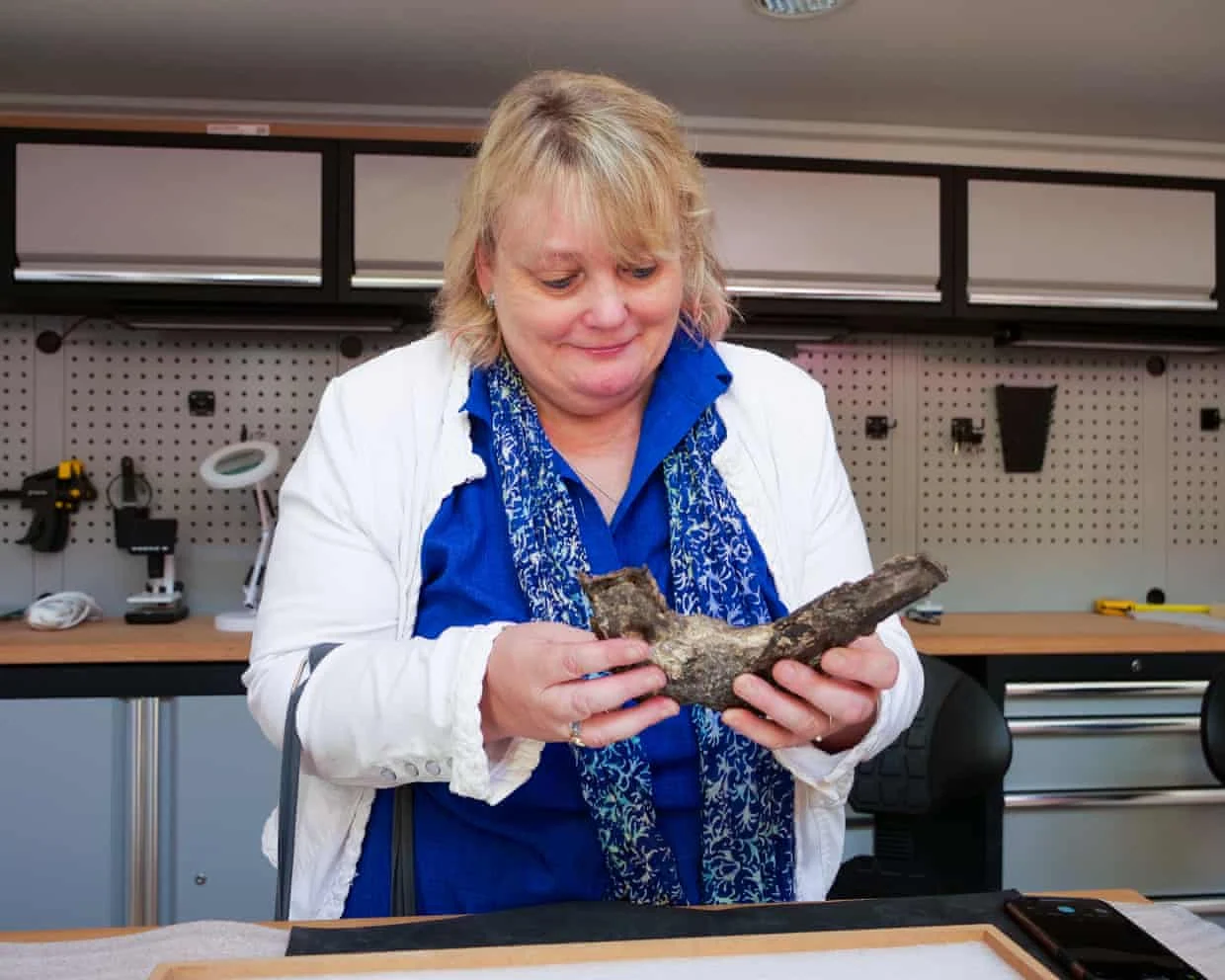
Fossilised red blood cells found in 115m-year-old dinosaur’s bone, say scientists
Scientists analysing a 115-million-year-old Aratasaurus fossil say they found structures resembling red blood cells. The small carnivorous dinosaur lived in what is now north-eastern Brazil.
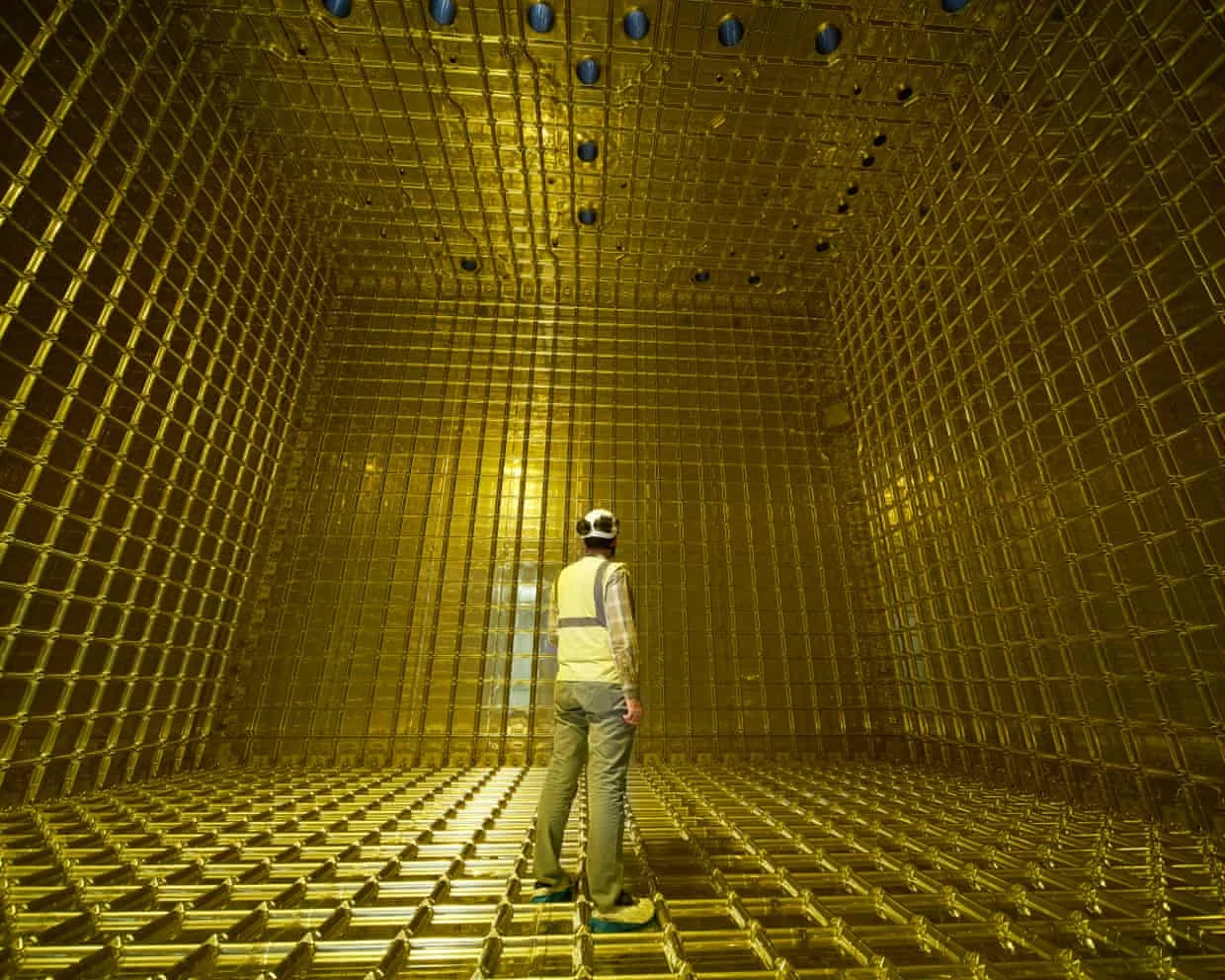
From gold rush to cosmic questions: a South Dakota mine and the search for the secrets of the universe
Scientists are preparing giant neutrino detectors inside the former Homestake mine in Lead, South Dakota. The Deep Underground Neutrino Experiment is being assembled roughly a mile below the Black Hills.
Most read this week
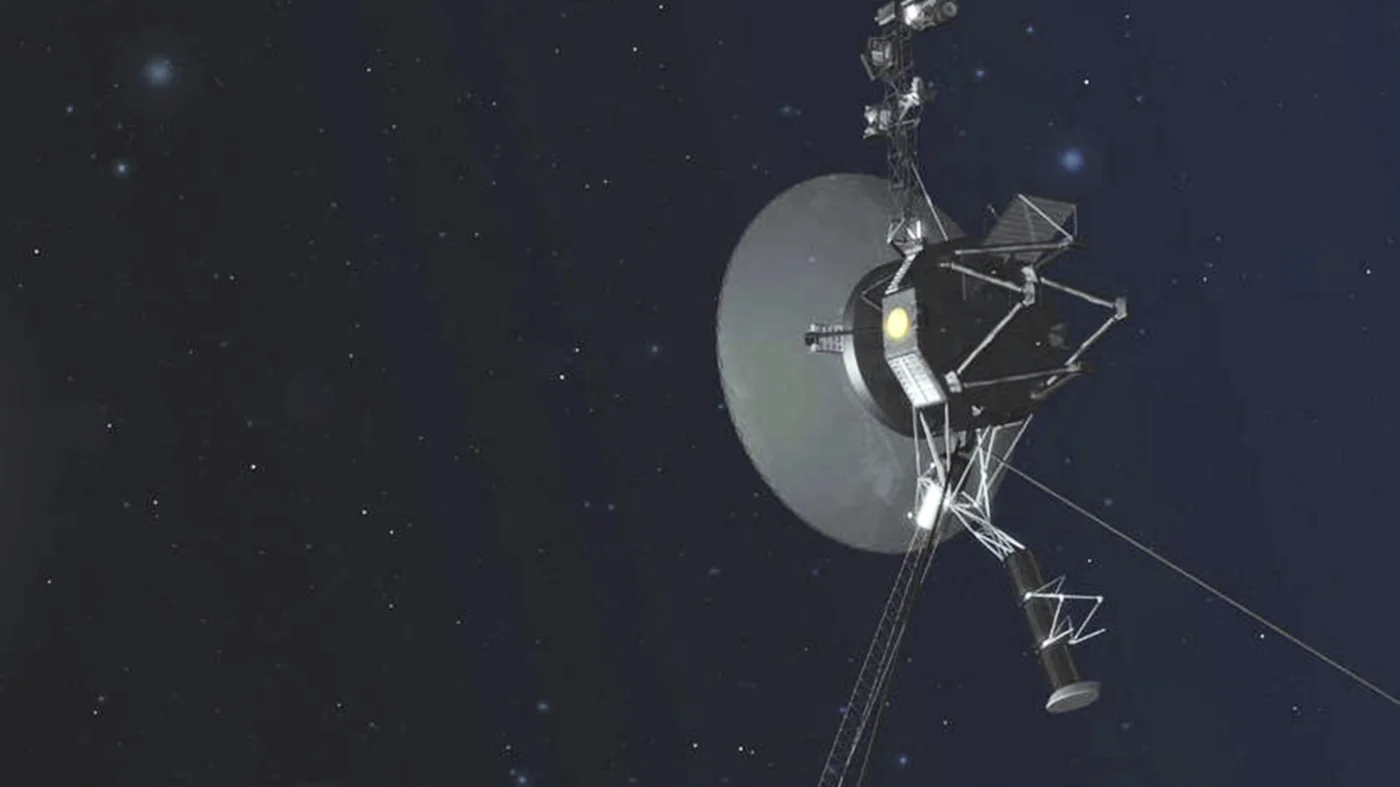
01Voyager 1 is now farther from Earth than any human-made object
 02
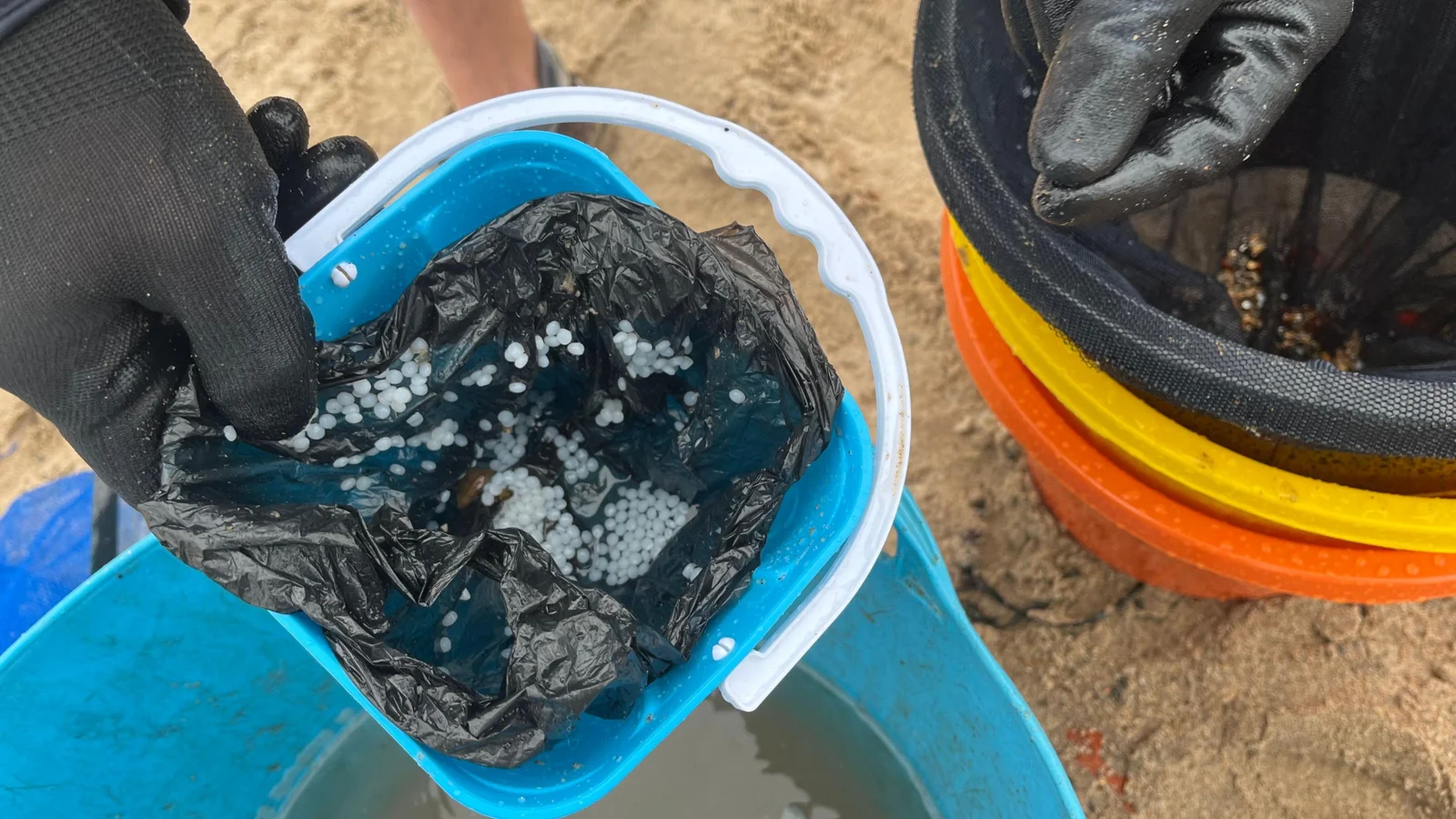
Nurdle impact to be researched for a year
 03
Significant drop in levels of toxic 'forever' chemicals in England's rivers
 04
Molecular signal in blood helps detect early risk for ovarian cancer, study finds
 05
Scientists predict 2026 hottest year on record as climate talks begin
All science stories
Voyager 1 is now farther from Earth than any human-made object
NPR revisits the spacecraft’s extraordinary distance, fading power and continuing scientific value as it travels beyond the planets and the reach of ordinary human communication.
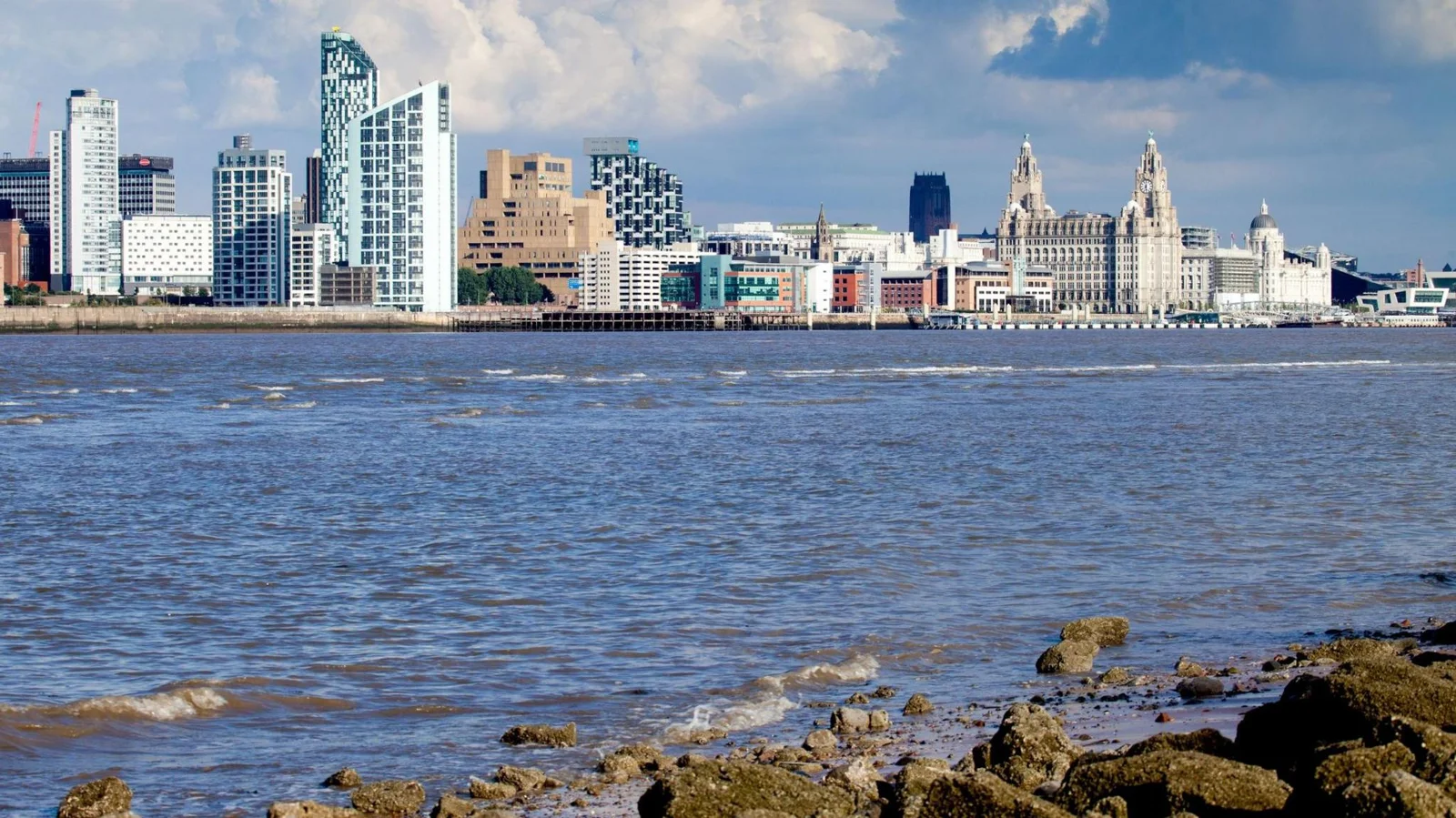
Nurdle impact to be researched for a year
Researchers will investigate the environmental consequences of a large nurdle spill in the River Tyne. The pellets entered the water after a collision between ships at the Port of Tyne on 19 July.
Significant drop in levels of toxic 'forever' chemicals in England's rivers
Environment Agency figures show that concentrations of PFOS and PFOA in England's rivers have fallen by almost a third over a decade. Researchers attribute the improvement to tighter restrictions on their use.
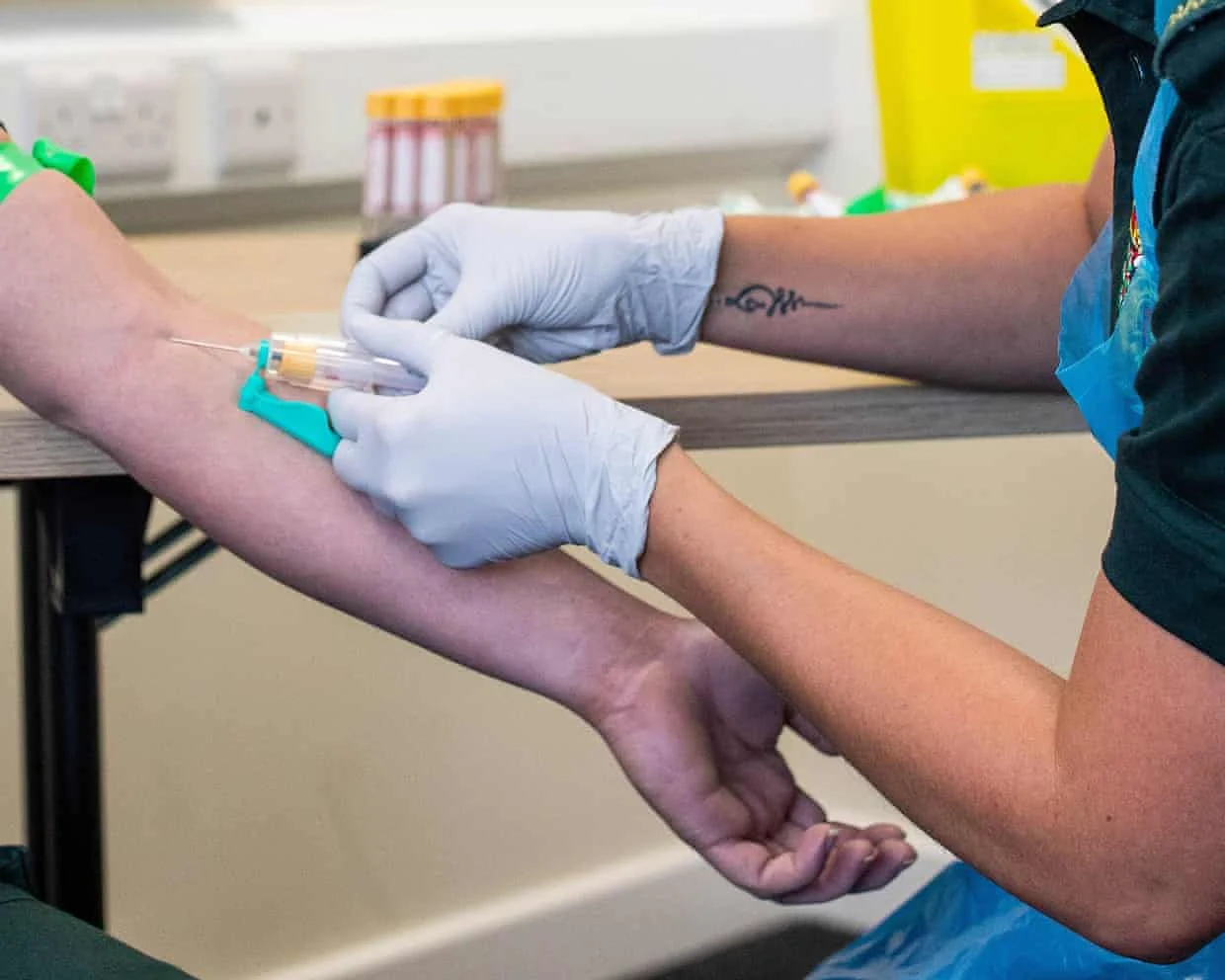
Molecular signal in blood helps detect early risk for ovarian cancer, study finds
Researchers have identified an RNA molecule associated with microscopic changes that can precede ovarian cancer. The findings, published in Nature Medicine, point to a possible route towards identifying risk earlier.
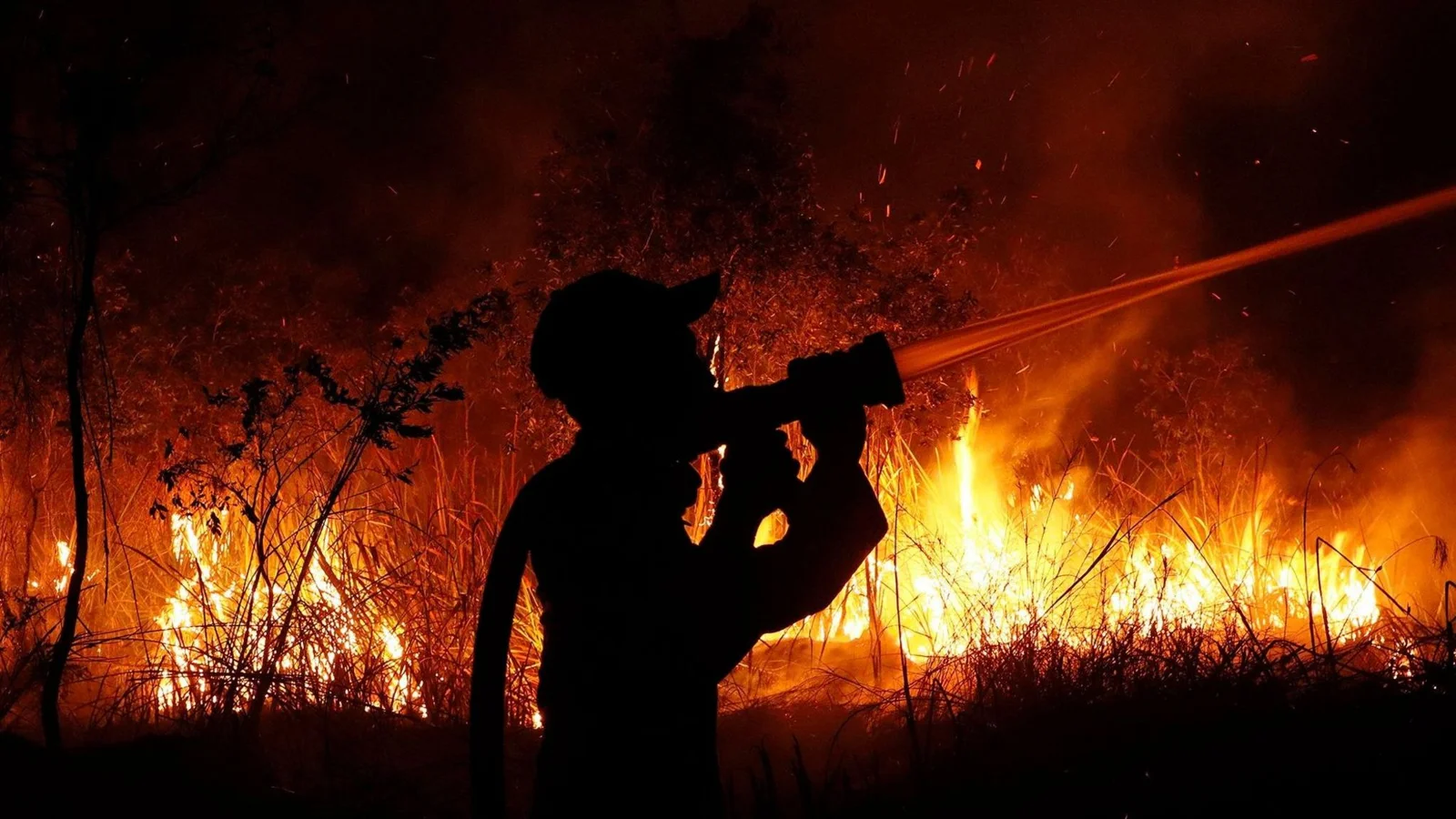
Scientists predict 2026 hottest year on record as climate talks begin
Berkeley Earth says 2026 is very likely to become the hottest year in the instrumental record. The research group told the BBC it was 95% confident the annual average would surpass the record set in 2024.
NASA is looking for astronauts to live and work on the Moon
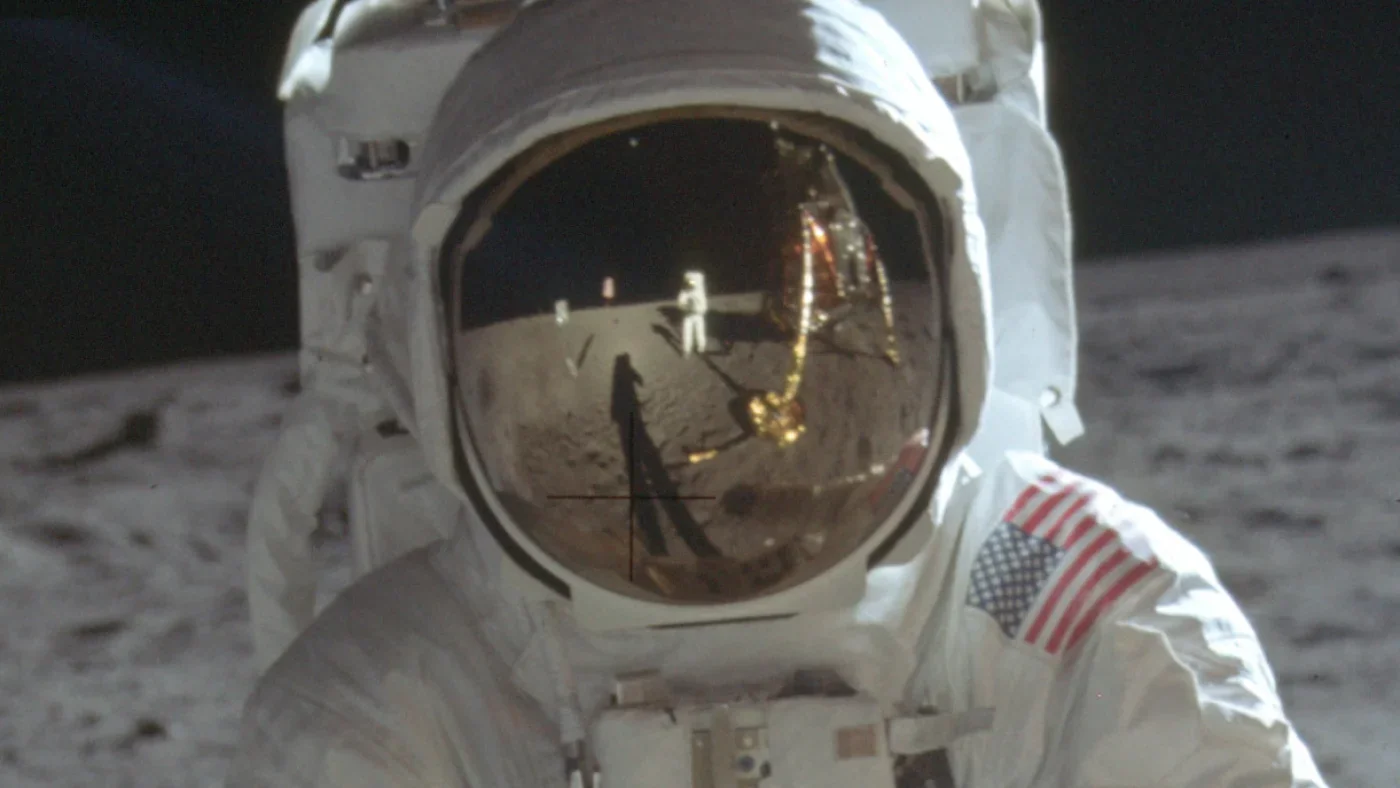
NASA is accepting applications for its astronaut corps, with future work expected to include testing spacecraft and living and working on the Moon. Administrator Jared Isaacman described teamwork, judgement and technical ability as essential qualities.
Want to have a better chat? Scientists say the secret is ‘pink noise’
Researchers at Dartmouth College have examined a pattern associated with enjoyable conversation: staying with a subject long enough to develop it while still introducing fresh ideas. They describe that balance using the concept of pink noise.
Fossilised red blood cells found in 115m-year-old dinosaur’s bone, say scientists
Scientists analysing a 115-million-year-old Aratasaurus fossil say they found structures resembling red blood cells. The small carnivorous dinosaur lived in what is now north-eastern Brazil.