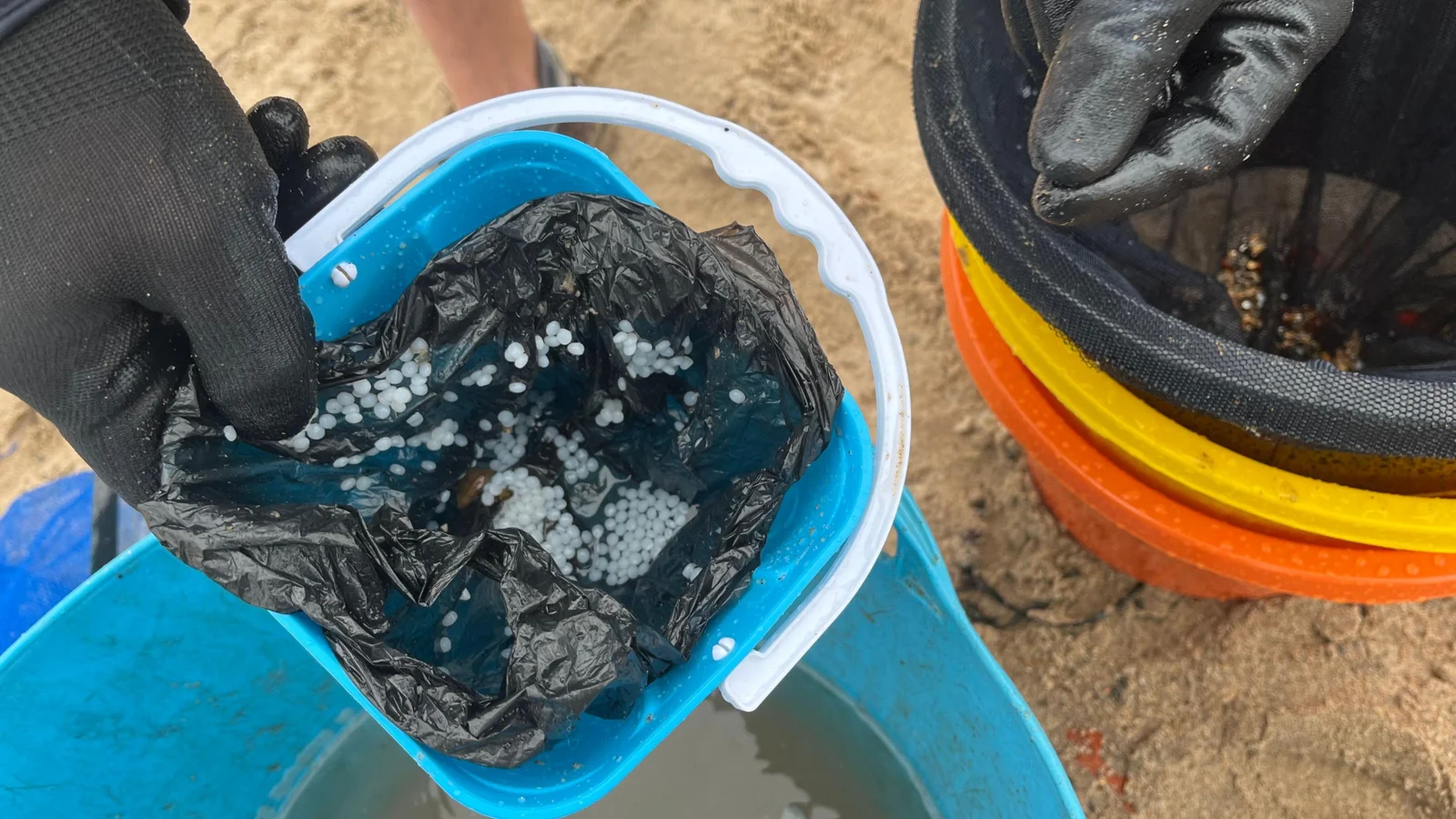
Environment Agency figures show that concentrations of PFOS and PFOA in England's rivers have fallen by almost a third over a decade. Researchers attribute the improvement to tighter restrictions on their use. BBC News
Key facts
PFAS are a broad group of persistent chemicals; the article reports lower measured river concentrations in England, rather than proof that all accumulated pollution has disappeared. BBC News
The Environment Agency cautioned that the total quantity of the chemicals in the environment may have remained broadly unchanged. BBC News
IARC classifies PFOA as carcinogenic to humans and PFOS as possibly carcinogenic to humans; the two classifications should not be conflated. BBC News
River concentrations fall after restrictions
Concentrations of two heavily restricted PFAS chemicals have fallen by almost a third in England's rivers over a decade, according to Environment Agency figures reported by the BBC. PFOS levels declined by 30% and PFOA by 29%, a result linked to tighter controls on their use.
The figures show a measurable response to regulation, but they describe concentrations in sampled rivers. They do not mean that a third of all persistent chemicals has been destroyed or removed from the wider environment.
Why these chemicals were so widely used
PFAS are valued for properties including resistance to water, oil and heat. Their applications have ranged from surface coatings and manufacturing to firefighting foams and electrical equipment. Those useful characteristics are closely connected to the persistence that makes contamination difficult to manage.
PFOS was largely banned in the UK in 2010 and PFOA in 2020. The new figures therefore track a period in which restrictions on production and use were expected to reduce fresh releases into rivers. Reporting context: BBC News
A lower concentration is not disappearance
The Environment Agency acknowledged that the total quantity in the environment may have remained broadly unchanged. Persistent material can be diluted or carried from rivers into the sea without breaking down.
This changes how progress should be interpreted. A lower river reading is valuable evidence, but it cannot alone establish the fate of historic pollution in sediments, landfills, industrial sites or coastal waters. The BBC identifies old landfill and industrial locations as important sources of continuing contamination.
The health evidence is not identical for every PFAS
The International Agency for Research on Cancer classifies PFOA as carcinogenic to humans and PFOS as possibly carcinogenic to humans. The classifications reflect different bodies of evidence and should not be presented as the same finding for both chemicals.
A hazard classification identifies a substance's capacity to cause harm. It does not supply a person's risk from a particular river sample, which would also depend on exposure and other circumstances.
Thousands of compounds complicate regulation
The BBC report describes around 15,000 PFAS, with roughly 200 frequently used. The regulator is now routinely testing for 60 additional compounds to improve its picture of contamination, and the government has announced monitoring in people's bodies. Reporting context: BBC News
The Environment Agency argues that the findings strengthen the case for treating PFAS as a group. Industry representatives oppose blanket restrictions, pointing to uncertainty about individual compounds and applications such as medical equipment where alternatives can be limited.
What the decline can teach policymakers
Environmental forensics researcher David Megson welcomed the reduction while arguing that much work remains, including investigating responsibility for pollution. Destroying PFAS is technically demanding; the BBC notes that only two suitable high-temperature incineration sites currently operate in the country.
The result supports the proposition that controls can reduce river contamination from specific substances. The harder next step is dealing with historic releases and substitute compounds without mistaking movement through the environment for a permanent solution.
Sources and editorial notes
This article compiles the linked reporting. Allegations, projections and research findings retain their original qualifications; this page does not represent independent field reporting or expert medical review.
- BBC News (reporting)
- IARC: PFOA and PFOS hazard classifications (primary)
November 17, 2026: Replaced repeated summary and FAQ templates, added source attribution and image description, and clarified the distinction between source publication and site edits. This editorial update is not an independent fact-check certification.