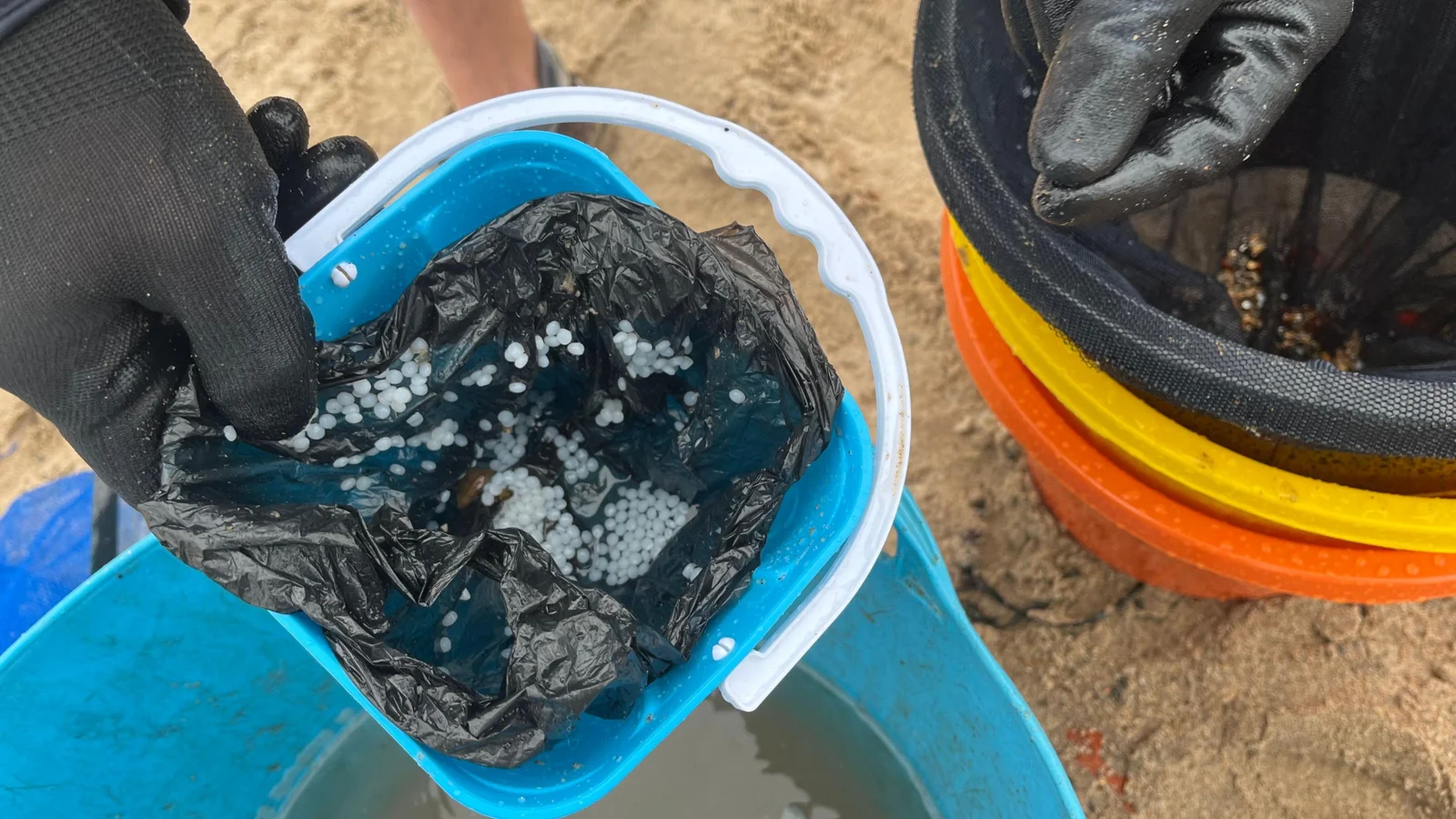
Researchers will investigate the environmental consequences of a large nurdle spill in the River Tyne. The pellets entered the water after a collision between ships at the Port of Tyne on 19 July. BBC News
Key facts
The research team's Tyne Nurdles project estimates that 17.9 tonnes were released at the Port of Tyne. BBC News
North East England Beached Bird Surveys coordinator Dan Turner is leading examinations of dead seabirds at the Dove Marine Laboratory in Cullercoats. BBC News
The project will study how the pellets break down, acquire biological coatings and accumulate metals. BBC News
A year-long investigation follows the Tyne spill
The BBC reports that researchers will spend the next year examining the environmental effects of plastic pellets spilled into the River Tyne after a ship collision on 19 July. Newcastle University received £81,905 from the Natural Environment Research Council for work involving the University of Liverpool, regional organisations and volunteers.
The pellets, known as nurdles, have washed onto beaches across Tyneside, Wearside and Teesside. The project combines the search for their physical route with investigations into whether seabirds and other wildlife are ingesting them.
What was released into the river
The research team's Tyne Nurdles project estimates that 17.9 tonnes were released at the Port of Tyne. Plastic pellets are small enough to move with water and lodge among vegetation, mudflats and saltmarsh, where removing them can disturb the habitat itself.
A known release date and source give researchers a rare opportunity to follow one pollution incident over time. They can compare where pellets were initially found with places where tides and floods subsequently carry them.
The river can move pollution upstream too
The project will measure movement on both the flood and ebb tides. That matters because an estuary does not simply carry everything straight out to sea: incoming tides can move floating material upstream, while local conditions determine where it settles or becomes trapped.
Three-dimensional river modelling will be used alongside observations to investigate those patterns. The work should identify locations that may store pellets temporarily and release them again later, creating a longer-lived problem than the first visible wave on beaches.
Looking inside seabirds
North East England Beached Bird Surveys coordinator Dan Turner is leading examinations of dead seabirds at the Dove Marine Laboratory in Cullercoats. Researchers have been rinsing stomachs to look for pellets that birds might mistake for food.
Turner told the BBC that the checks had not yet found plastic in the stomachs examined, although pellets had been seen in regurgitated material. These are distinct observations: evidence that a bird encountered plastic does not by itself establish the cause of its death.
What changes as pellets weather
The project will study how the pellets break down, acquire biological coatings and accumulate metals. Fragmentation can make pollution harder to recover, while material caught in sensitive habitats presents difficult choices for cleanup teams.
The concern is wider than visible litter. Researchers want to understand the potential effects on animals and food webs, including the risk of ingested plastic occupying space that would otherwise contain food. Those are questions for the study, rather than completed findings from every affected species.
Reports from the coast extend the search
Pellets have also been reported in Denmark, but scientists still need to establish whether they came from the Tyne incident. Newcastle geochemist Geoffrey Abbott said the team hoped to investigate that connection; distance alone cannot identify the source.
Members of the public are being asked to submit photographs and observations. When a report includes a place and time, it can help map the spread and direct fieldwork, turning beach and riverside sightings into evidence for a coordinated recovery effort.
Sources and editorial notes
This article compiles the linked reporting. Allegations, projections and research findings retain their original qualifications; this page does not represent independent field reporting or expert medical review.
- BBC News (reporting)
- Tyne Nurdles project (reporting)
November 17, 2026: Replaced repeated summary and FAQ templates, added source attribution and image description, and clarified the distinction between source publication and site edits. This editorial update is not an independent fact-check certification.