Berkeley Earth says 2026 is very likely to become the hottest year in the instrumental record. The research group told the BBC it was 95% confident the annual average would surpass the record set in 2024. BBC News
Key facts
Cutting emissions limits the amount of further warming, while adaptation helps communities cope with changes already under way. BBC News
Turkey wants COP31 discussions to advance electrification: replacing fossil-fuel use with electricity across more of the economy. BBC News
Previous negotiations established a goal of at least $85 billion a year in adaptation finance by 2035, but the latest figures cited in the BBC report show that funding remains well below that level. BBC News
A record forecast arrives as climate talks open
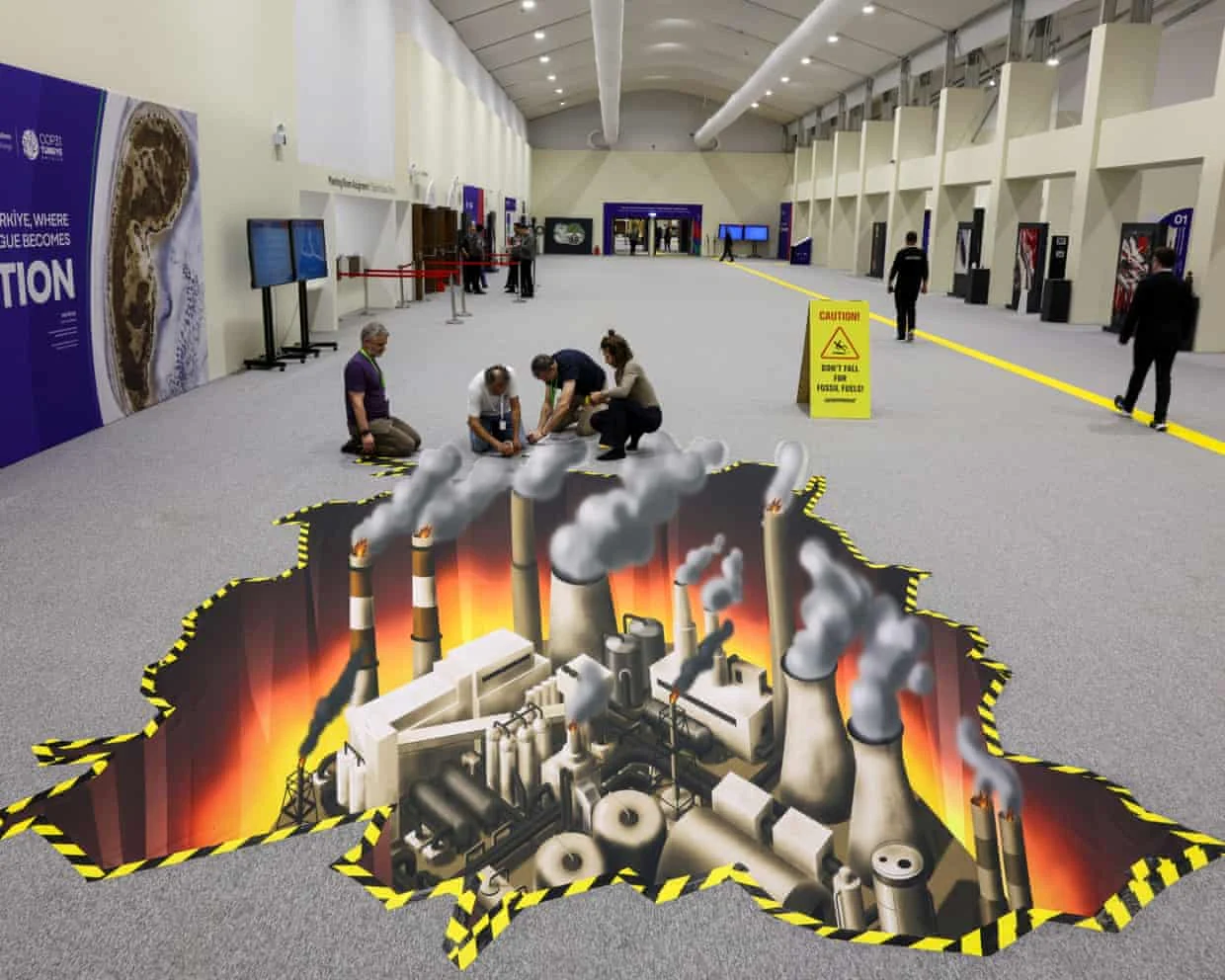
Scientists expect 2026 to become the hottest year recorded globally, adding urgency to the COP31 negotiations in Antalya, Turkey. Berkeley Earth told the BBC it was 95% confident that the year would surpass the previous record, set in 2024, even with two months still to be incorporated into the annual result.
That probability is a forecast, rather than a completed annual measurement. The World Meteorological Organization used more cautious language, placing 2026 among the four warmest years while warning that the heat would continue into 2027. Copernicus, using its own dataset and statistical model, considered second place most likely, with about a 20% chance of matching or exceeding 2024. The organisations agree on exceptional heat while assigning different probabilities to the final ranking. Reporting context: BBC News
Two sources of warming overlap
The long-term rise is driven primarily by greenhouse gases, especially carbon dioxide released through fossil fuel use. A strong El Niño is adding to that background warming by releasing heat from the ocean into the atmosphere.
El Niño does not create a new store of energy for the planet. As WMO secretary-general Celeste Saulo explained in the BBC report, it redistributes heat from oceans that are already exceptionally warm. The two processes therefore operate on different timescales while influencing the same annual temperature record.
October reinforces the direction of travel
The Copernicus Climate Change Service reported the warmest October in its record. The monthly result is part of the evidence behind expectations for the year as a whole.
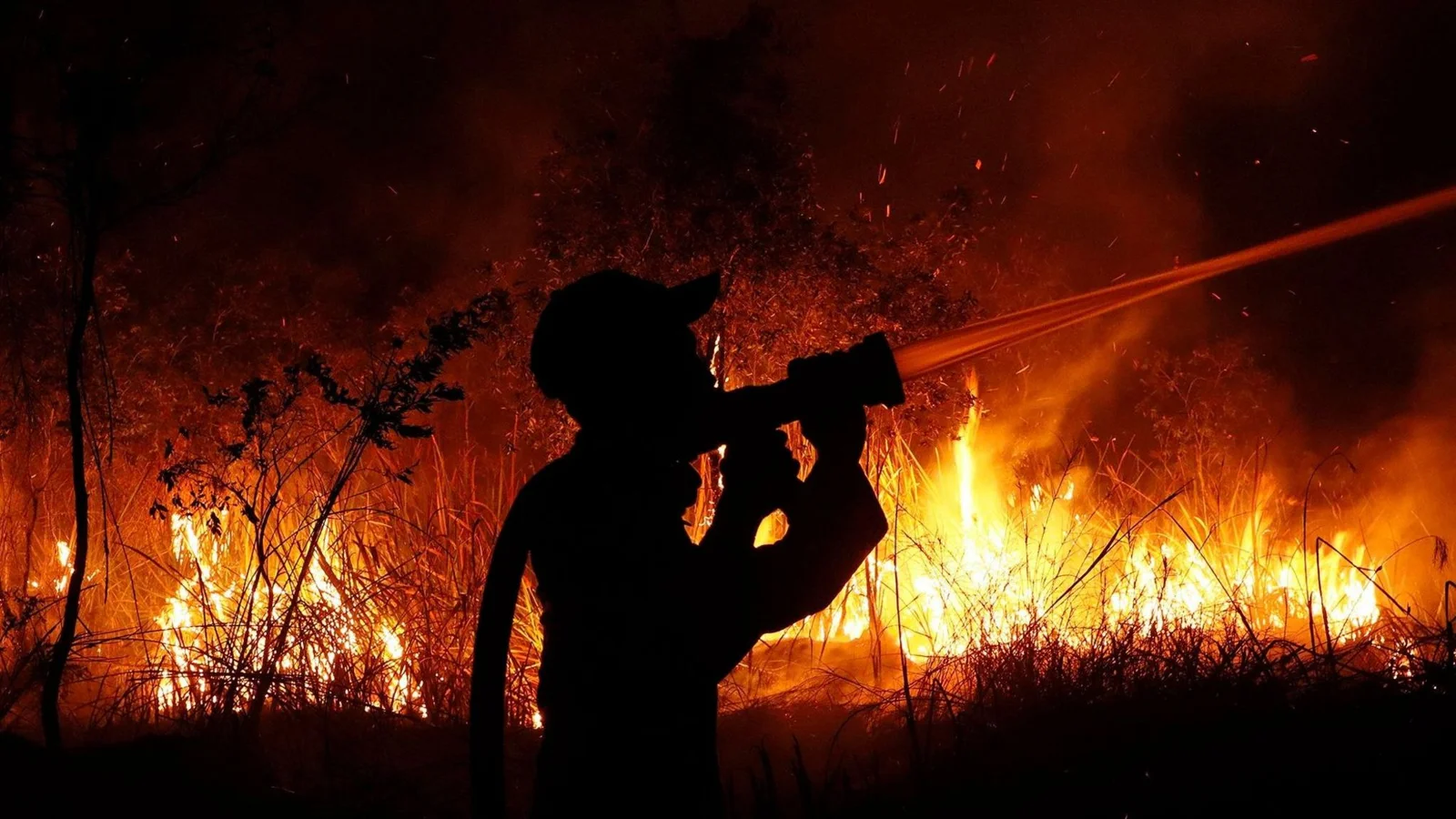
Recent impacts have included extensive European wildfires and a deadly glacier collapse in Nepal, highlighted in the BBC's reporting. Attribution for a particular disaster requires its own analysis; the global temperature result describes the wider conditions in which damaging events are occurring.
Copernicus: October 2026 climate bulletin
Related coverage: NASA images show Puncak Jaya ice reduced to scattered remnants.
Cutting emissions and adapting together
The negotiations now have to address two demands at once. Cutting emissions limits the amount of further warming, while adaptation helps communities cope with changes already under way. Buildings, transport, health services and food supply systems were largely designed around a cooler climate.
Met Office chief scientist Stephen Belcher told the BBC that planning assumptions based on the twentieth century are increasingly inadequate. That puts practical resilience measures alongside the international debate about future emissions targets.
Electrification brings an energy question
Turkey wants COP31 discussions to advance electrification: replacing fossil-fuel use with electricity across more of the economy. The climate benefit depends on how the power is generated. An electric system supplied increasingly by renewables has a different emissions trajectory from one that expands fossil generation to meet new demand. Reporting context: BBC News
The International Energy Agency expects renewable capacity growth to accelerate, according to the report. At the same time, negotiators remain divided over fossil-fuel phase-out and the role that some countries want gas to retain during the transition.
Finance determines what can be delivered
Developing countries need support for both cleaner infrastructure and adaptation. Previous negotiations established a goal of at least $85 billion a year in adaptation finance by 2035, but the latest figures cited in the BBC report show that funding remains well below that level. Reporting context: BBC News
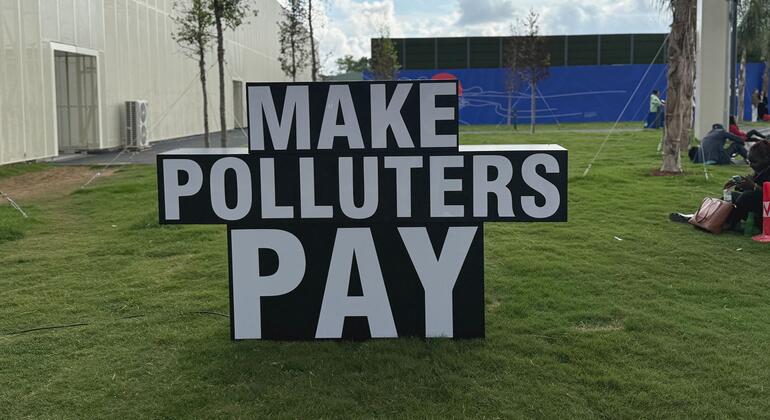
COP31 cannot alter the temperatures already measured this year. Its decisions can affect the investment, emissions and resilience that shape future years, making implementation and finance as consequential as the final wording of new commitments. Reporting context: BBC News
Questions readers ask
Was the final 2026 annual temperature already known when this story was reported?
No. Berkeley Earth’s 95% confidence statement was a forecast made before all months were included. It must be distinguished from a completed annual measurement. BBC News
Sources and editorial notes
This article compiles the linked reporting. Allegations, projections and research findings retain their original qualifications; this page does not represent independent field reporting or expert medical review.
- BBC News (reporting)
- Copernicus: October 2026 climate bulletin (primary)
November 17, 2026: Replaced repeated summary and FAQ templates, added source attribution and image description, and clarified the distinction between source publication and site edits. This editorial update is not an independent fact-check certification.