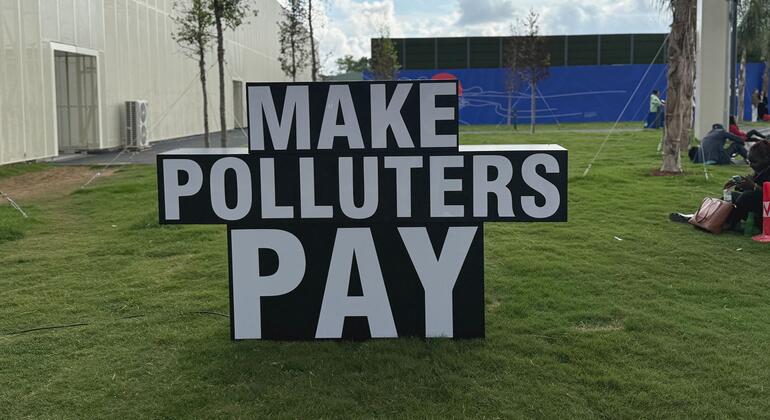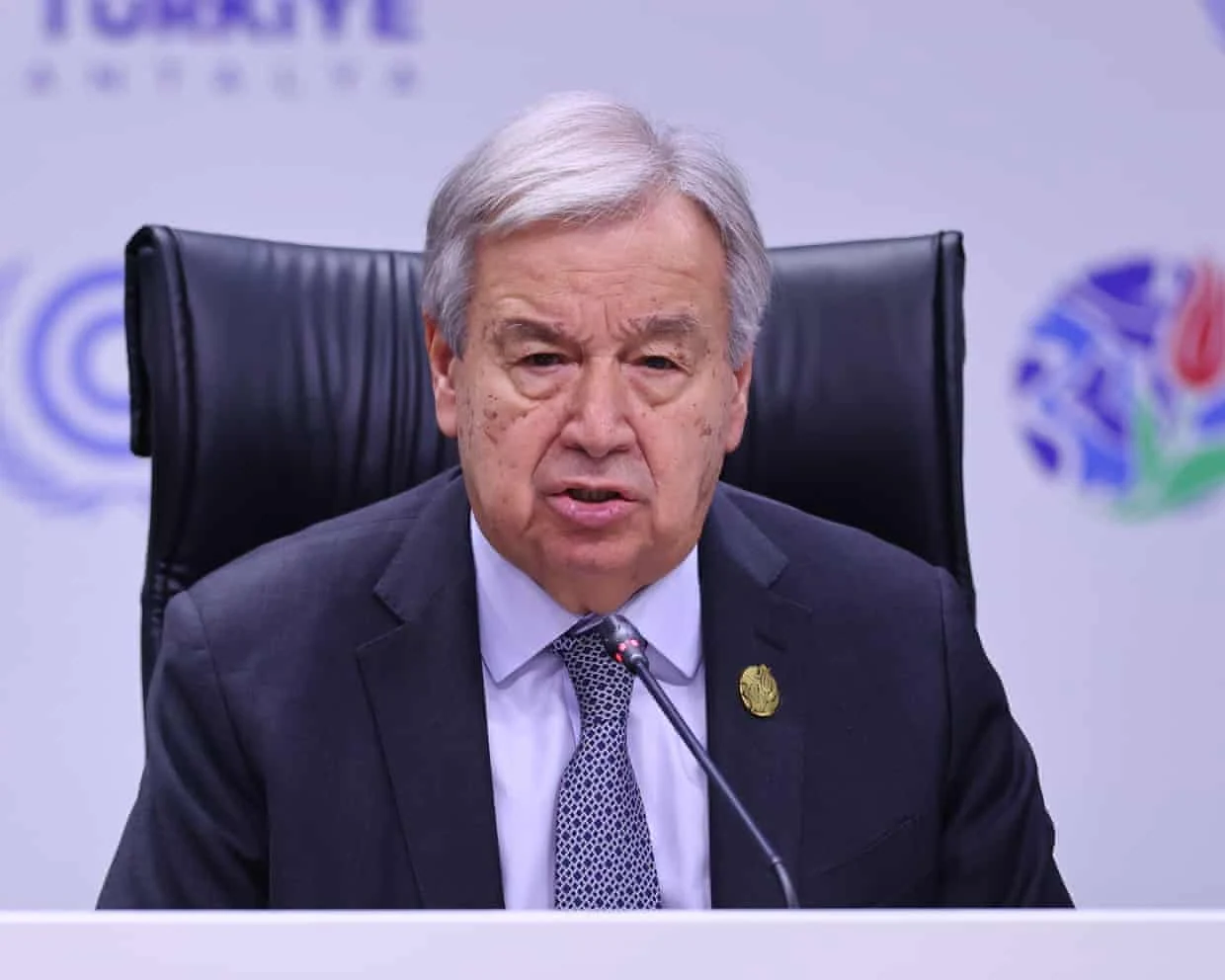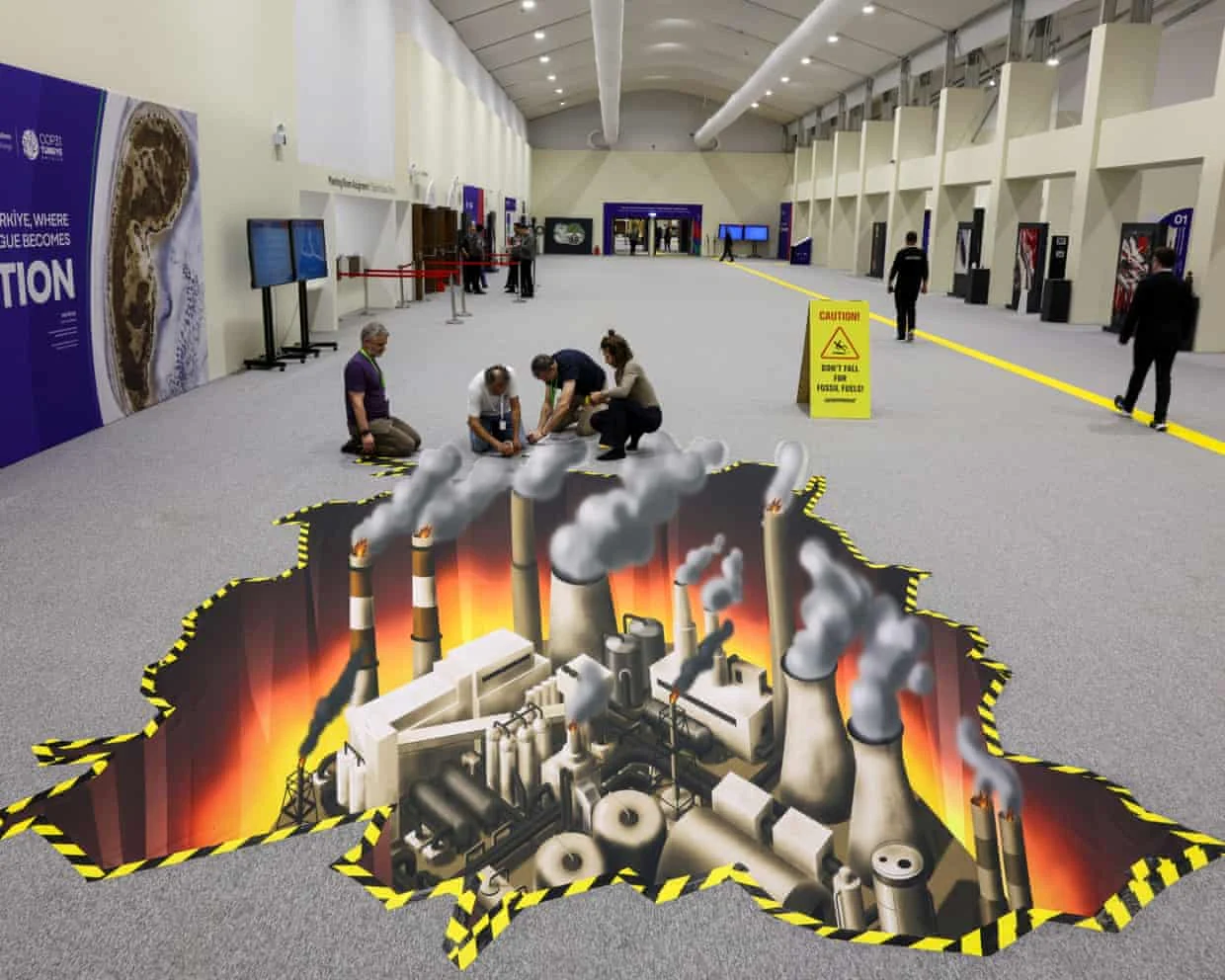
Negotiators in Turkey are divided over what the summit should promise, how to record progress and whether carbon removal belongs in the final climate text. The Guardian
Key facts
COP31’s second week in Antalya focuses on the final political package, including the disputed use of a cover decision. The Guardian
The Arab Group, Russia and the Like-Minded Developing Countries oppose a cover decision; supporters see it as a way to gather cross-cutting climate issues. The Guardian
Carbon removal and climate finance remain subjects of negotiation, rather than agreed outcomes. The Guardian
The talks move from speeches to bargaining
COP31 in Antalya has entered its second week, when broad statements about ambition give way to arguments over wording, finance and implementation. The Guardian live report describes divisions over the summit’s final political package and the shape of a possible cover decision. The disagreement is procedural, but the procedure determines which commitments are visible and how they can be followed up.
A cover decision has become a fault line
Cover decisions have traditionally gathered political issues that do not fit neatly into technical negotiating tracks such as emissions cuts or finance. Some countries, including the Arab Group, Russia and the Like-Minded Developing Countries, oppose a cover decision this year and question its legal basis. Supporters argue that it is a practical way to record progress on oceans, food, health and new science without reopening every work programme.
The absence of the US changes the diplomacy
The live reporting presents the dispute partly through the absence of the United States from the negotiations. Previous US administrations sometimes helped broker compromises with fossil-fuel-producing countries. Without that role, other governments have to find their own channels for bridging disagreements. The absence does not make agreement impossible, but it changes who can spend political capital on language that all parties can accept.
Carbon removal seeks a place in the text
A group of carbon-dioxide-removal advocates is pushing for recognition at COP31. The approaches include capturing carbon from the air and storing it underground, in oceans or in products. The technology may help address residual emissions, but its inclusion raises questions about cost, measurement, permanence and whether it becomes an excuse to delay emissions cuts. A reference in a summit document would not prove that any particular project is safe or effective. Reporting context: The Guardian
Finance remains the practical measure
Developing countries are looking for support for clean infrastructure and adaptation, not only targets for distant emissions reductions. Negotiators therefore judge the summit by money, access to technology and the ability to implement plans. A text can state ambitious goals while leaving delivery vague. The arguments over structure matter because a clear decision can create accountability, whereas a broad declaration may be easier to celebrate and harder to enforce.
Reporting context: The Guardian
Related coverage: COP31 climate finance talks expose a widening shortfall.
Compromise is the final test
UN climate chief Simon Stiell has called for flexibility, saying collective success requires compromise from every party. The remaining days will show whether governments can trade language and finance commitments without weakening the core objective. The live blog records an evolving negotiation rather than a settled outcome. Readers should treat promises announced before the closing text as positions in the bargaining process, not as final policy.
Sources and editorial notes
This article compiles the linked reporting. Allegations, projections and research findings retain their original qualifications; this page does not represent independent field reporting or expert medical review.
- The Guardian (reporting)
November 17, 2026: Replaced repeated summary and FAQ templates, added source attribution and image description, and clarified the distinction between source publication and site edits. This editorial update is not an independent fact-check certification.