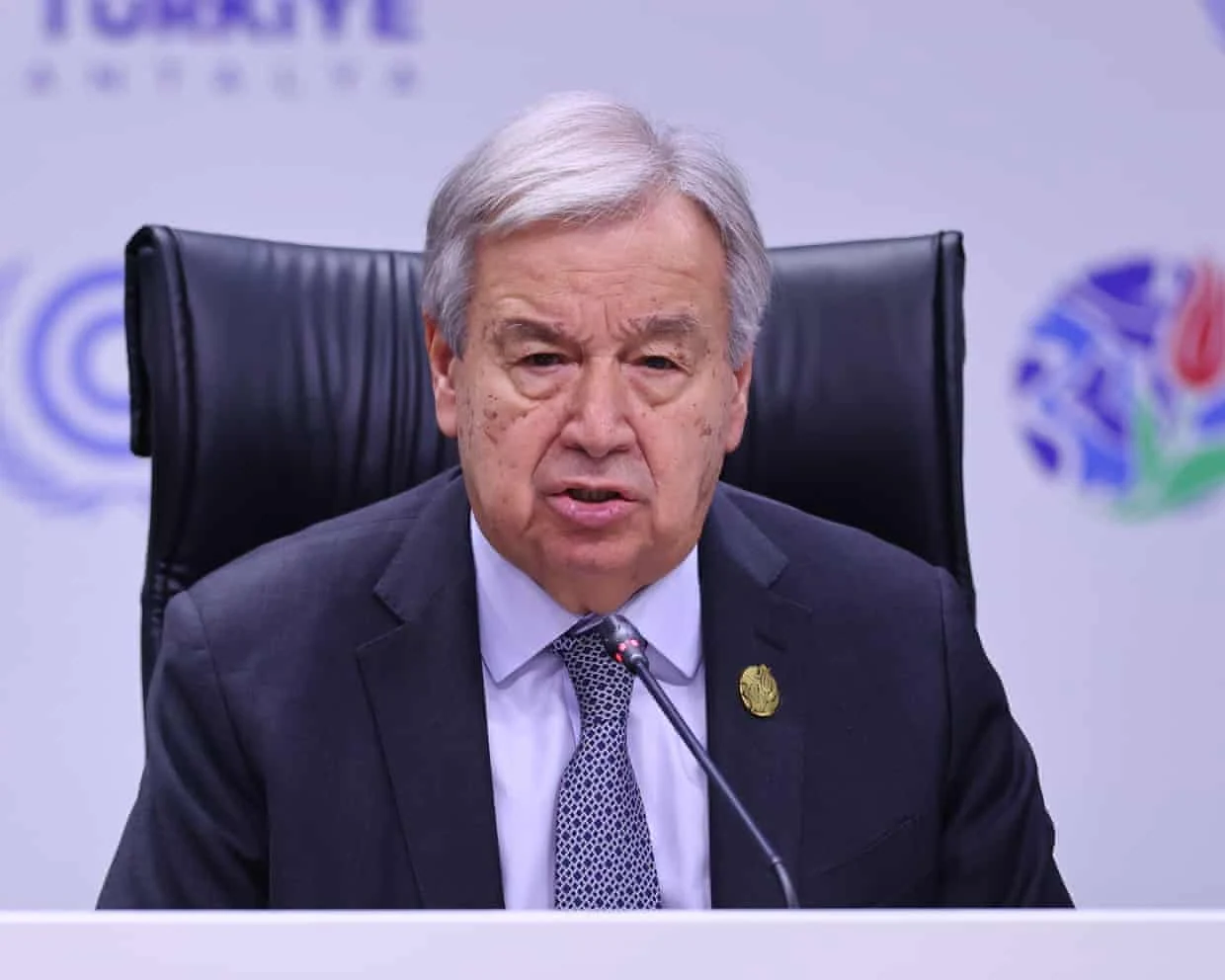
UN secretary-general Antonio Guterres Photograph: Tolga Akmen/EPA
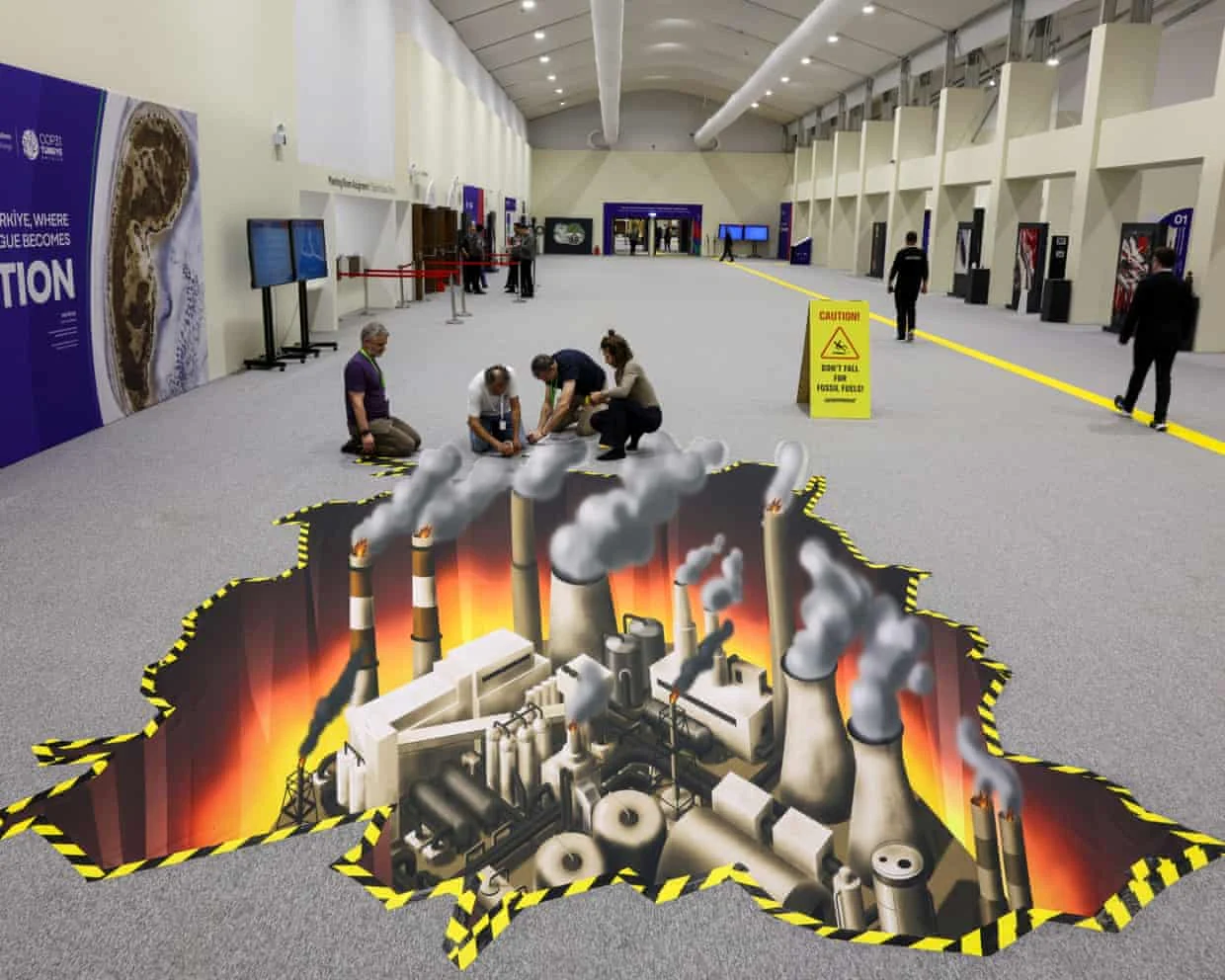
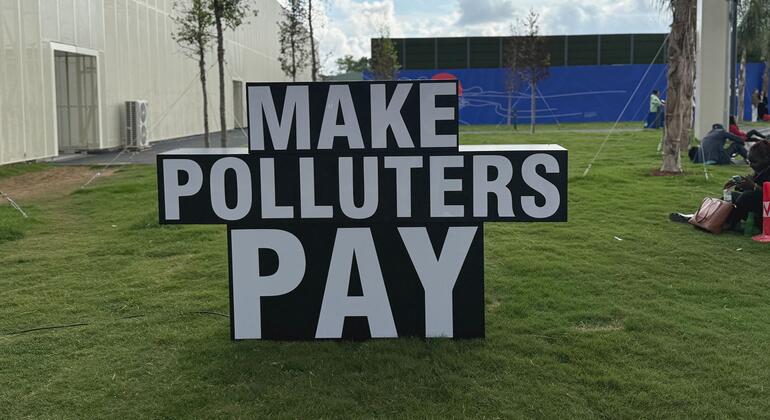
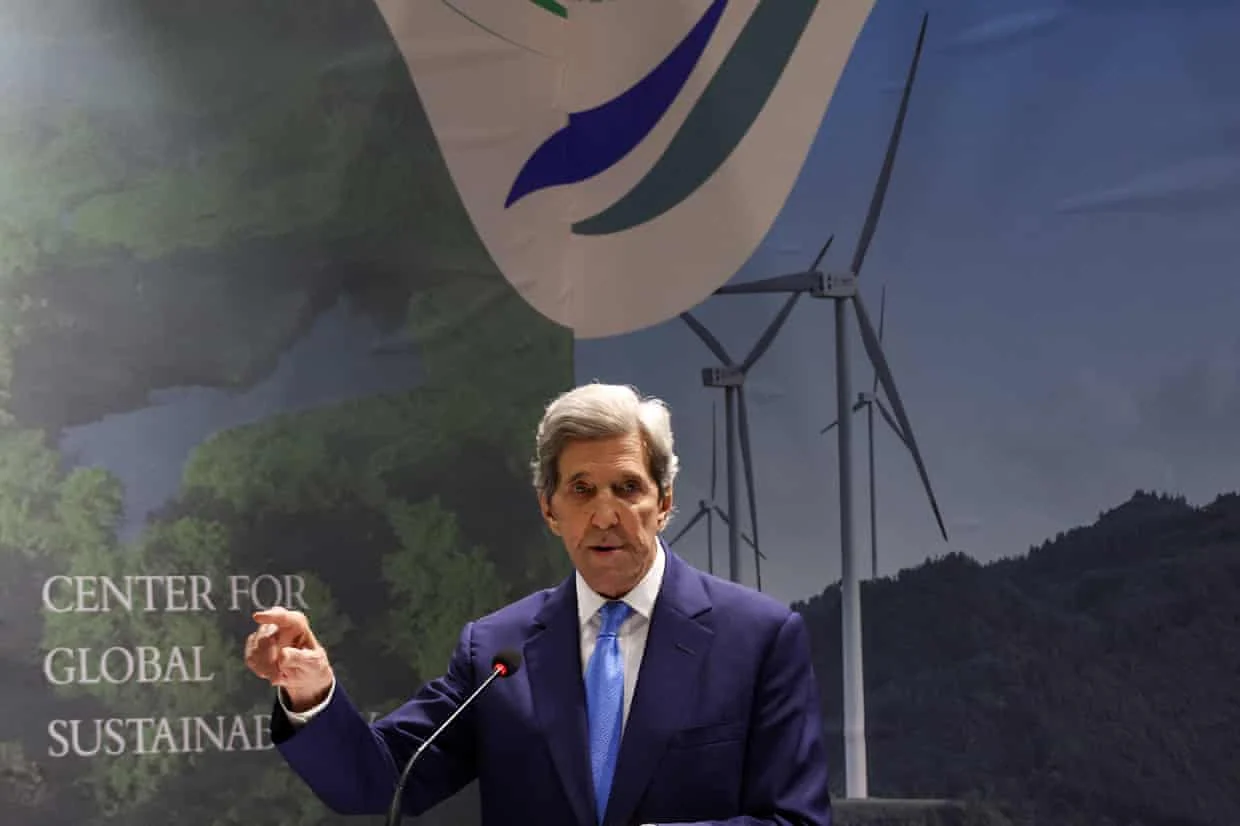
As most visiting world leaders leave Antalya, climate negotiators are turning to the text of potential agreements. The Guardian's fifth-day coverage identifies fossil-fuel transition, electrification and finance as central areas of discussion. The Guardian
Key facts
The key subjects include the implications of exceeding 1.5C, recognition of climate science, the transition away from fossil fuels, electrification and finance. The Guardian
Increasing the share of electricity in energy use is a prominent theme, linking transport, buildings and industry with the expansion of renewable generation. The Guardian
Under the geographical rotation for the UN climate process, an Asian country is due to host that meeting, but no final alternative was expected to be chosen at COP31. The Guardian
COP31 moves from speeches to bargaining
Negotiators at COP31 in Antalya are moving into detailed discussions after most of the more than 90 visiting world leaders departed. The Guardian's live reporting on the fifth day of the summit describes an approaching first draft of the conference's overarching decision, while stressing that the text had not yet been agreed.
That document will show which political priorities can survive the negotiating process. A collection of proposals and speeches becomes consequential only when countries settle on language they are willing to support and implement.
Related coverage: COP31 enters a difficult second week as countries argue over the final deal.
The wording to watch
The key subjects include the implications of exceeding 1.5C, recognition of climate science, the transition away from fossil fuels, electrification and finance. The Guardian reported that a draft could emerge soon, but that the weekend or Monday remained more likely. Reporting context: The Guardian
A proposed phrase is not a commitment, and a commitment is not yet a delivered outcome. Tracking those stages is particularly important during a live summit, where statements of ambition can circulate before negotiators have tested them against the positions of other governments.
Electrification connects several arguments
Increasing the share of electricity in energy use is a prominent theme, linking transport, buildings and industry with the expansion of renewable generation. It also raises questions about investment in grids and the source of the additional power.
The debate is therefore broader than installing more equipment. Countries have different starting points, available resources and financing costs, and the text must connect a common objective with the practical means of achieving it across those conditions.
China's industrial position shapes expectations
The Guardian reported that China has ruled out hosting COP33 in 2028. Under the geographical rotation for the UN climate process, an Asian country is due to host that meeting, but no final alternative was expected to be chosen at COP31. Reporting context: The Guardian
The decision attracted attention because China combines the world's largest emissions with a leading role in clean technology manufacturing and deployment. The report describes renewable capacity overtaking coal capacity and strong electric-vehicle sales, illustrating why other governments had seen a Chinese summit as potentially significant.
The search for the next host remains open
India had also withdrawn an early-stage proposal. Uzbekistan, Thailand, Korea and Indonesia were among the potential contenders mentioned in the reporting, with more time needed for bids to develop. Next year's summit is due to be held in Ethiopia.
Hosting is not simply a venue decision. The presidency organises the diplomatic process and helps set priorities, although it still needs agreement from participating countries. Speculation about a host should therefore be distinguished from a formal selection.
Security concerns enter the climate discussion
The Guardian also reported on a UK assessment connecting ecosystem collapse with risks such as food shortages, migration and international instability. A redacted version had been released, while the full report remained unpublished.
The UK announced former intelligence committee head Madeleine Alessandri as a climate-security adviser. That appointment puts another institution into the climate policy discussion, but it does not resolve the dispute over transparency. Alongside finance and emissions, the summit is exposing how governments understand the wider consequences of environmental disruption.
Sources and editorial notes
This article compiles the linked reporting. Allegations, projections and research findings retain their original qualifications; this page does not represent independent field reporting or expert medical review.
- The Guardian (reporting)
November 17, 2026: Replaced repeated summary and FAQ templates, added source attribution and image description, and clarified the distinction between source publication and site edits. This editorial update is not an independent fact-check certification.