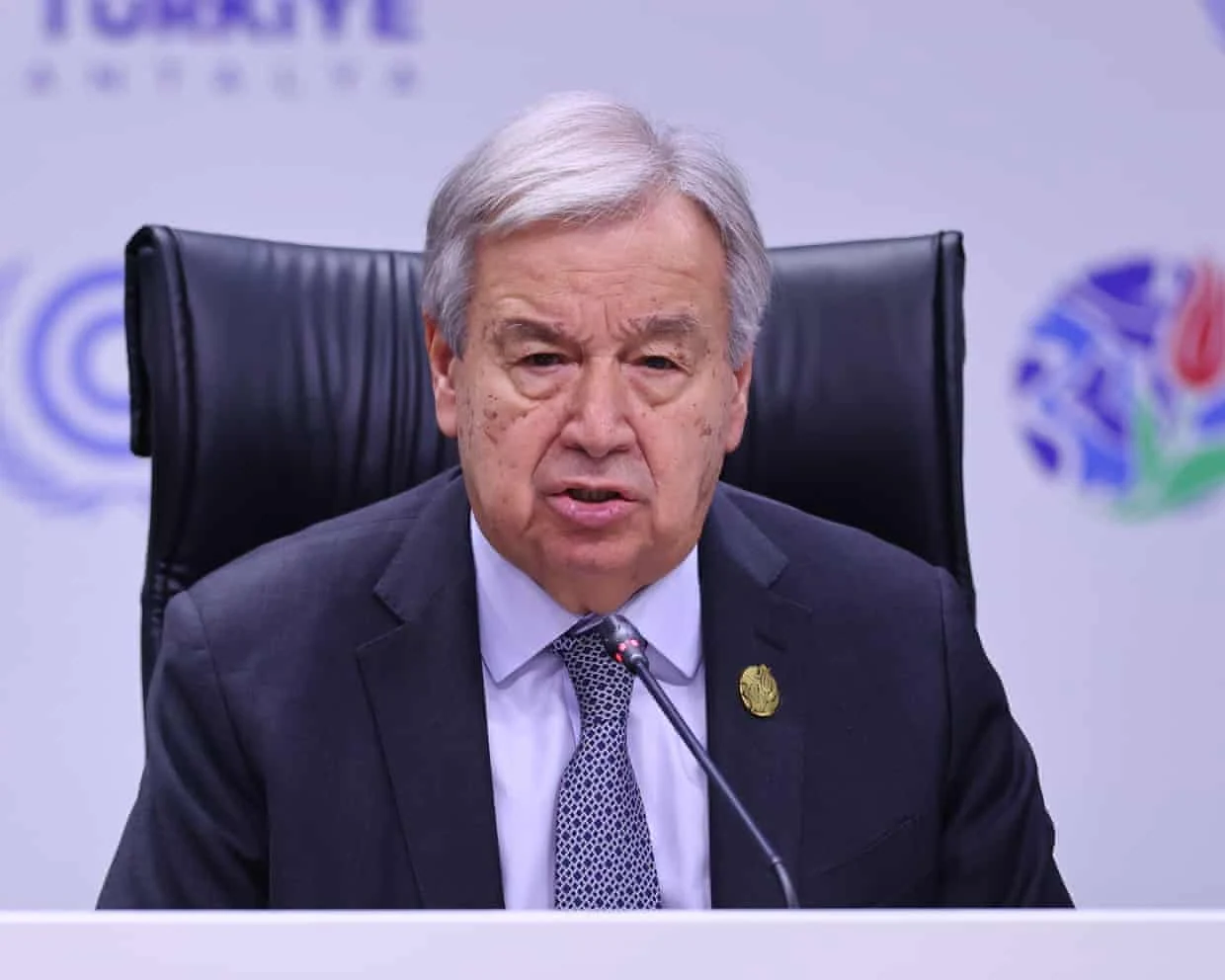
UN Secretary-General António Guterres said even tripling adaptation finance would cover less than a third of vulnerable countries’ needs as negotiations continued in Antalya. UN News
Key facts
António Guterres said that even tripling adaptation finance would meet less than 30 percent of what vulnerable countries need. UN News
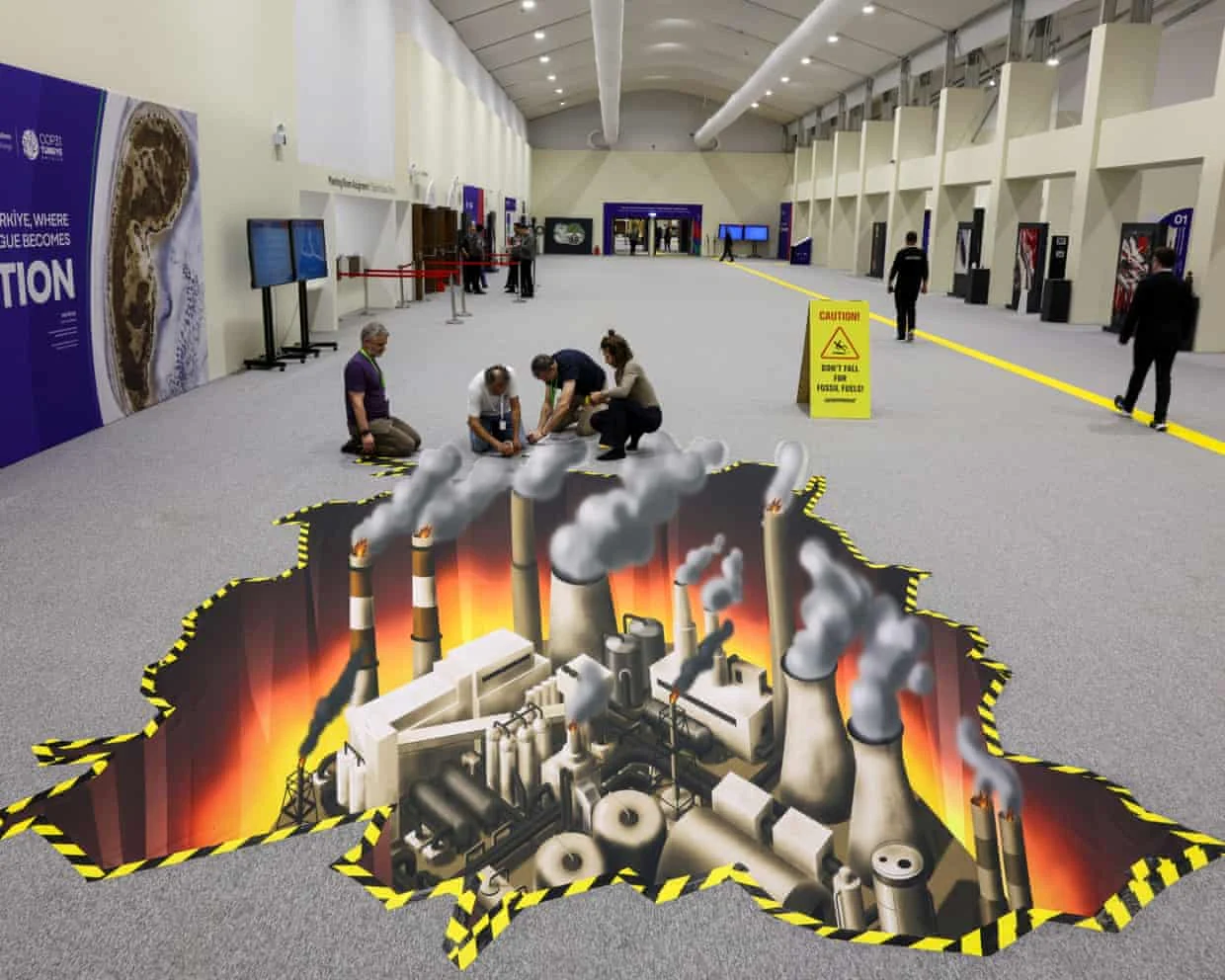
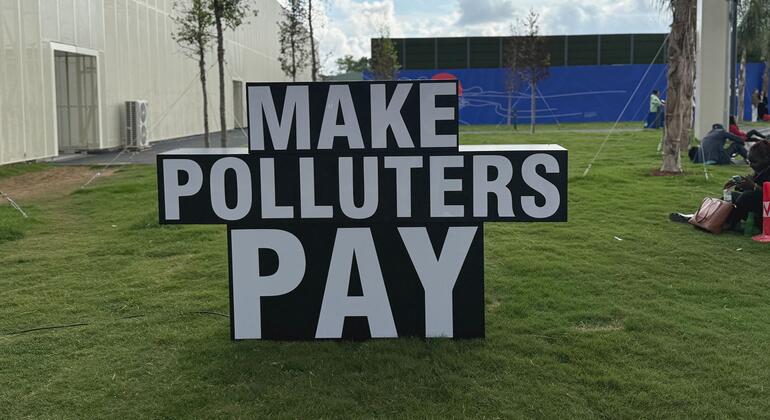
Protesters at the conference carried signs demanding that polluters pay, while others used a cooking demonstration to present debt cancellation as an ingredient in climate action. UN News
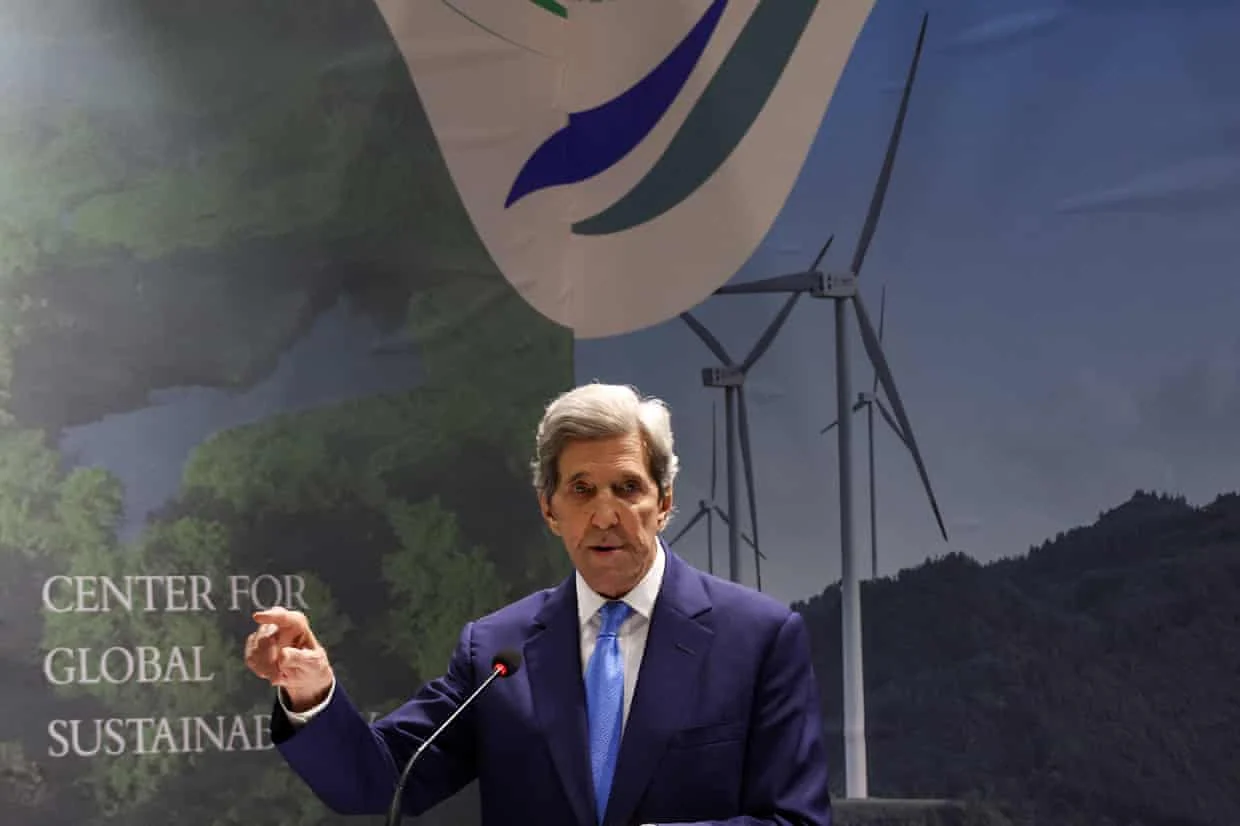
The UN update highlighted a $10 billion initiative intended to finance climate projects in emerging markets. UN News
Finance becomes the centre of COP31
At COP31 in Antalya, climate finance dominated negotiations and public demonstrations. UN News reported that vulnerable countries and campaigners were pressing wealthy nations and major polluters to contribute more, while negotiators worked on a possible political declaration. The dispute is practical as much as moral: governments facing droughts, floods and displacement need money to adapt before the next disaster arrives. Reporting context: UN News
Related coverage: Scientists predict 2026 hottest year on record as climate talks begin.
Existing commitments do not match the bill
António Guterres said that even tripling adaptation finance would meet less than 30 percent of what vulnerable countries need. He argued that climate disasters are erasing development gains and pushing countries deeper into debt. For governments with high borrowing costs, financing a seawall, drought-resistant agriculture or early-warning system can compete directly with health, education and housing budgets. Reporting context: UN News
The polluter-pays argument returns
Protesters at the conference carried signs demanding that polluters pay, while others used a cooking demonstration to present debt cancellation as an ingredient in climate action. The message reflects a long-running divide: countries with relatively low historical emissions say they are paying for damage caused largely elsewhere, and that conventional loans can worsen the burden when climate shocks hit.
A new investment initiative offers one route
The UN update highlighted a $10 billion initiative intended to finance climate projects in emerging markets. Such funds can help if they arrive at a scale and cost that local governments can use, but the design matters: grants and concessional finance reduce debt pressure more effectively than commercial loans, and projects need transparent rules about who benefits and who carries the risk. Reporting context: UN News
Negotiators still face fossil-fuel language
The first outline of a possible political declaration left climate finance and fossil fuels among the unresolved issues. The final test is whether the text connects money to delivery: predictable multi-year funding, simpler access for vulnerable states and clear reporting. Without those details, a headline pledge can sound ambitious while leaving adaptation agencies unable to plan beyond the next budget cycle. Source: UN News
Sources and editorial notes
This article compiles the linked reporting. Allegations, projections and research findings retain their original qualifications; this page does not represent independent field reporting or expert medical review.
- UN News (reporting)
November 17, 2026: Replaced repeated summary and FAQ templates, added source attribution and image description, and clarified the distinction between source publication and site edits. This editorial update is not an independent fact-check certification.