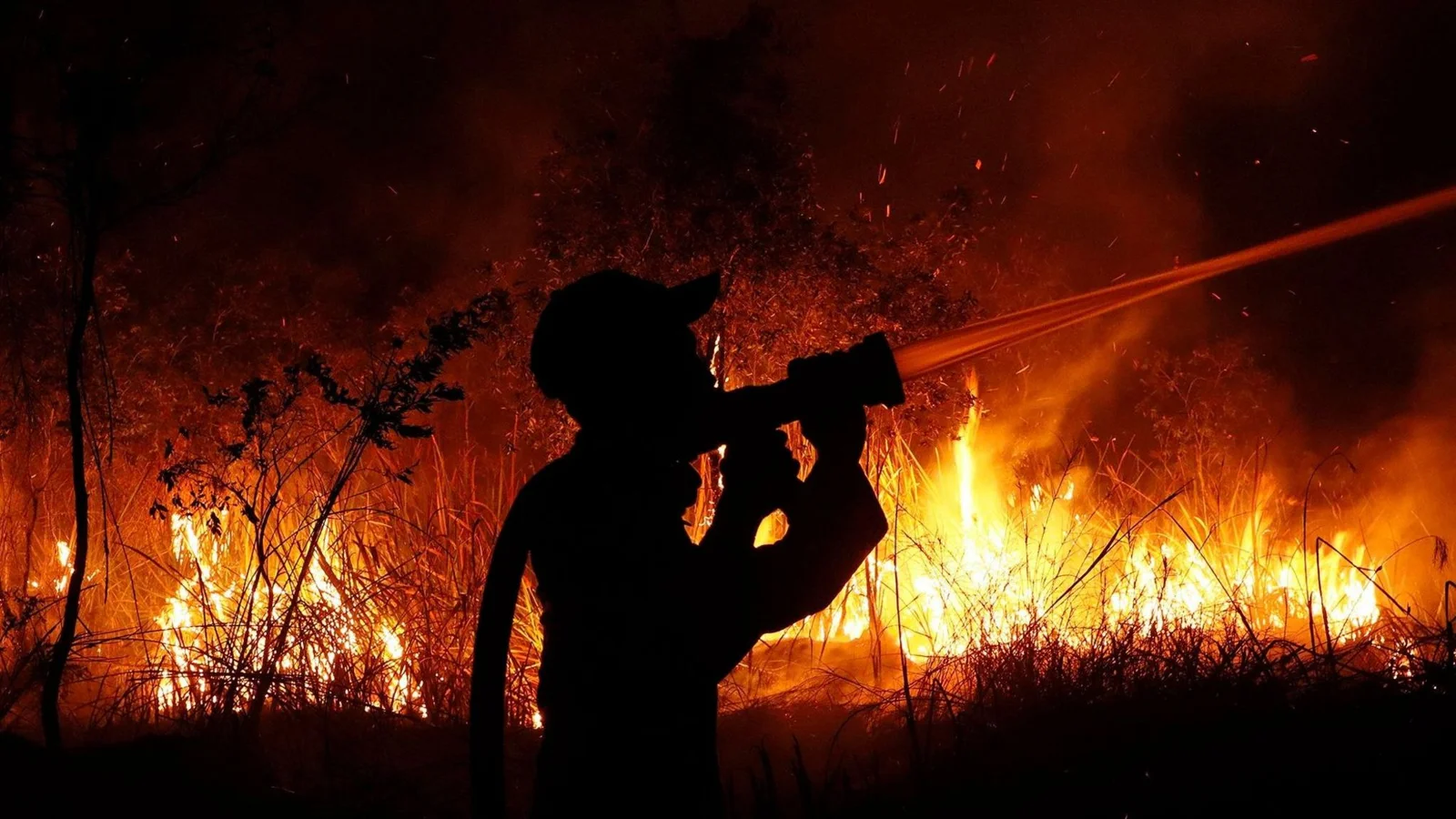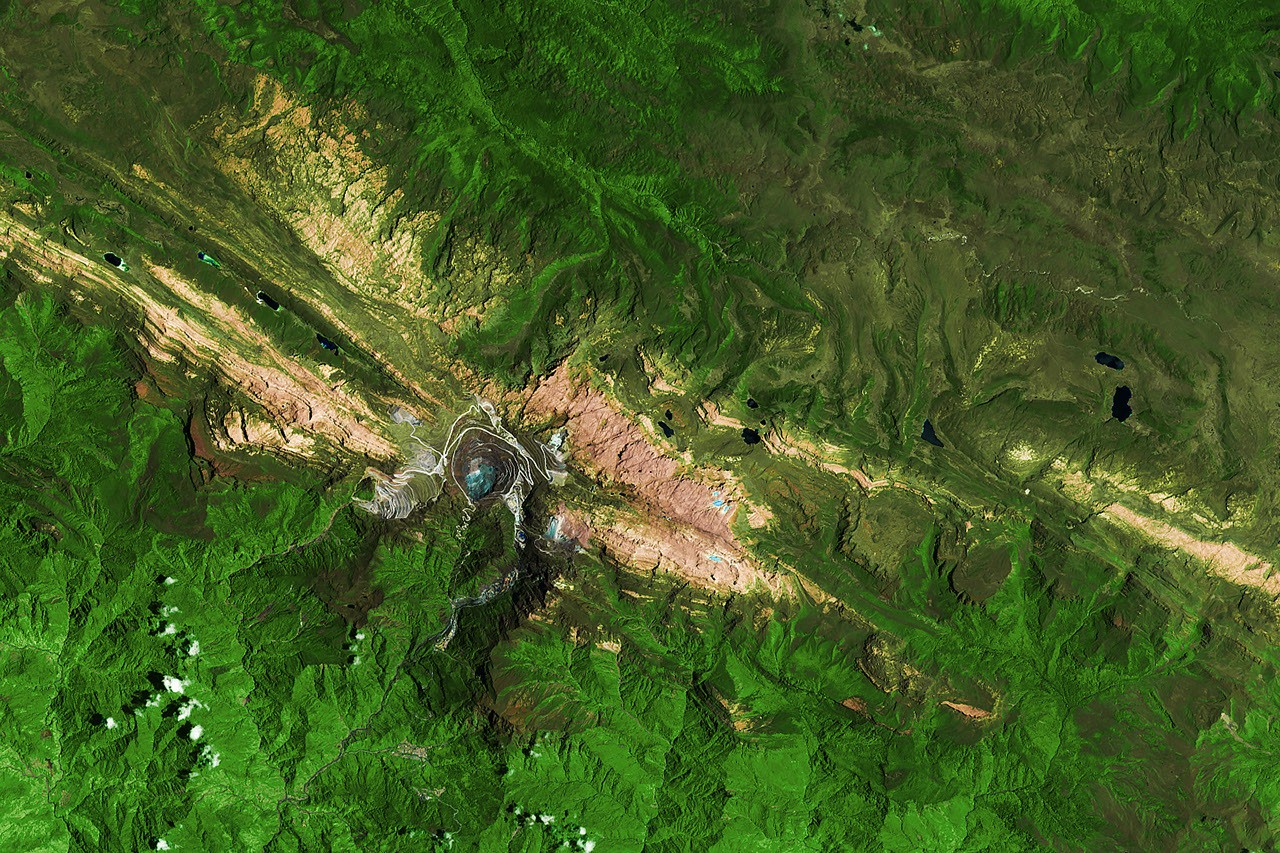
Satellite comparisons show that the glaciers near Indonesia’s Puncak Jaya fell from about 4.31 square kilometres in 1988 to roughly 0.09 square kilometres by September 2025. NASA Earth Observatory
Key facts
The quoted area estimate is about 0.09 km² in September 2025, compared with 4.31 km² in 1988; the 2026 images are not a new completed area survey. NASA Earth Observatory
Ice at the East Northwall Firn monitoring site fell from about 32 metres thick in 2010 to four metres in 2023, and had disappeared by November 2024. NASA Earth Observatory
NASA describes El Niño as an additional pressure on Puncak Jaya’s remaining ice, raising the freezing level and increasing rainfall instead of snow. NASA Earth Observatory
A rare equatorial ice field is nearing the end of its glacier life
The Sudirman Range on New Guinea is one of the few places near the equator where ice has survived year-round. NASA Earth Observatory’s comparison of Landsat images from 1988 and 2026 shows how much has changed around Puncak Jaya. The remaining ice is now split into small patches that are too thin and disconnected to flow like a conventional glacier. Reporting context: NASA Earth Observatory
The area has collapsed over four decades
Climate scientist Donaldi Permana of Indonesia’s meteorological agency estimated that the glaciers covered about 4.31 square kilometres in 1988. Satellite and aerial observations found only about 0.09 square kilometres remained by September 2025, roughly two percent of the earlier extent and an area comparable to a dozen football fields. A planned aerial survey is expected to refine the estimate for 2026. Reporting context: NASA Earth Observatory
Thickness is falling as well as area
At the East Northwall Firn monitoring site, measurements fell from about 32 metres of ice in 2010 to four metres in 2023; by November 2024, the ice at that site had disappeared. As the surface breaks into fragments, more edges are exposed to sunlight and warm air. Snow still falls, but on exposed rock it does not remain long enough to rebuild a persistent snowpack. Reporting context: NASA Earth Observatory
El Niño can accelerate the loss
NASA’s account describes how El Niño raises the freezing level above the summit, turning precipitation that might once have fallen as snow into rain. During the 2015–2016 El Niño, the ice reportedly thinned about five times faster than usual, losing around 5.3 metres in one year. The 2023–2024 event produced another period of rapid thinning, estimated at two to four metres per year. Reporting context: NASA Earth Observatory
A climate signal with local consequences
Scientists describe tropical glaciers as sensitive indicators because they exist close to the warmest conditions in which ice can persist. Studies suggest the main glacial areas could disappear around 2030, although local estimates vary and El Niño could bring the date forward. The loss will also change a high-altitude landscape that has scientific and cultural value, even if the ice field is too small to drive regional sea-level rise. Source: NASA Earth Observatory
Questions readers ask
Do the 2026 satellite images establish a new measured glacier area?
No. The article describes a 1988–2026 image comparison, but the quoted area estimate of roughly 0.09 square kilometres is for September 2025. It should not be relabelled as a completed 2026 area survey. NASA Earth Observatory
At a glance
| Measure | Observation date | Reported value |
|---|---|---|
| Ice-covered area | 1988 | 4.31 km² |
| Ice-covered area | September 2025 | About 0.09 km² |
| Ice thickness at East Northwall Firn monitoring site | 2010 | About 32 m |
| Ice thickness at the same site | 2023 | About 4 m |
| Ice at the same site | November 2024 | No ice remaining |
Sources and editorial notes
This article compiles the linked reporting. Allegations, projections and research findings retain their original qualifications; this page does not represent independent field reporting or expert medical review.
- NASA Earth Observatory (reporting)
November 17, 2026: Replaced repeated summary and FAQ templates, added source attribution and image description, and clarified the distinction between source publication and site edits. This editorial update is not an independent fact-check certification.