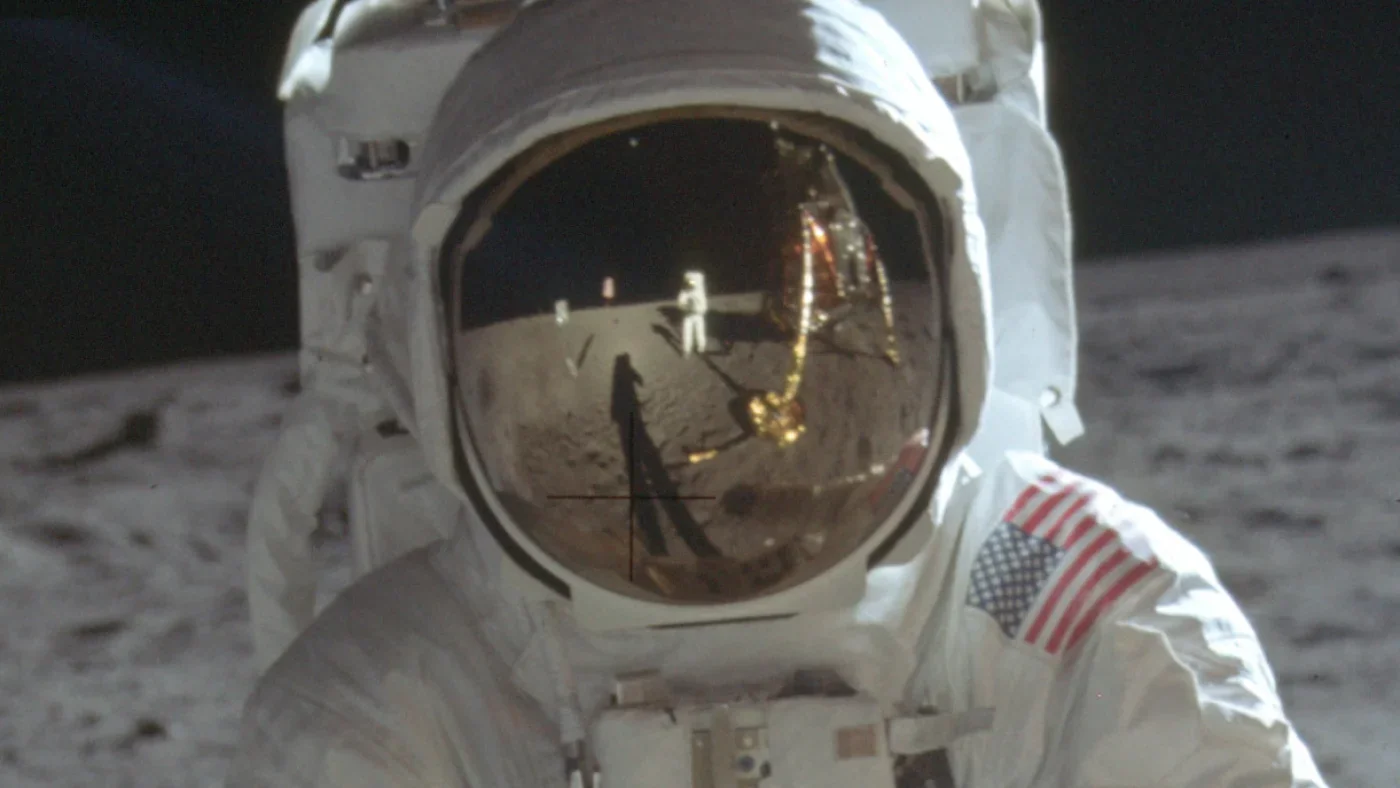
NASA is accepting applications for its astronaut corps, with future work expected to include testing spacecraft and living and working on the Moon. Administrator Jared Isaacman described teamwork, judgement and technical ability as essential qualities. NPR
Key facts
Applicants must be US citizens and ordinarily hold a master's degree in an eligible science, technology, engineering or mathematics field. NPR
The standard requirement includes at least three years of related professional experience after completing a degree. NPR
NASA's Astronaut Selection Board reviews applications and invites a small group of highly qualified candidates to Johnson Space Center in Houston. NPR
NASA opens a new astronaut recruitment round
NASA is accepting applications for a new astronaut class, with candidates expected to prepare for missions that could include living and working on the Moon. Applications close at 11:59 p.m. EST on 3 December, according to the agency's recruitment page.
The opportunity is unusually competitive. NPR reports that NASA selected just ten candidates from more than 8,000 applicants in its previous round. The agency currently has 32 active astronauts and has selected 370 candidates across its history.
The educational route has broadened
Applicants must be US citizens and ordinarily hold a master's degree in an eligible science, technology, engineering or mathematics field. In a change confirmed to NPR by NASA spokesperson Anna Schneider, master's-level nursing degrees now qualify within the agency's STEM definition.
That expands the educational route without removing the other requirements. The recruitment process evaluates a combination of professional preparation and personal skills suited to difficult missions, rather than accepting applicants solely because their degree appears on the list.
Experience matters alongside qualifications
The standard requirement includes at least three years of related professional experience after completing a degree. Alternative routes can accommodate certain doctoral studies, medical qualifications or extensive pilot experience, as described in NPR's account of the application requirements.
NASA also stresses leadership, teamwork and communication. Those qualities matter in small crews that must operate equipment, solve unexpected problems and make sound decisions while living and working together in demanding environments.
Selection happens in several stages
NASA's Astronaut Selection Board reviews applications and invites a small group of highly qualified candidates to Johnson Space Center in Houston. Around half of those interviewed are invited back for a second interview before the final class is chosen.
Being selected starts a candidacy period, rather than providing an immediate assignment to a lunar mission. The distinction matters for applicants imagining a direct route from an application form to a spacecraft: the agency first establishes whether candidates can complete the necessary preparation.
Two years learning the operational skills
Successful candidates undergo roughly two years of basic training at Johnson. NASA describes work on spacewalking, space station operations, T-38 jet flying and robotic-arm control among the skills covered. Reporting context: NPR
The training has to serve a range of possible assignments. Preparing for the Moon adds unfamiliar terrain and operating conditions, including the difficult environment near the lunar south pole, but astronauts also need a broad foundation in spacecraft systems and coordinated mission work.
Recruitment reflects a longer exploration programme
Administrator Jared Isaacman framed the new class around technical excellence, judgment and teamwork. NASA is relying on partners including Blue Origin and SpaceX as it develops the systems for its lunar ambitions, NPR reports.
The advertised starting salary is $164,395. For potential applicants, the immediate decision is whether their qualifications match the current announcement and whether they can meet its deadline. Future mission dates and individual crew assignments remain separate from the recruitment timetable, even as lunar exploration shapes the skills NASA is seeking. Reporting context: NPR
Sources and editorial notes
This article compiles the linked reporting. Allegations, projections and research findings retain their original qualifications; this page does not represent independent field reporting or expert medical review.
- NPR (reporting)
- recruitment page (reporting)
November 17, 2026: Replaced repeated summary and FAQ templates, added source attribution and image description, and clarified the distinction between source publication and site edits. This editorial update is not an independent fact-check certification.