Researchers have identified an RNA molecule associated with microscopic changes that can precede ovarian cancer. The findings, published in Nature Medicine, point to a possible route towards identifying risk earlier. The Guardian
Key facts
The Nature Medicine study measured Tu-Stroma in serum extracellular vesicles from 506 people across several diagnostic groups. The Guardian
The reported 92.3% sensitivity for STIC and 98.2% specificity among healthy women describe study performance, not the probability that any positive population-screening result is correct. The Guardian
The findings require clinical validation and do not establish a general-population screening recommendation or an automatic indication for surgery. The Guardian
Researchers look for warning signs before invasive cancer
A blood-based RNA signal may help identify a microscopic precursor of ovarian cancer, according to a study published in Nature Medicine. Researchers examined Tu-Stroma, a molecule associated with changes in the fallopian tube that can precede high-grade serous ovarian cancer.
The work shifts the diagnostic question from locating a smaller tumour to identifying evidence of disease before an invasive tumour has developed. It is a research finding with potential relevance to prevention, rather than an established screening programme for the general population.
The precursor is difficult to see
Serous tubal intraepithelial carcinoma, usually abbreviated to STIC, is a non-invasive lesion in the fallopian tube lining. It is ordinarily identified by examining removed tissue under a microscope. That makes it difficult to know whether it is present before surgery.
High-grade serous carcinoma is the most common subtype of epithelial ovarian cancer. A reliable circulating marker for its earliest stages could therefore provide information at a point when existing approaches often leave uncertainty.
What the study actually measured
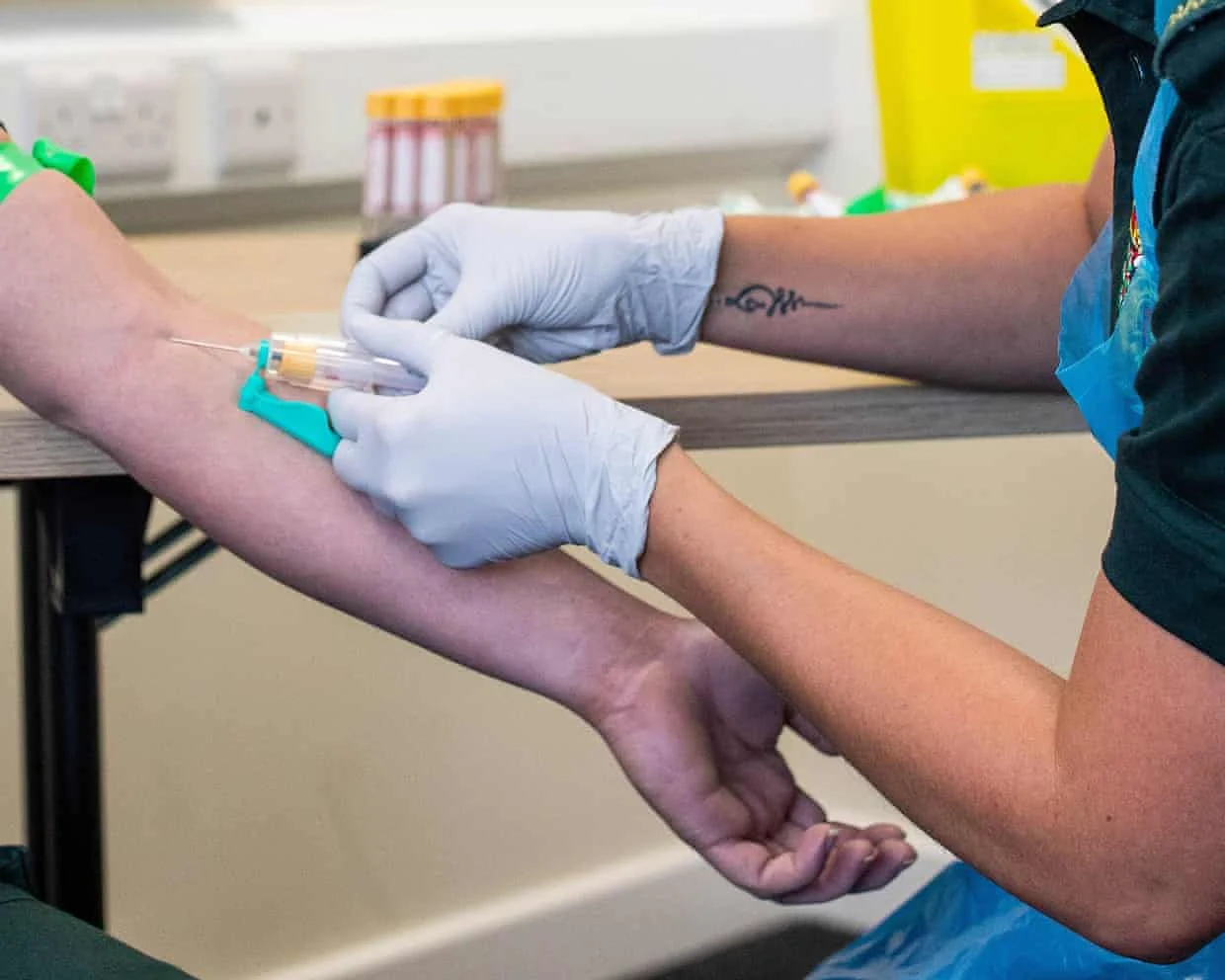
The Nature Medicine paper assessed Tu-Stroma in serum extracellular vesicles, tiny membrane-bound particles found in blood. The study included samples from 506 people across groups with normal tissue, benign lesions, isolated STIC and different stages of high-grade serous carcinoma.
Researchers used separate training and validation cohorts. This structure helps test whether a threshold developed in one set of samples continues to distinguish groups in another, rather than reporting only performance in the data used to build the test.
Nature Medicine: Blood-based RNA biomarker for early ovarian-cancer detection
How to read the headline accuracy
In the results highlighted in the Guardian's Reuters report, the marker detected 92.3% of women with STIC and correctly identified 98.2% of healthy women. Those numbers describe sensitivity and specificity within the study setting.
They are not the same as the chance that a positive result means a person has disease. That probability also depends on how common the condition is in the group being tested. Even an accurate test can generate a substantial share of false positives when the target condition is rare.
Potential value for high-risk patients
The researchers estimated that among women with inherited risk factors, about 72% of positive results would be correct, with negative results correct almost all the time. These estimates concern a higher-risk population and should not be transferred unchanged to routine population screening. Reporting context: The Guardian
Such women can face difficult decisions about preventive removal of their fallopian tubes and ovaries. A marker of an existing precursor might eventually add biological information to decisions currently guided heavily by inherited risk.
What would make the discovery clinically useful
Study leaders Rajan Gogna and Esha Madan described the possibility of detecting warning signs earlier and informing prevention. The question now extends beyond whether a laboratory can separate stored samples: a clinical pathway must establish how a result changes care and whether that change improves outcomes.
The study provides a detailed basis for further evaluation. It does not yet show that a positive test should automatically lead to surgery or that a negative result removes the need for specialist assessment in someone at elevated risk.
Questions readers ask
Is the ovarian-cancer finding ready to be used as a general screening test?
The reported findings concern early-risk detection research. Clinical usefulness still depends on validation, false-positive rates and how testing would change care; the study is not itself a recommendation for population screening. The Guardian
Sources and editorial notes
This article compiles the linked reporting. Allegations, projections and research findings retain their original qualifications; this page does not represent independent field reporting or expert medical review.
- The Guardian (reporting)
- Nature Medicine: Blood-based RNA biomarker for early ovarian-cancer detection (primary)
November 17, 2026: Replaced repeated summary and FAQ templates, added source attribution and image description, and clarified the distinction between source publication and site edits. This editorial update is not an independent fact-check certification.