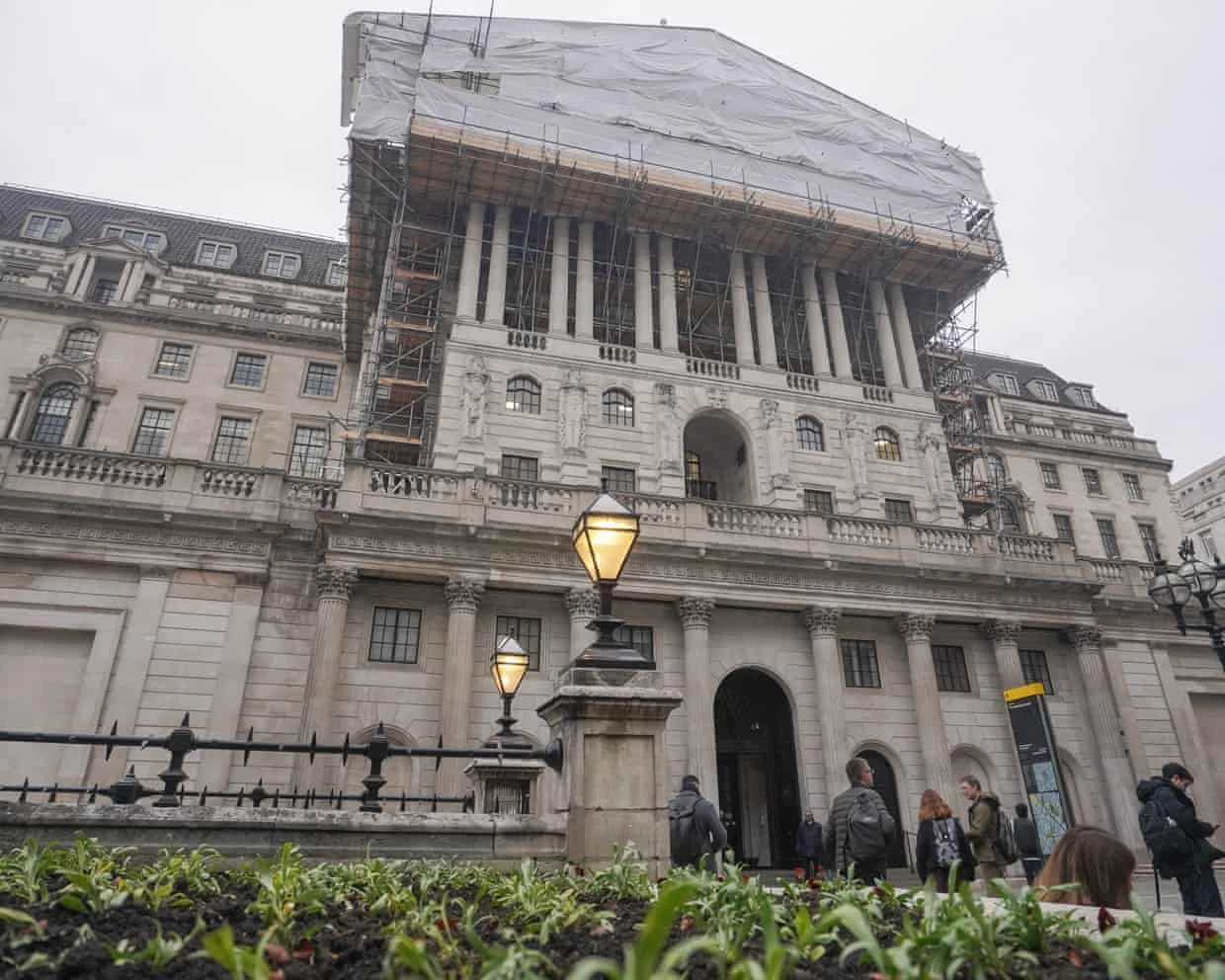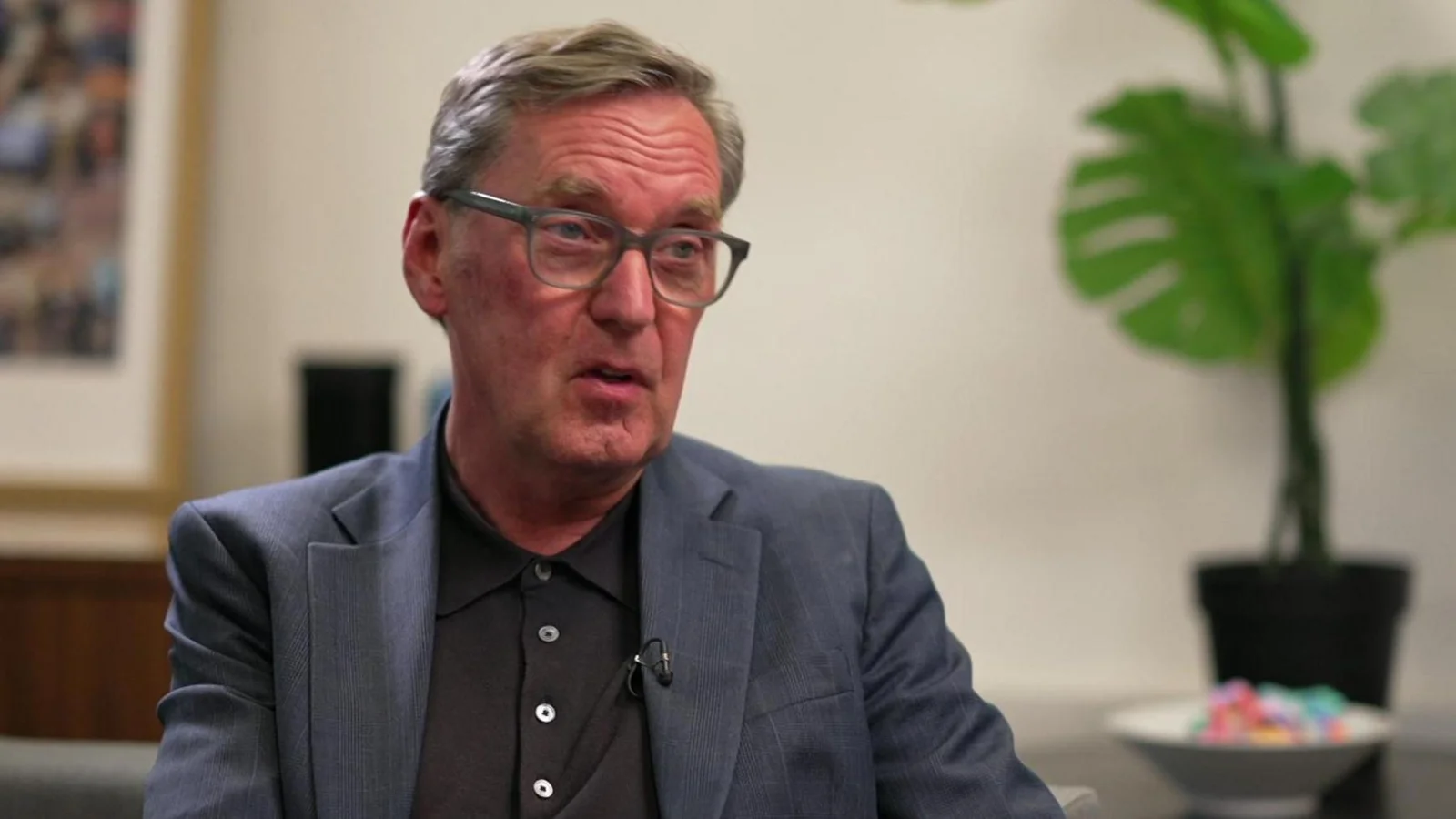
Bank of England deputy governor Clare Lombardelli says younger people are carrying much of the burden of Britain's weak labour market. Employers are trying to retain existing staff while holding back on new recruitment. The Guardian
Key facts
Lombardelli linked employers' caution to the Iran war, higher energy costs and an uncertain economic outlook. The Guardian
UK unemployment had risen to 4.7%, while youth unemployment increased more quickly to its highest level outside the pandemic since 2015. The Guardian
Employers surveyed by the Bank also expressed a sense that employing a young person had become riskier. The Guardian
A hiring slowdown hits labour-market newcomers
Young people are bearing a disproportionate share of Britain's weak hiring, Bank of England deputy governor Clare Lombardelli has warned. In an interview reported by The Guardian, she described employers retaining existing staff while delaying recruitment. This low-hiring, low-redundancy pattern differs from a downturn dominated by mass layoffs. Its consequences can nevertheless be severe for people seeking a first job, because fewer departures are needed to explain why entry opportunities have become scarce.
Uncertainty encourages firms to wait
Lombardelli linked employers' caution to the Iran war, higher energy costs and an uncertain economic outlook. Businesses also face tax increases and consumers constrained by living costs. When companies hesitate to expand, holding current staff can preserve expertise while avoiding the cost and commitment of new appointments. That can protect existing employees without helping those outside work. The result is an uneven distribution of adjustment: established workers may remain employed while young applicants struggle to gain an initial foothold.
The headline unemployment rate hides a sharper youth problem
UK unemployment had risen to 4.7%, while youth unemployment increased more quickly to its highest level outside the pandemic since 2015. Almost a million young people were not in education, employment or training. The government was awaiting a report on young people and work from former Labour minister Alan Milburn, expected the following week. These measures describe related but different groups: not every young person outside education or training is actively seeking work, and an overall unemployment rate cannot fully represent their circumstances. Reporting context: The Guardian
First-job sectors are especially important
Lombardelli highlighted hospitality and retail as areas where vacancies have weakened. These industries often offer an initial route into paid work, so a reduction in their recruitment can restrict opportunities before applicants have accumulated experience. Employers surveyed by the Bank also expressed a sense that employing a young person had become riskier. The report does not establish a single cause for that perception, but it suggests that the problem includes willingness to make new appointments as well as the number of people available to work.
Higher unemployment may not remove inflation pressure
The Bank is watching labour-market conditions because wage demands can contribute to persistent price increases. However, Lombardelli said a higher unemployment rate does not necessarily produce a straightforward fall in inflation. Firms holding on to essential staff may still compete for the limited roles they find difficult to fill. That creates a difficult combination: too few accessible openings for newcomers, while some employers continue to face specific recruitment and wage pressures. Aggregate weakness can coexist with shortages in selected occupations.
Interest-rate decisions remain open
Lombardelli supported the recent increase in the base rate from 3.75% to 4% and said another quarter-point increase in December was plausible. She stressed that the decision would depend on the conflict, energy prices and the wider evidence, rather than announcing a settled vote in advance. The policy problem is that expensive energy can both weaken hiring and raise inflation. Resolving the jobs challenge therefore requires understanding how uncertainty and costs affect recruitment, while the Bank separately decides how much monetary tightening is needed to prevent price pressures becoming entrenched. Reporting context: The Guardian
Sources and editorial notes
This article compiles the linked reporting. Allegations, projections and research findings retain their original qualifications; this page does not represent independent field reporting or expert medical review.
- The Guardian (reporting)
November 17, 2026: Replaced repeated summary and FAQ templates, added source attribution and image description, and clarified the distinction between source publication and site edits. This editorial update is not an independent fact-check certification.