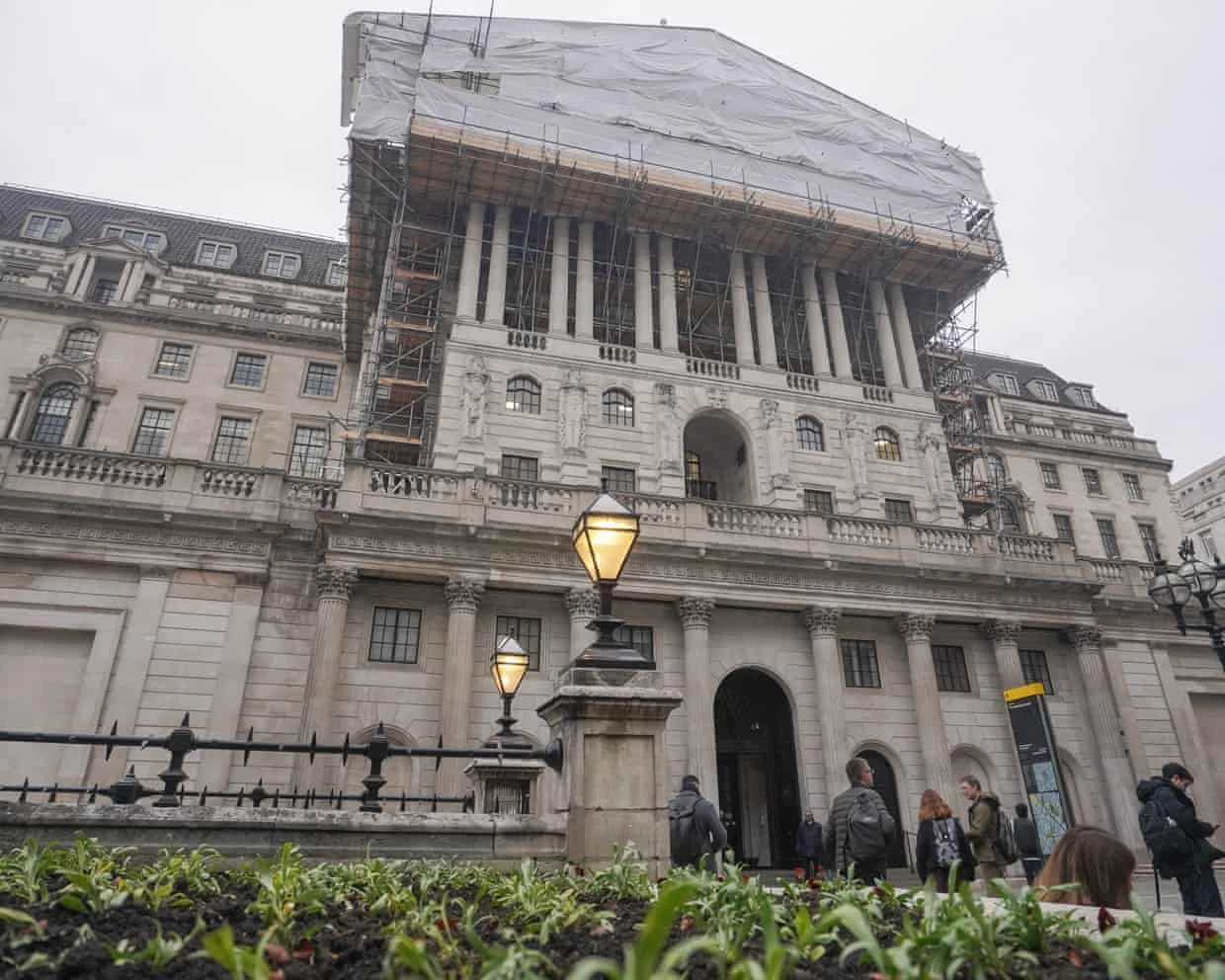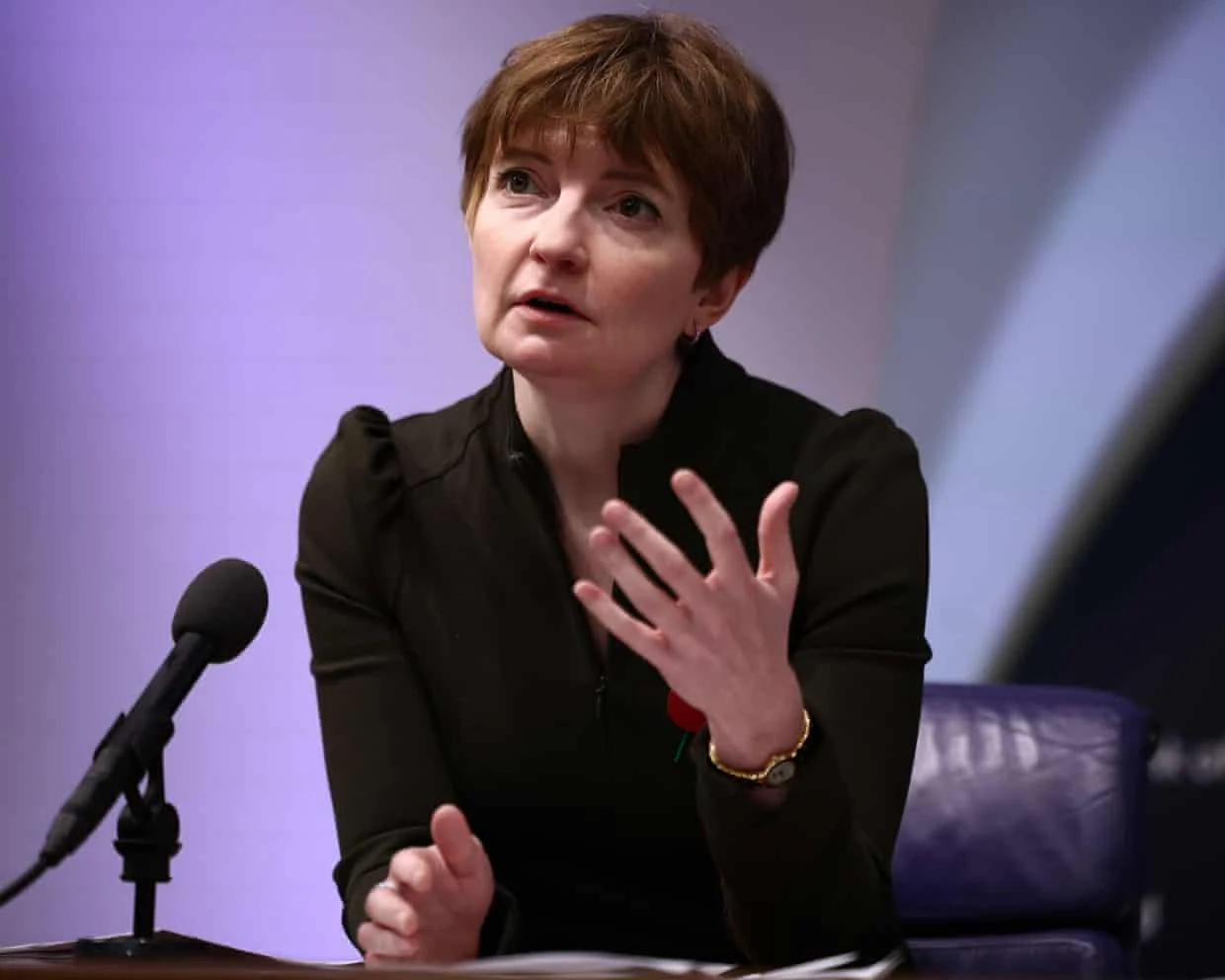
Britain's economy expanded by 0.7% between July and September, according to figures reported by the Office for National Statistics. It was the strongest quarterly growth rate since early 2024 and matched economists' expectations. The Guardian
Key facts
Information and communication grew by 2.1% in the quarter, led by computer programming, consultancy and related work. The Guardian
The Guardian reports that new construction work has fallen more than 7% from mid-2025 and private housebuilding is around 30% below its 2022 peak. The Guardian
The BBC reports ONS chief economist Grant Fitzner's warning that households may not feel better off and that price increases could soon outpace wages. The Guardian
Services drive a stronger third quarter
The UK economy expanded by 0.7% between July and September, matching forecasts and delivering its fastest quarterly growth since early 2024. The Guardian reports that services supplied almost all the increase, with information technology particularly important. September alone recorded growth of 0.2%, above expectations of no change, while August was revised down from 0.1% to zero. The headline therefore combines a strong quarter with a more uneven sequence of monthly results.
AI-linked activity strengthens the IT sector
Information and communication grew by 2.1% in the quarter, led by computer programming, consultancy and related work. The Office for National Statistics says businesses associated with AI and cloud computing reported the largest turnover increases, with this industry the biggest contributor to growth across 2026. Analysts also point to administrative and support work benefiting from adoption. Those findings show activity associated with AI investment; they should not be read as a complete measurement of AI's contribution to every part of national productivity. Reporting context: The Guardian
Construction tells a weaker story
Services grew by 0.9%, while production added 0.1%. Construction declined sharply, showing that economic expansion was not evenly distributed. The Guardian reports that new construction work has fallen more than 7% from mid-2025 and private housebuilding is around 30% below its 2022 peak. Construction represents approximately 6% of output, so weakness there did not outweigh the larger services sector. Its performance nevertheless matters for employment, housing availability and the experience of businesses outside the strongest technology-related industries. Reporting context: The Guardian
National growth does not guarantee household relief
The BBC reports ONS chief economist Grant Fitzner's warning that households may not feel better off and that price increases could soon outpace wages. Watchmaker Studio Underdog offers one illustration of the mixed picture: founder Richard Benc described stronger-than-expected sales and resilient US customers, but some British buyers were taking longer to make purchases. The company exports roughly 80% of its watches. A healthy aggregate result can coexist with cautious household spending and substantial differences between customer groups.
Energy costs complicate the policy response
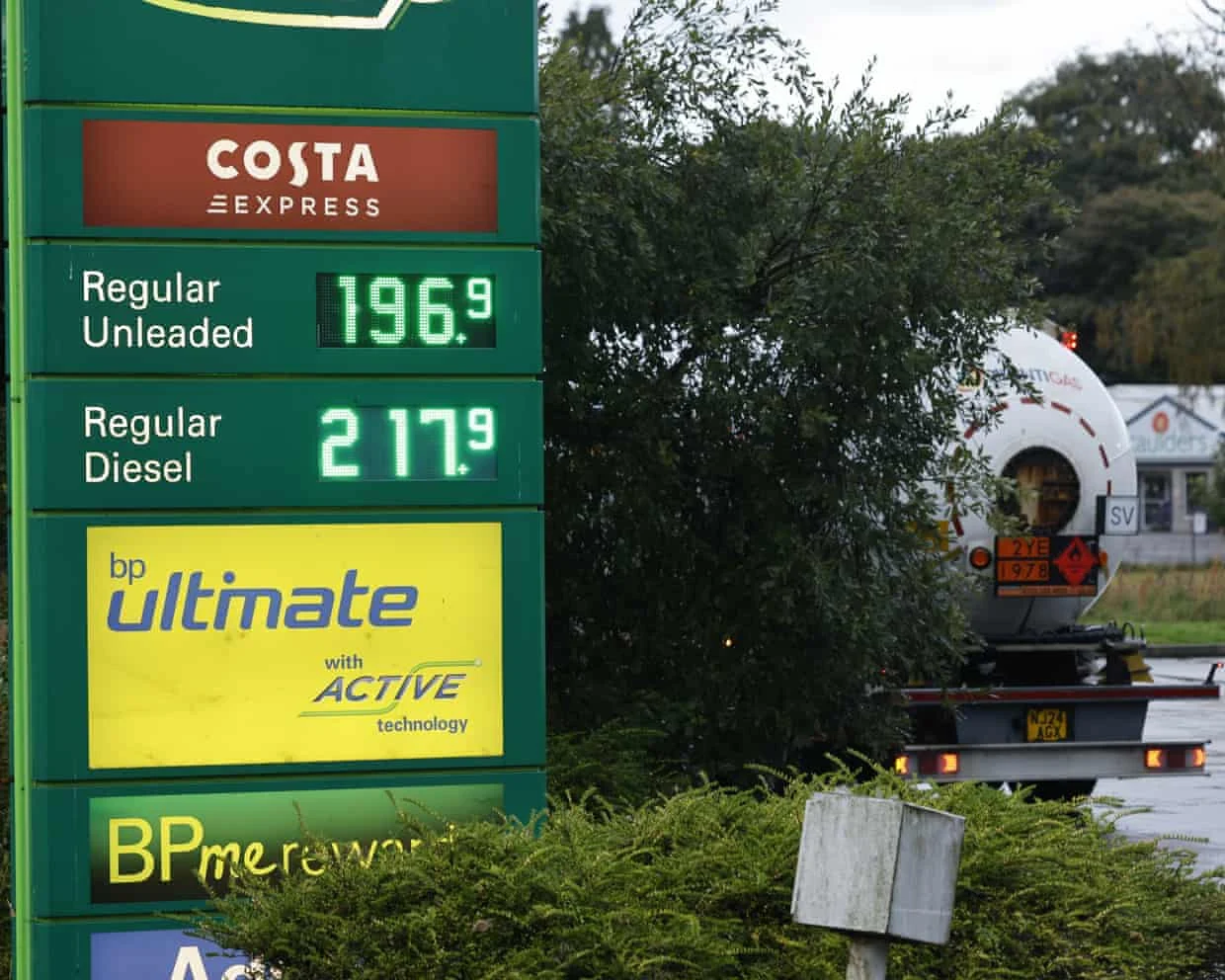
The figures arrive amid elevated fuel and electricity prices linked to conflict and supply disruptions. The Bank of England has raised interest rates from 3.75% to 4% to address inflation. Stronger activity can reinforce the case that the economy can withstand another increase, but higher borrowing costs also affect households and investment. Economists disagree about how persistent the momentum will be. Some see resilient spending and AI investment; others warn that January energy bills could weaken confidence and consumption. Reporting context: The Guardian
Forecasts face another revision
The Office for Budget Responsibility's 1.2% annual growth forecast already looks conservative against the year's performance. Deutsche Bank economist Sanjay Raja put output growth over the first three quarters at 1.8%, while the BBC says the UK is on course to rank second among the G7 economies. These comparisons use different measures and periods, so they are not competing descriptions of the same statistic. The immediate result is clear: a stronger quarter has improved the growth picture, while inflation, energy markets and uneven sector performance still constrain the outlook. Reporting context: The Guardian
Sources and editorial notes
This article compiles the linked reporting. Allegations, projections and research findings retain their original qualifications; this page does not represent independent field reporting or expert medical review.
- The Guardian (reporting)
- The BBC (reporting)
November 17, 2026: Replaced repeated summary and FAQ templates, added source attribution and image description, and clarified the distinction between source publication and site edits. This editorial update is not an independent fact-check certification.