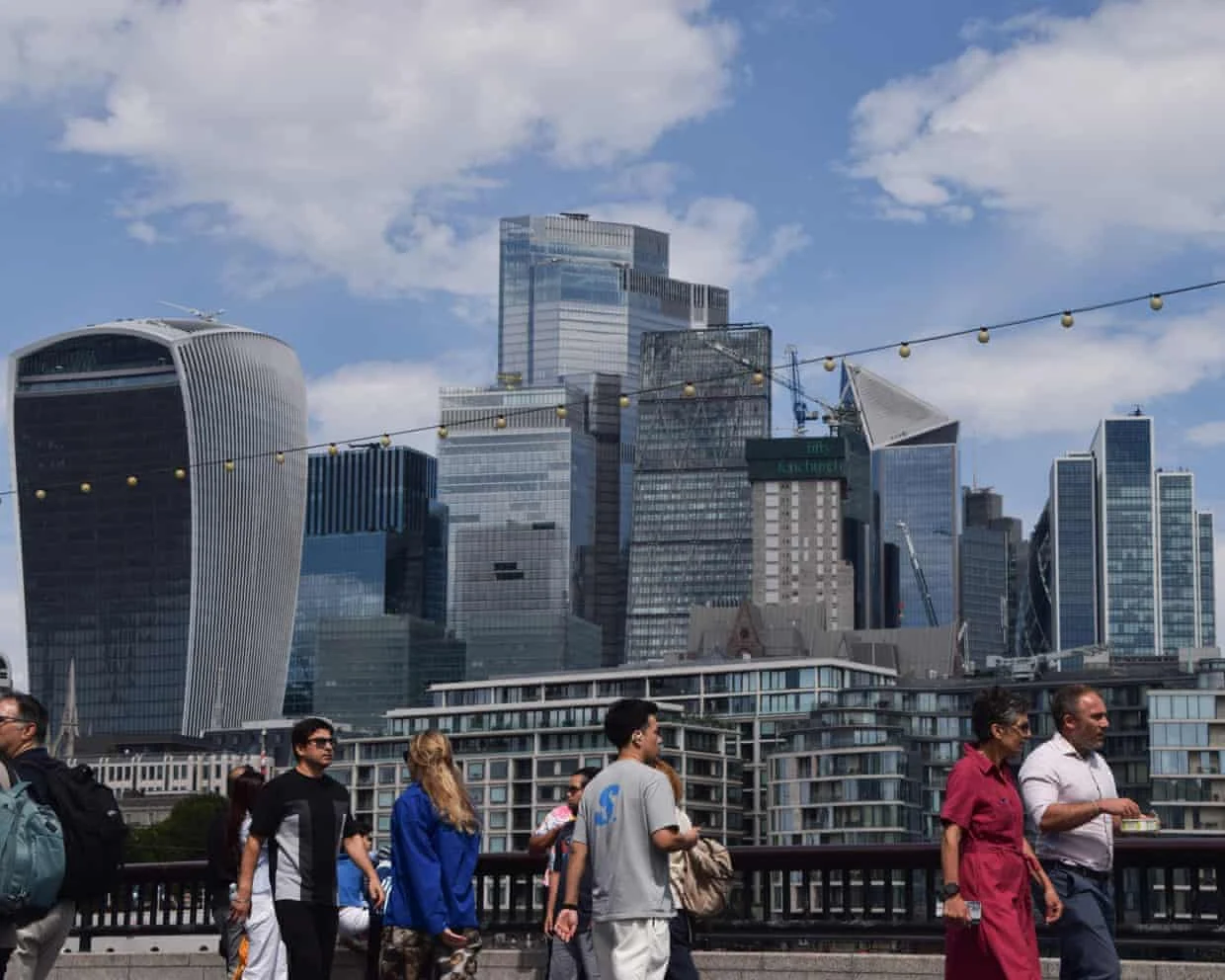
The National Institute of Economic and Social Research says the Bank of England's latest interest-rate rise was too cautious. It warns that a slow response could leave inflation above the 2% target until at least 2030. The Guardian
Key facts
An earlier Guardian report records eight Monetary Policy Committee members backing a quarter-point increase, while Catherine Mann preferred half a point. The Guardian
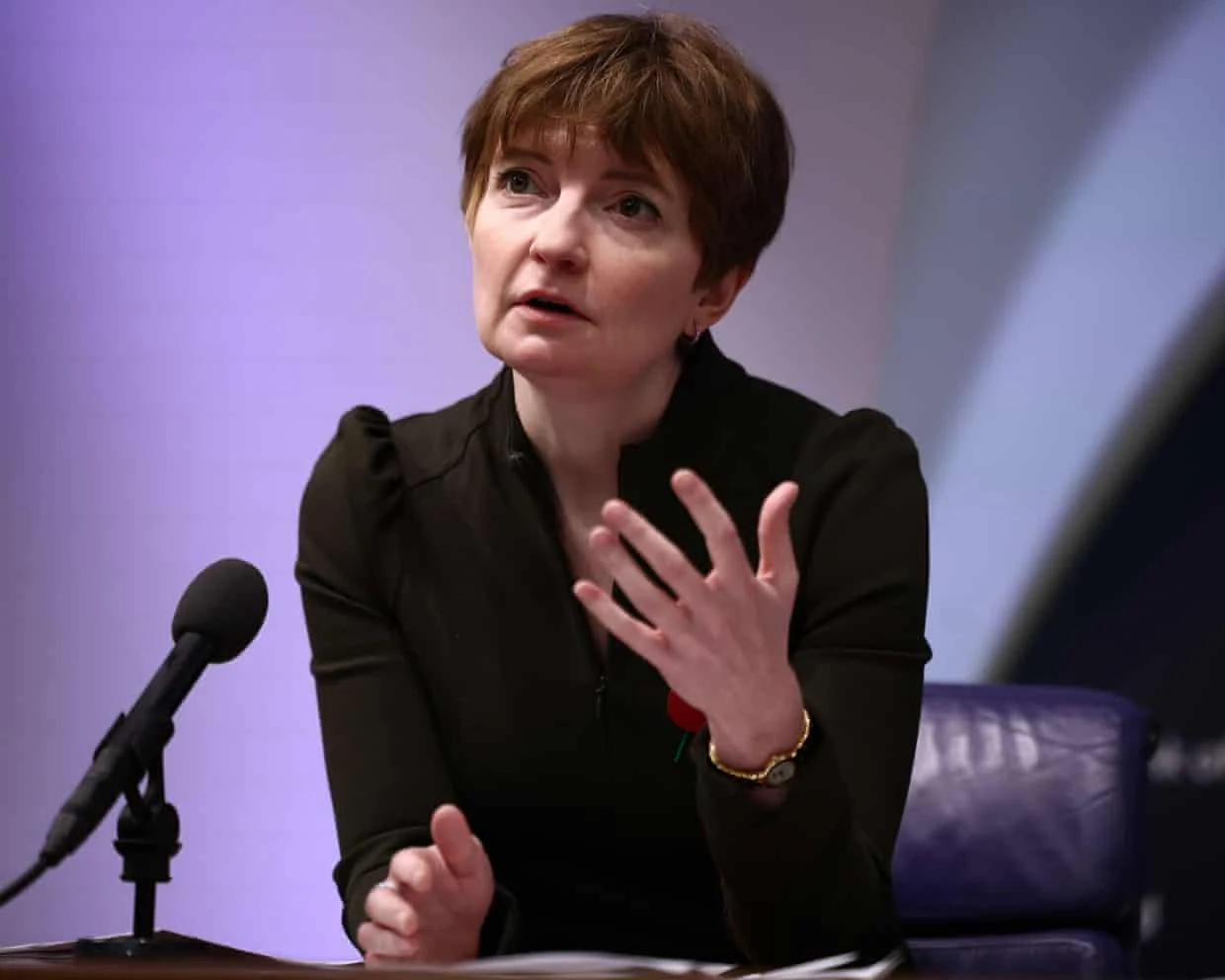
Niesr director David Aikman warned that inflation could exceed 4% as employers negotiate 2027 pay awards. The Guardian
Oil briefly traded below $90 a barrel after previously remaining above $100, while Niesr's forecasts assumed $105. The Guardian
A thinktank challenges the Bank's response
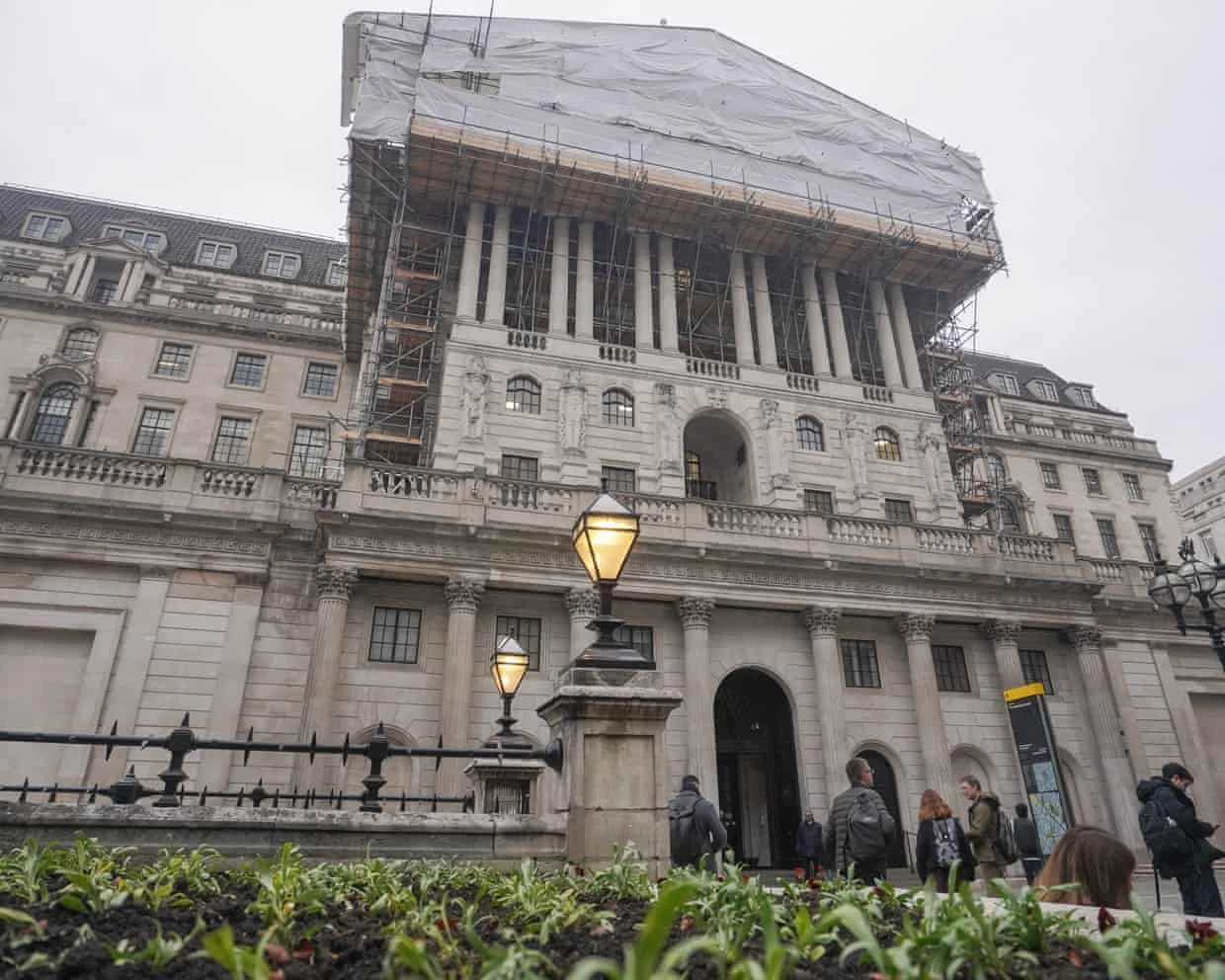
The National Institute of Economic and Social Research argues that the Bank of England has responded too cautiously to rising inflation. The Guardian reports the institute's warning that insufficient action could leave inflation above the 2% target until at least 2030. The criticism follows a rate increase from 3.75% to 4%. Niesr's conclusion is a forecast and policy judgement, rather than an agreed prediction shared by every member of the Bank's rate-setting committee.
The vote was unanimous on direction, divided on size
An earlier Guardian report records eight Monetary Policy Committee members backing a quarter-point increase, while Catherine Mann preferred half a point. Governor Andrew Bailey indicated that another increase might be needed without developments reducing inflation risks, but rejected the idea of an inevitable long sequence. The next decision is scheduled for 17 December. This shows a distinction between broad agreement that some tightening was necessary and disagreement about the pace and eventual scale.
Energy prices can feed into wages and other costs
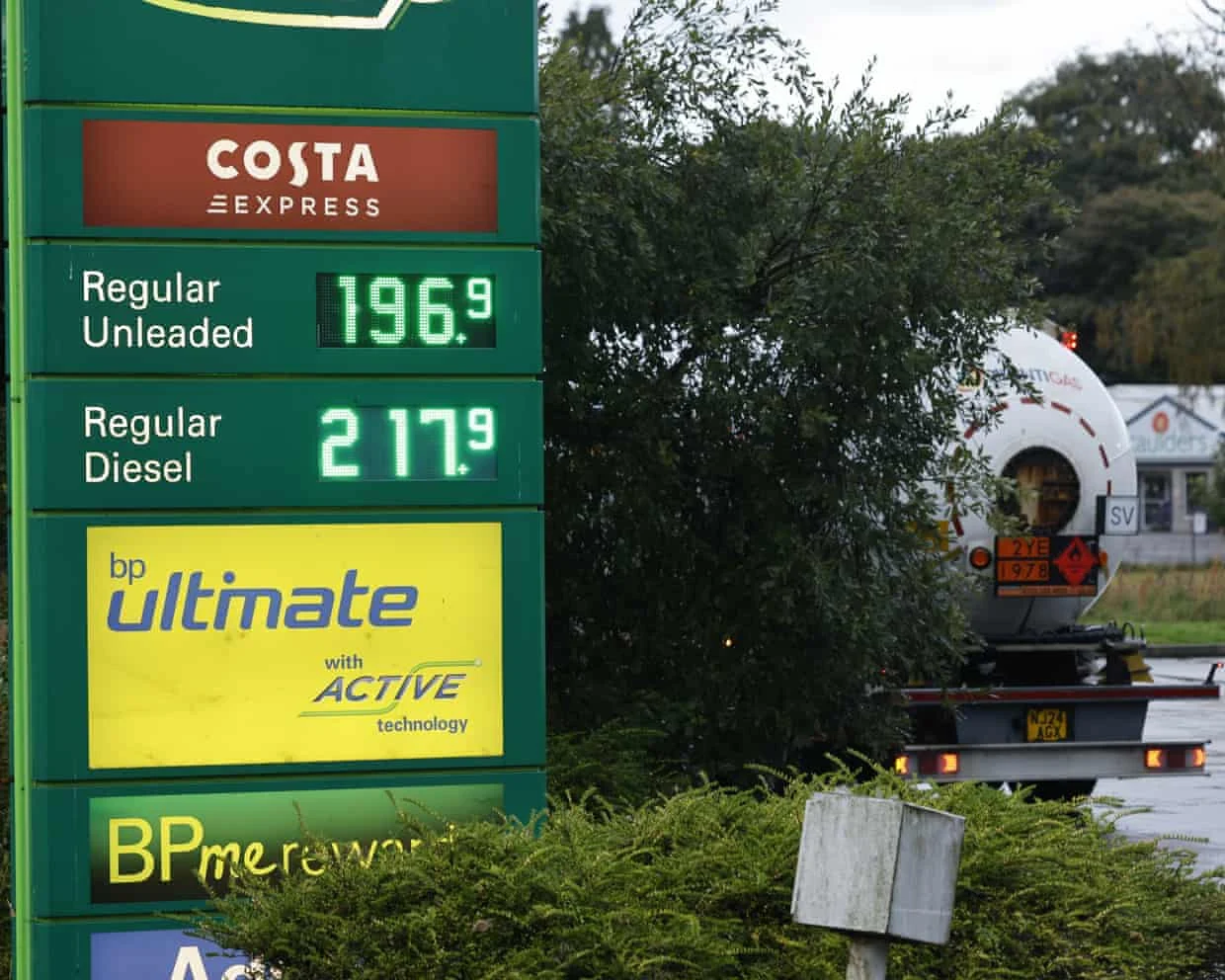
Inflation stood at 3.5%, with fuel costs pushed higher by the Iran war. Niesr director David Aikman warned that inflation could exceed 4% as employers negotiate 2027 pay awards. The concern is persistence: workers seek protection against living costs, companies face higher wage bills and prices can remain under pressure beyond the initial energy shock. Interest rates cannot reopen a shipping route, but policymakers use them to influence demand and expectations as those external costs spread through the domestic economy. Reporting context: The Guardian
A crude-price fall changes the assumptions unevenly
Oil briefly traded below $90 a barrel after previously remaining above $100, while Niesr's forecasts assumed $105. The institute cautions that shipping and refining difficulties can slow the transmission of cheaper crude to consumers. Economist Stephen Millard also notes that the change depends partly on continued political restraint in the conflict. A lower market quotation can improve the outlook without immediately eliminating costs already moving through businesses' supply contracts, household bills and wage negotiations. Reporting context: The Guardian
Slower growth makes the choice harder
Niesr expects UK growth of 1.6% this year but only 0.9% in 2028, with inflation, higher interest rates and constrained government spending weighing on confidence. That leaves policymakers balancing two risks: tightening too little and allowing inflation to persist, or tightening into a weakening economy. The Bank's own forecast, reported the previous week, put inflation at 4.9% in mid-2027. Those projections illustrate the scale of concern, although their eventual accuracy depends on energy prices and other developments that remain uncertain. Reporting context: The Guardian
Fiscal decisions add another source of pressure
The institute also criticised Chancellor John Healey for postponing difficult budget choices, warning about a potential £30 billion financing gap if that pattern continues. Aikman argues that higher energy costs and global borrowing rates require clear domestic responses, including choices about defence spending and savings elsewhere. These fiscal criticisms sit alongside, rather than replace, the monetary policy debate. The next test is whether new data and energy-market developments support another rate increase and whether government decisions reduce or intensify the pressures facing the Bank. Reporting context: The Guardian
Sources and editorial notes
This article compiles the linked reporting. Allegations, projections and research findings retain their original qualifications; this page does not represent independent field reporting or expert medical review.
- The Guardian (reporting)
- Guardian report (reporting)
November 17, 2026: Replaced repeated summary and FAQ templates, added source attribution and image description, and clarified the distinction between source publication and site edits. This editorial update is not an independent fact-check certification.