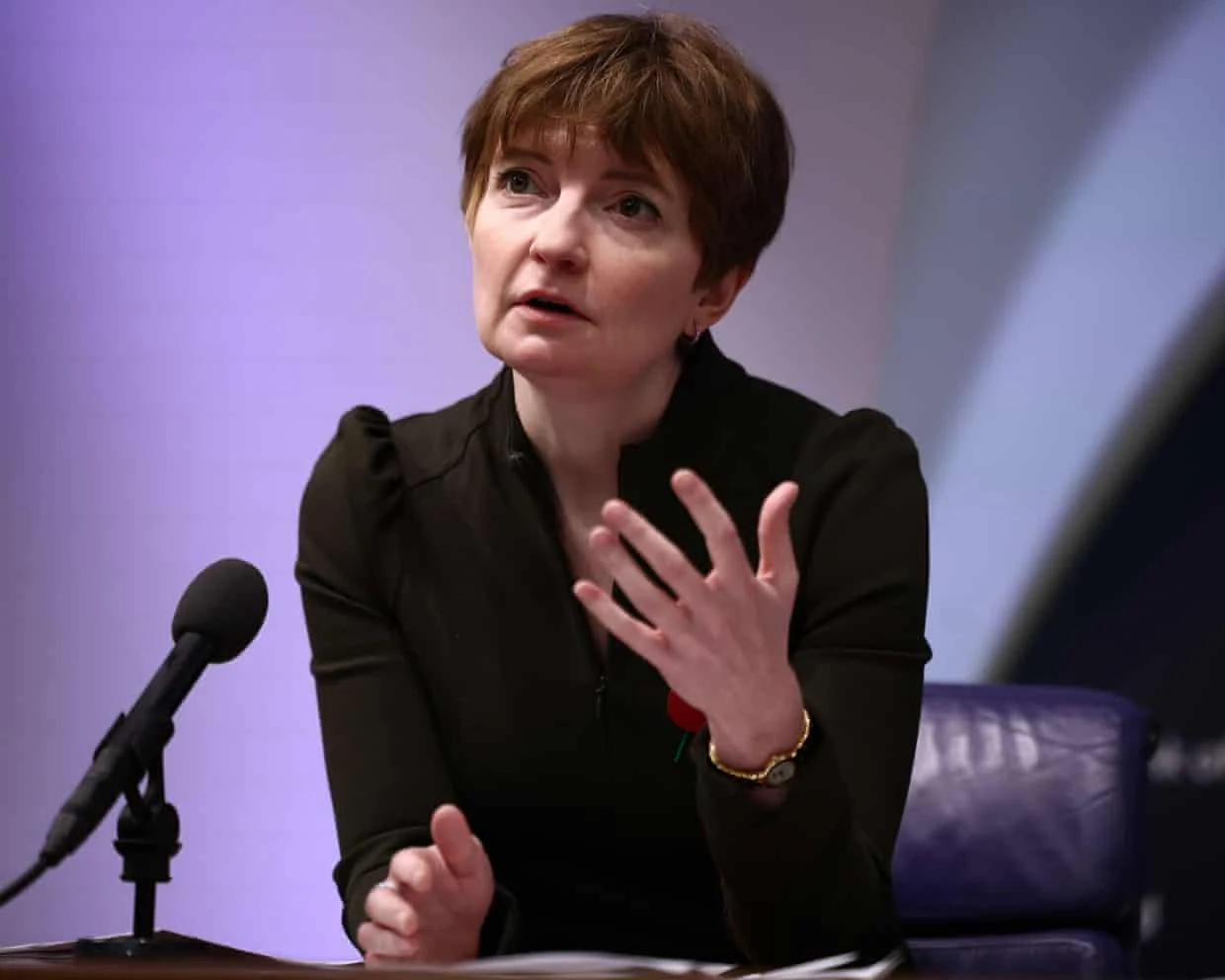
Image caption, Alan Milburn will publish his review next week
A government-commissioned review led by Alan Milburn is expected to recommend changes to sickness and disability benefits for younger people. The proposals had not yet been published when the BBC reported on them. BBC News
Key facts
The review is expected to recommend moving under-25s off the health element of Universal Credit and Personal Independence Payment in England and Wales. BBC News
PIP supports extra costs associated with disability or long-term conditions and is available both in and out of employment. BBC News
The review is expected to call for billions in work placements, wage subsidies and one-to-one advisers. BBC News
A youth-benefits overhaul is approaching publication
A government-commissioned review led by former health secretary Alan Milburn is expected to propose major changes to sickness and disability benefits for under-25s. BBC News reports that the recommendations are due the following Tuesday and could affect existing as well as new claimants. The purpose is to improve opportunities for young people outside education, employment or training. At this stage, the proposals are reported recommendations, not rules that have already changed an individual's entitlement.
Related coverage: Burnham promises early intervention as UK youth unemployment review nears.
A new allowance could replace existing payments
The review is expected to recommend moving under-25s off the health element of Universal Credit and Personal Independence Payment in England and Wales. Scotland operates its own Adult Disability Payment. A replacement allowance would start at the basic Universal Credit rate, with some additional-cost support and a higher payment for people whose severe disabilities prevent work. Exact amounts have not been published. That missing detail matters because the distribution of gains and losses cannot be established simply from the name of a proposed new payment. Reporting context: BBC News
Disability costs do not disappear when someone works
PIP supports extra costs associated with disability or long-term conditions and is available both in and out of employment. Milburn's interim research found 19% of young health or disability-benefit claimants were working. Visually impaired university student Tom Ashforth told the BBC his support pays for prescriptions, mobility aids and accessible learning resources. His account challenges a simple division between paid work and benefit receipt: some expenses arise from disability itself, including for people studying or holding a job. Reporting context: BBC News
Employment support would require substantial investment
The review is expected to call for billions in work placements, wage subsidies and one-to-one advisers. Around one in eight people aged 16 to 24 is outside education, employment or training, with the latest count just below one million. Milburn says rebuilding the support system would require major initial spending and could take nearly a decade to deliver savings. The proposal is therefore not an immediate fiscal windfall. Its justification depends partly on whether promised assistance produces better longer-term opportunities for the people whose income support changes. Reporting context: BBC News
Safeguards and obligations remain contested
Ministers promise protection for the most vulnerable and people unable to work, while also saying young people should engage with support offered to them. Sanctions would form part of the proposed approach. Disability charities warn that limiting access does not remove extra costs, and some Labour MPs question cuts affecting current claimants. Others who opposed earlier reforms are giving the review a hearing. Support for improving employment help should not be assumed to mean agreement on every proposed reduction or condition.
Legislation must resolve the practical questions
The eventual package will need to define assessments, payment levels, transition arrangements and the help genuinely available. These details determine whether a new system responds to individual needs or treats age as a proxy for very different circumstances. A separate disability-benefit review is also expected this month. For now, the important distinction is between the reported direction of policy and a final enacted scheme. Young claimants' actual circumstances cannot be inferred from the outline before those design choices and protections are published.
Sources and editorial notes
This article compiles the linked reporting. Allegations, projections and research findings retain their original qualifications; this page does not represent independent field reporting or expert medical review.
- BBC News (reporting)
November 17, 2026: Replaced repeated summary and FAQ templates, added source attribution and image description, and clarified the distinction between source publication and site edits. This editorial update is not an independent fact-check certification.