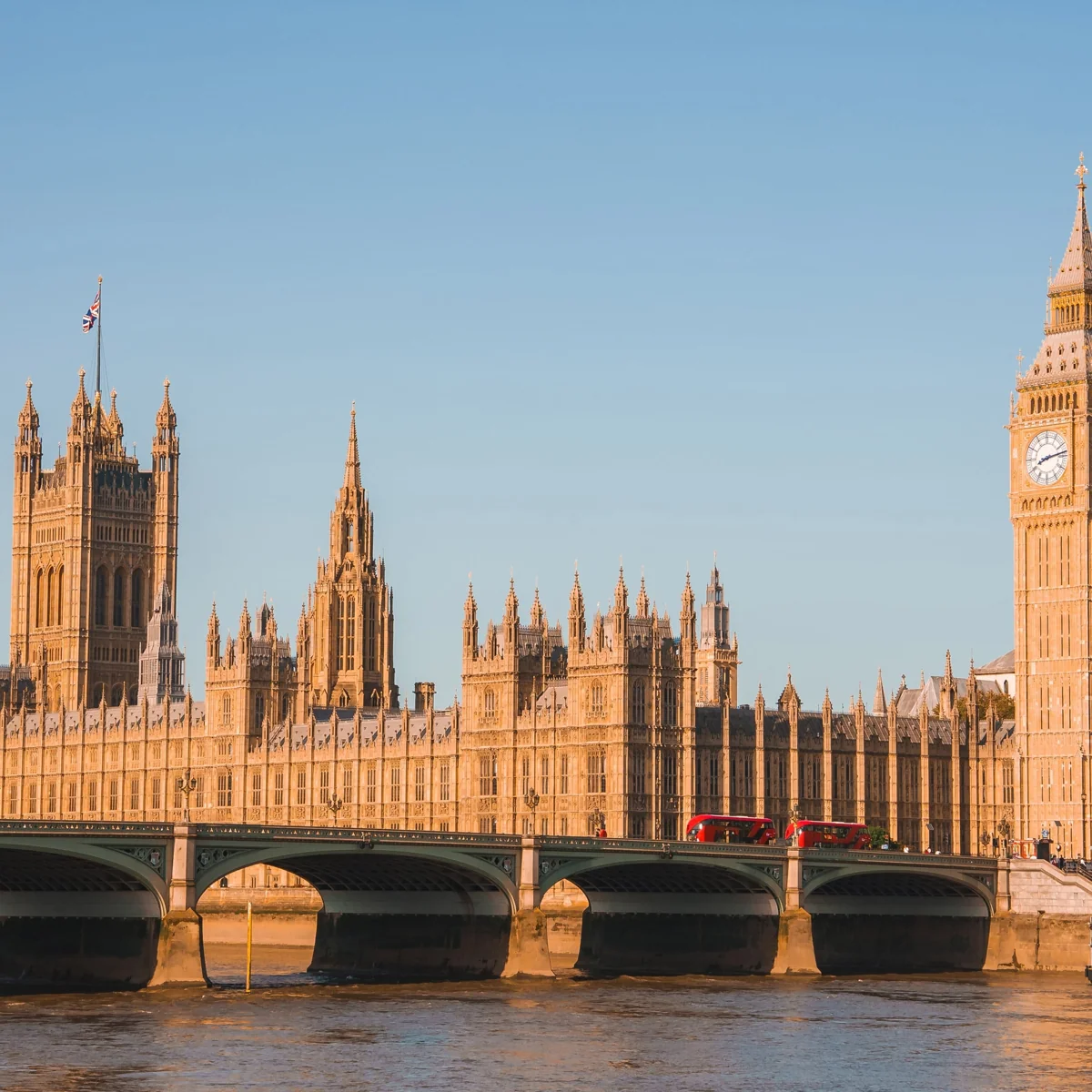
The Public Accounts Committee has warned that delays to restoring the Palace of Westminster are increasing fire and safety risks. Parliament voted in 2018 to leave the building for renovation, but disagreement over how far MPs and peers should move out has stalled progress. Dezeen
Key facts
The Guardian details leaking roofs, plumbing failures, deteriorating masonry and ageing electrics that require round-the-clock fire patrols. Dezeen
Parliament voted in 2018 to vacate for restoration, but disagreements over the extent of the move have continued. Dezeen
Continuing to operate within or around a major restoration changes access, sequencing and temporary accommodation requirements. Dezeen
Parliament's restoration delay carries growing risk
The Public Accounts Committee has warned that continuing delays to renovating the Palace of Westminster increase the risk of a major fire and drive up costs. Dezeen reports that maintaining the UNESCO-listed building could rise from £1.5 million to £2 million a week without action. Committee chair Geoffrey Clifton-Brown invoked the possibility of a Notre Dame-style disaster to emphasise the consequences. This is a warning about a serious and rising hazard, not a report that such a fire has already occurred.
Emergency maintenance cannot replace a full programme
The Guardian details leaking roofs, plumbing failures, deteriorating masonry and ageing electrics that require round-the-clock fire patrols. Continued maintenance helps keep the building usable and people safe, but the committee argues that it leaves the estate in managed decline. Each year of delay is estimated to add £420 million to restoration costs. The building's historic importance therefore intersects with an operational problem: maintaining parliamentary activity while a complex estate becomes more expensive to keep functioning.
Leaving the building offers one set of costs
Parliament voted in 2018 to vacate for restoration, but disagreements over the extent of the move have continued. One recommended strategy is a full departure, estimated to cost £11.1 billion to £15.6 billion and take 19 to 24 years. Plans described by the Guardian place the Commons in Richmond House and the Lords in the Queen Elizabeth II conference centre. The quoted programme duration should not be confused with a claim that every parliamentary activity would be displaced for precisely the same period. Reporting context: Dezeen
Partial occupation could prolong the project
The alternative recommended strategy involves staged or partial departure. Estimates range from £19.5 billion to £39.2 billion and potentially 38 to 61 years. Continuing to operate within or around a major restoration changes access, sequencing and temporary accommodation requirements. The figures remain broad estimates, not a settled contract price. Selecting an option requires parliamentary approval, with a major decision needed by 2030, and the committee wants the estimates scrutinised before members choose between such costly approaches. Reporting context: Dezeen
Accommodation and missing costs need attention
The PAC says some items still need clearer costing, including decommissioning, moving services and restoring the medieval cloister court. It also questioned estimates of £417 million for adapting the QEII centre and around £2 billion to prepare the northern estate for temporary use. The committee worries that the main programme is being shaped around accommodation availability rather than accommodation being arranged to meet its needs. A robust plan must therefore integrate the restoration and the practical arrangements for parliament to continue working elsewhere. Reporting context: Dezeen
Accountability is part of the repair
The committee calls for clearer governance, better engagement with MPs and peers, a detailed timetable and more complete estimates. It also recommends a new restoration and renewal select committee to hold senior officials accountable. A parliamentary spokesperson welcomed the scrutiny and said safety work was already taking place. The report does not choose the final scheme on parliament's behalf. It presses the institution to make an informed decision while recognising that delay itself has a measurable financial cost and an increasing risk to people and heritage.
Sources and editorial notes
This article compiles the linked reporting. Allegations, projections and research findings retain their original qualifications; this page does not represent independent field reporting or expert medical review.
- Dezeen (reporting)
- The Guardian (reporting)
November 17, 2026: Replaced repeated summary and FAQ templates, added source attribution and image description, and clarified the distinction between source publication and site edits. This editorial update is not an independent fact-check certification.