COP31’s failure concerned the main political agreement, not the disappearance of every outcome from the meeting. The BBC identifies separate disputes over fossil-fuel wording and adaptation finance, alongside narrower agreements that survived. A useful assessment keeps those negotiation results distinct from the longer-term scientific question of limiting warming. BBC News
Why the main political agreement failed
Countries have failed to reach a major new deal to tackle climate change after deep divisions over fossil fuels and money emerged at the UN COP31 talks in Turkey.
Negotiations were due to finish on Friday but ran late into Sunday in search of common ground, becoming the longest UN climate conference in history.
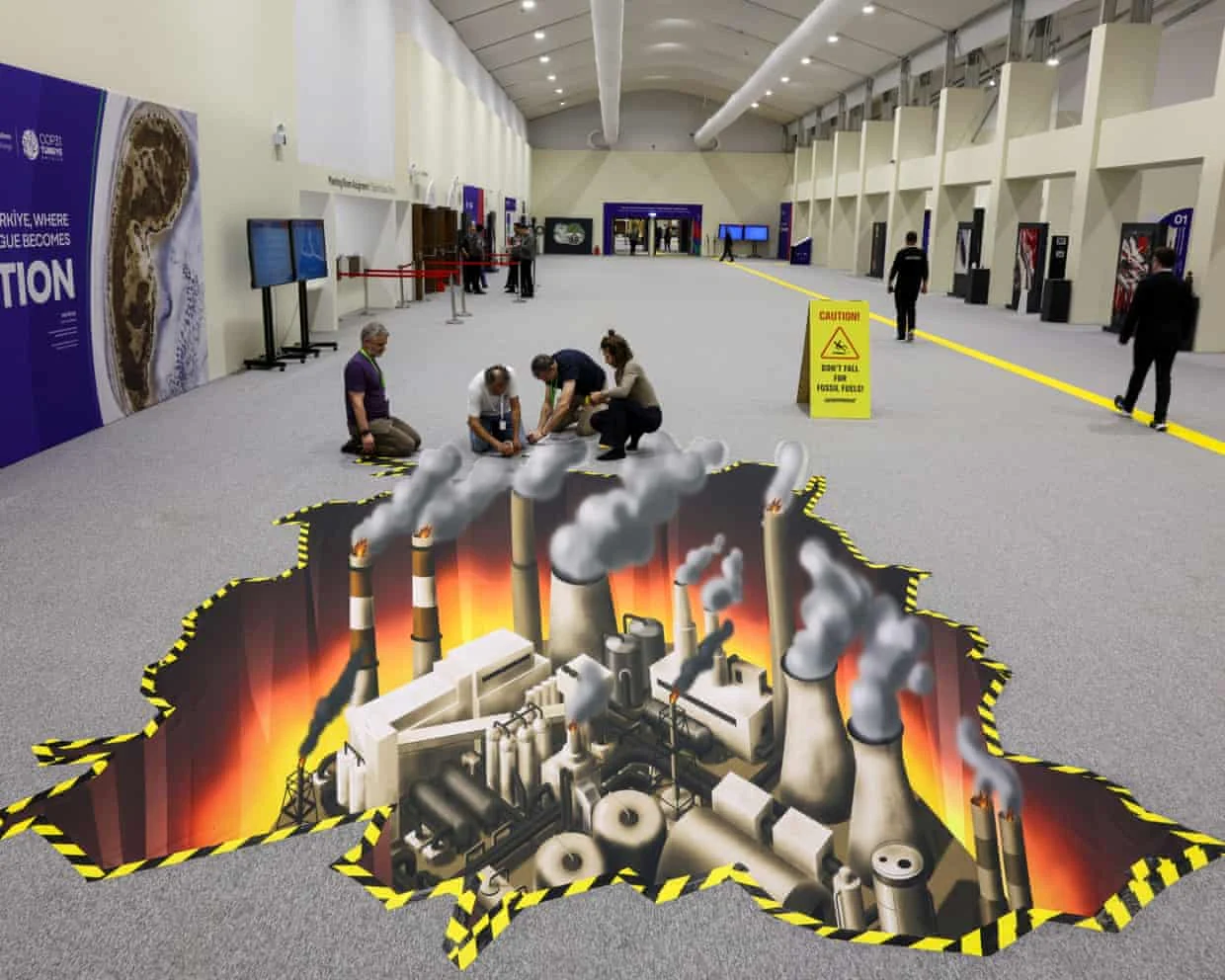
But the final deal proved unacceptable to the EU, Pacific island nations and others because it failed to directly mention fossil fuels, the main cause of global warming.
Meanwhile, many poorer countries objected to the absence of any clear financial commitments from richer nations to help them adapt to the impacts of rising temperatures.
The last time a COP's main political agreement collapsed like this was in 2009 in Copenhagen.
UN Secretary General Antonio Guterres, in his last COP before he steps down, said he was "deeply disappointed".
He took aim at what he called "powerful fossil fuel interests" who he said were taking "a page from Big Tobacco's playbook: distorting the science, delaying policy, blocking action, and piling up huge profits while people everywhere pay the price".
Australian Prime Minister Anthony Albanese, whose country co-hosted the talks, attributed the failure to "difficult geopolitical times".
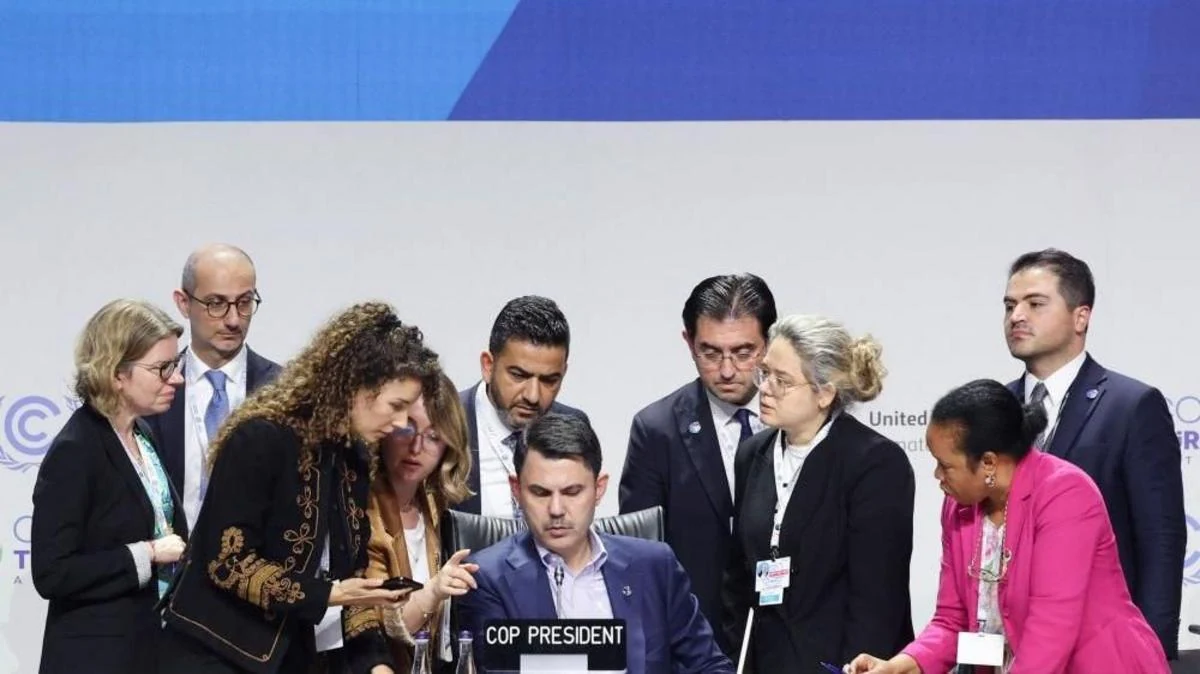
After two weeks of negotiations, exhausted delegates were presented with a new, draft deal in the early hours of Sunday to try to break the deadlock.
The dispute over fossil-fuel language
But the words "fossil fuels" did not appear anywhere in the text. The only indirect reference to coal, oil and gas was a nod to a deal agreed at COP28 in 2023, when countries agreed to "transition away" from fossil fuels in energy systems.
The EU's representative, Irish Minister Darragh O'Brien, made it clear that the EU "strongly" objected, saying that the "decisions go nowhere near the level of ambition needed to tackle climate change".
"It is unconscionable that we would have a climate pact that makes no mention of fossil fuels," he said.
Other countries, such as Panama and the Marshall Islands, also criticised the deal for doing nowhere near enough to tackle the pace of climate change.
A first draft of the deal on Monday mentioned "fossil fuel" or "fossil fuels" six times, but that was unacceptable to oil-producing nations.
Saudi Arabia's delegate Mohammad Ayoub said that Arab countries "continued to engage in good faith" but argued that they only accounted for a small proportion of historical greenhouse gas emissions.
Russia warned not to "turn to slogans" over coal, oil and gas, claiming that if countries moved away from fossil fuels too quickly it would lead to "fuel poverty".
The unresolved commitments on adaptation finance
Another major sticking point has been money for poorer countries to adapt to the impacts of climate change, such as more intense heatwaves and more severe droughts.
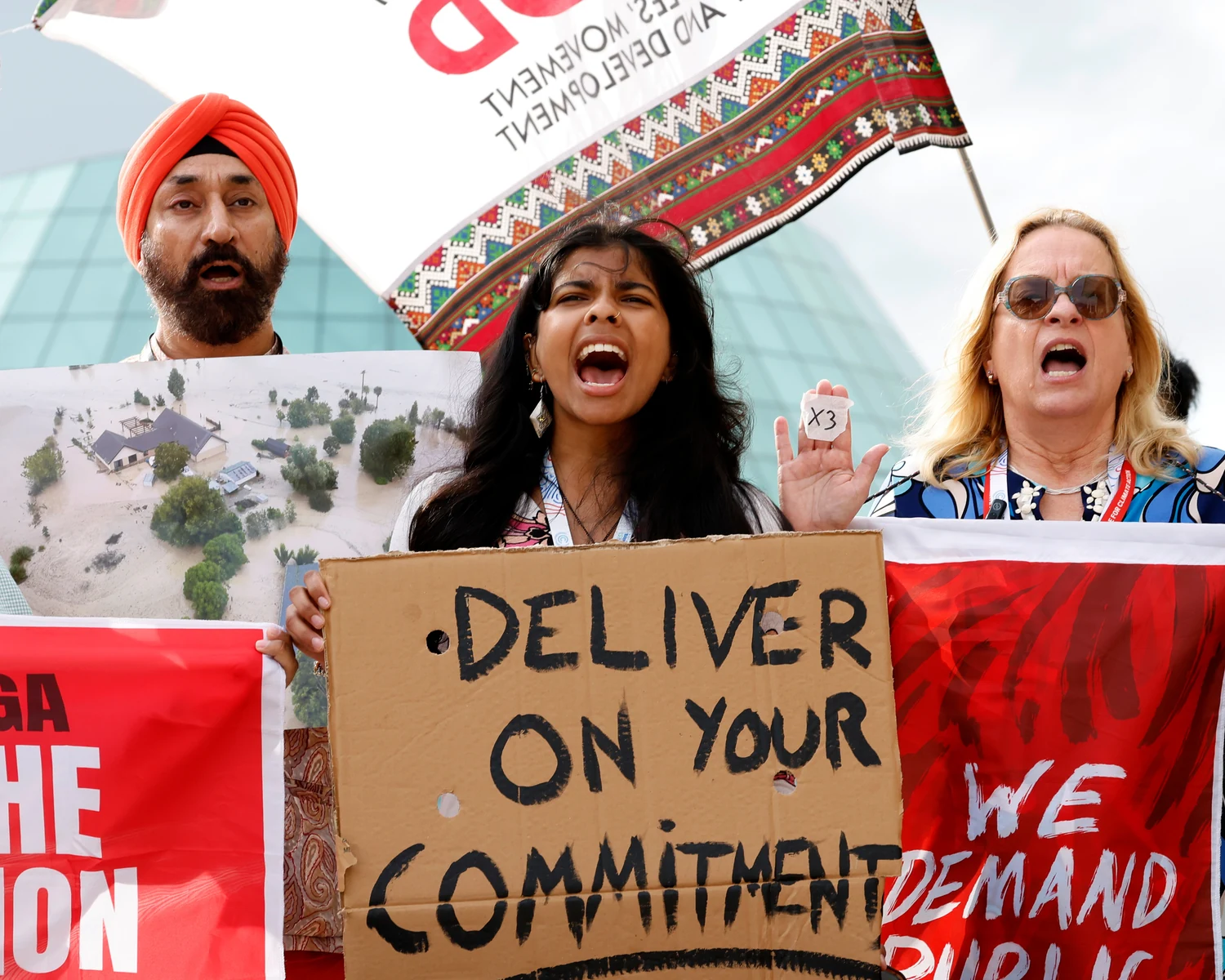
Last year at COP30 in Brazil, nations agreed to triple the finance for that purpose.
But this year's deal contained no reference to concrete figures, nor the baseline against which that pledge would be measured. This raised fears it would give richer nations too much wriggle room.
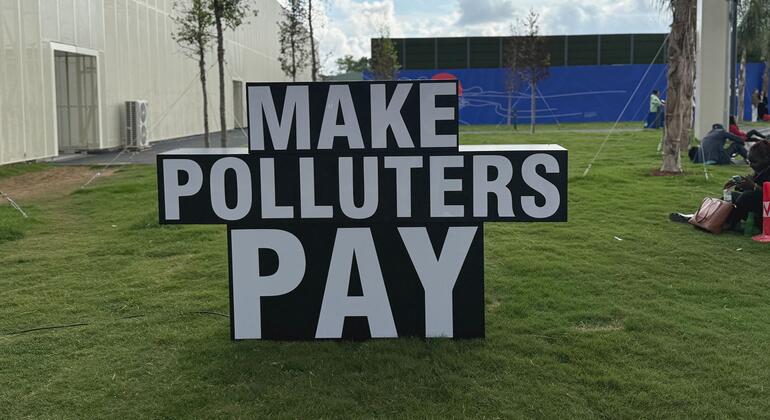
"Rich nations and polluting governments cannot keep arriving empty-handed," said Mohamed Adow of Power Shift Africa, an African climate and energy think tank.
The UK's Energy Secretary, Miatta Fahnbulleh, described the failure to reach a political agreement as "immensely disappointing".
"This only strengthens our resolve to work with partners around the world on the genuine progress made in Antalya on tackling the climate crisis," she said, adding that the UK's commitment was "unwavering".
The hosting arrangement and geopolitical divisions
While talks were hosted in Antalya in Turkey, Australia led the official negotiations - creating what some observers described as a chaotic dynamic.
Chris Bowen, Australian government minister and COP31 president of negotiations, said there were "unbridgeable red lines" in the discussions.
He pointed to "the most complicated and fraught geopolitical environment in living memory". At the same time, "the impacts of climate change are getting worse", he said, raising the stakes.
The 1.5C target and the consequences of overshoot
The year 2026 could end as the hottest on record and has brought extreme weather and natural hazards to much of the world, from summer heat and drought in Europe to flash flooding in Nepal.
And COP31 was the first annual UN conference to formally discuss how one of the key international targets for limiting climate change would be missed.
In the Paris talks of 2015, nearly 200 countries agreed to try to limit global warming to 1.5C above pre-industrial levels of the late 1800s, aimed at avoiding some of the worst effects of climate change.
The UN says the Paris deal has driven "near-universal" climate action. In the early 2010s, global warming of 4C or more was thought to be a serious possibility by the end of the century.
Now, the world is likely to limit warming to about 2.8C by 2100 based on current government policies, the UN says.
But action has not been fast enough to meet that Paris goal, with the world likely to "overshoot" 1.5C of long-term warming in the next few years.
Many countries say they are committed to eventually bringing warming back down to 1.5C, but that will require an ambitious ramping up of technologies - which do not yet exist at scale - to remove carbon dioxide from the atmosphere.
Agreements that survived and debate about the process
Although the main deal fell through, some agreements were reached, including progress on a "just transition mechanism" - a framework to support workers and communities as economies shift towards clean energy.
The COP31 president also said more than 80 countries backed Turkey's target to increase the share of global energy use met by electricity to 35% by 2035.
But following the weekend's events, some have questioned whether the UN climate process - which relies on consensus - can succeed in a geopolitically divided world.
The UN's climate chief, Simon Stiell, said he would seek advice on potential reform to the process, with the next conference scheduled for November 2027, COP32 in Ethiopia.
"[The consensus process] has worked to get us where we are," he told the BBC. "It got us through Paris... so it can work," but acknowledged it "fell short" on Sunday.
The UN climate process has "suffered setbacks before and come back stronger," Stiell told delegates. "It must do so again."
Frequently asked questions
Did COP31 produce a new global fossil-fuel agreement?
No. The reported final text did not directly mention fossil fuels, leaving the EU, Pacific island states and other countries dissatisfied.
Why did countries object to the proposed COP31 climate agreement?
The EU and several island nations objected to the absence of a direct reference to fossil fuels. Many poorer countries also objected to a lack of clear financial commitments for adapting to climate impacts. BBC News
Sources and editorial notes
This article compiles the linked reporting. Allegations, projections and research findings retain their original qualifications; this page does not represent independent field reporting or expert medical review.
- BBC News (reporting)
November 23, 2026: Corrected section boundaries, removed extraction debris and repeated summary text where present, and clarified source attribution or image descriptions. This is an editorial repair of the cited reporting, not independent reporting, product testing or specialist fact-check certification. November 23, 2026: Added source-linked reader questions and answers based on the reporting already compiled in this article. These questions are editorial selections, not measured search queries.