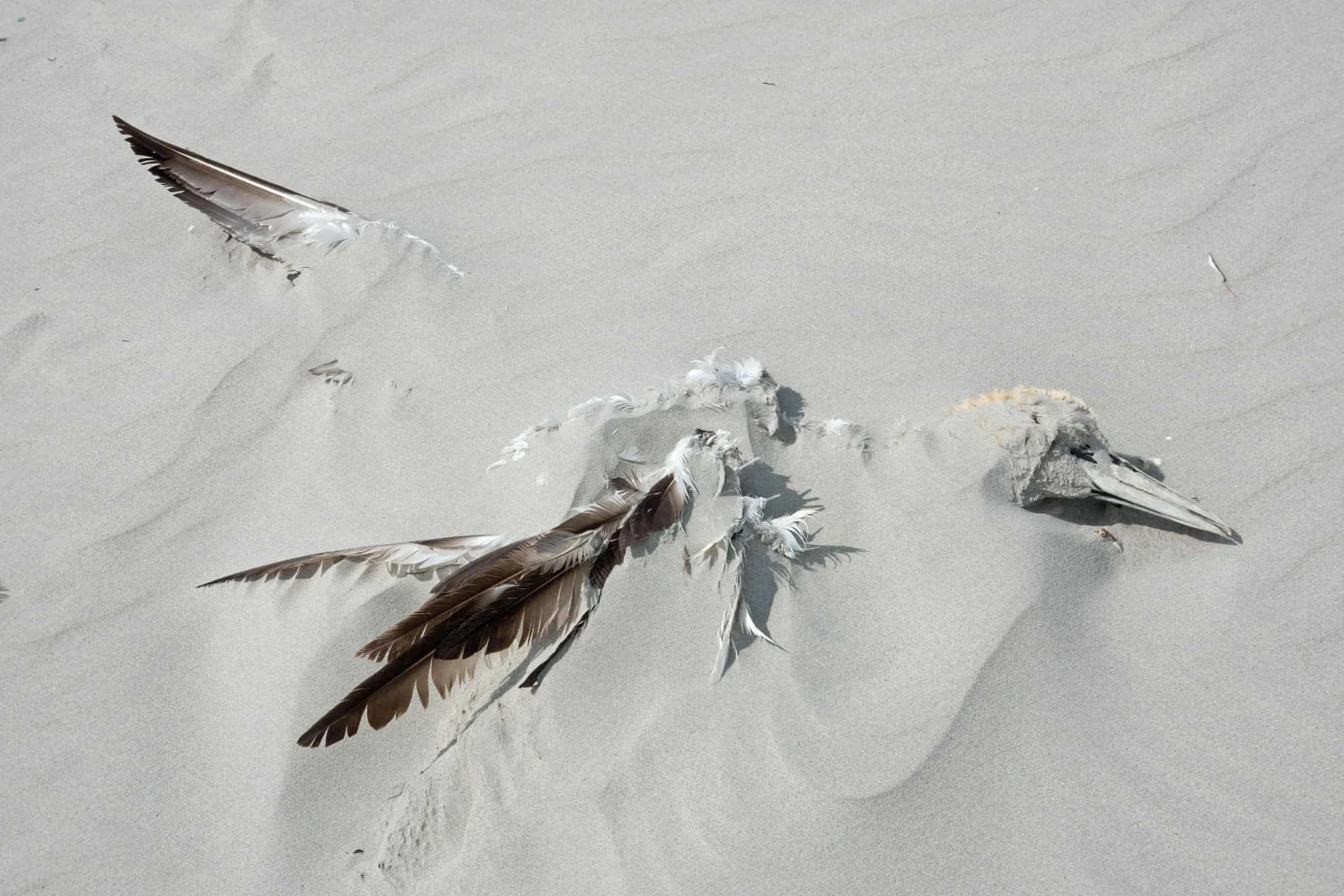
Scientists are assessing whether widespread H5N1 outbreaks could contribute to extinctions, following major losses among seabirds and marine mammals. The Guardian's investigation focuses on southern elephant seals and other affected species. The Guardian
Key facts
More than 53,000 female elephant seals had died on South Georgia by 2025, according to the report. The Guardian
The International Union for Conservation of Nature evaluates population decline, range and other indicators of extinction risk. The Guardian
The Guardian cites severe losses at major northern gannet colonies, including Bass Rock and Grassholm. The Guardian
Bird flu raises a harder conservation question
Mass deaths from H5N1 avian influenza are forcing conservation scientists to assess whether individual species face a lasting increase in extinction risk. The Guardian reports that southern elephant seals were moved from least concern to vulnerable in April, the first species whose status changed explicitly because of this virus.
The listing reflects more than distressing photographs. Assessors must establish how many animals have been lost, which parts of the population were affected and whether reproduction can replace those losses over the timescale used in conservation assessments.
Breeding females are central to the seal decline
More than 53,000 female elephant seals had died on South Georgia by 2025, according to the report. The island holds more than half the global breeding population, making deaths there important to the species as a whole. Reporting context: The Guardian
Some colonies have lost over 90% of newborn pups and around half of adult females. The combination matters because fewer surviving mothers can mean fewer pups in future seasons, extending the consequences beyond the initial outbreak. Reporting context: The Guardian
A red-list change takes evidence and time
The International Union for Conservation of Nature evaluates population decline, range and other indicators of extinction risk. Many species are reassessed only about once a decade, although birds receive more frequent attention through BirdLife International.
Deaths can occur faster than surveys and published analyses. Researchers also need a reliable population baseline. Without knowing the starting number, even an apparently large toll can be difficult to translate into a global percentage decline.
Local catastrophes do not always show the whole picture
The Guardian cites severe losses at major northern gannet colonies, including Bass Rock and Grassholm. A broader analysis, however, found that the north-eastern Atlantic population had declined by no more than 17% between 2013 and 2024. Reporting context: The Guardian
That does not make the local losses unimportant. It shows why assessors need evidence beyond the most visible sites before assigning a global category. Otherwise a listing could overstate or understate the species-wide trend and misdirect scarce conservation resources.
Other pressures complicate attribution
Food shortages, fisheries and climate conditions can overlap with disease. For African penguins, assessors identified food loss linked to fisheries and climate as the main drivers of deterioration, even though bird flu had also affected the species.
The effects also differ by sex and behaviour. In Antarctic fur seals, males were hit harder than breeding females, according to marine mammal researcher Jaume Forcada. That creates a different recovery prospect from an outbreak concentrated among adult mothers.
Macquarie illustrates the practical consequences
In August, the Australian Antarctic Division announced plans to withdraw station staff because witnessing possible mass seal deaths posed a serious wellbeing risk. The announcement preceded detection there; the Guardian subsequently corrected its article to note that H5N1 was detected in October.
The next red-list update is due on 26 November, with further proposals discussed in early 2027. Scientists caution against waiting for a category change before reducing other pressures, particularly for small island populations that have little margin for additional losses. Reporting context: The Guardian
Sources and editorial notes
This article compiles the linked reporting. Allegations, projections and research findings retain their original qualifications; this page does not represent independent field reporting or expert medical review.
- The Guardian (reporting)
- Australian Antarctic Division (reporting)
November 17, 2026: Replaced repeated summary and FAQ templates, added source attribution and image description, and clarified the distinction between source publication and site edits. This editorial update is not an independent fact-check certification.