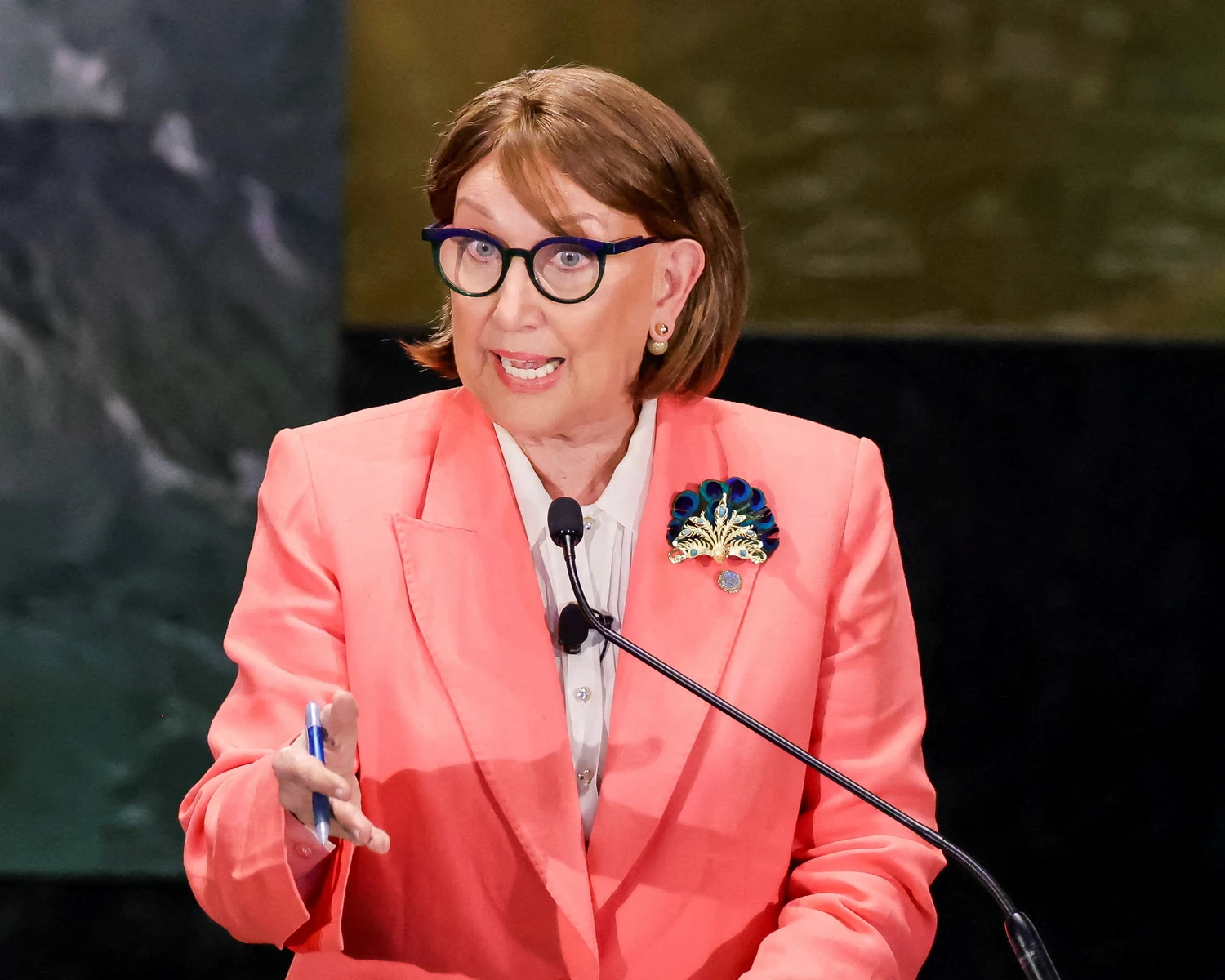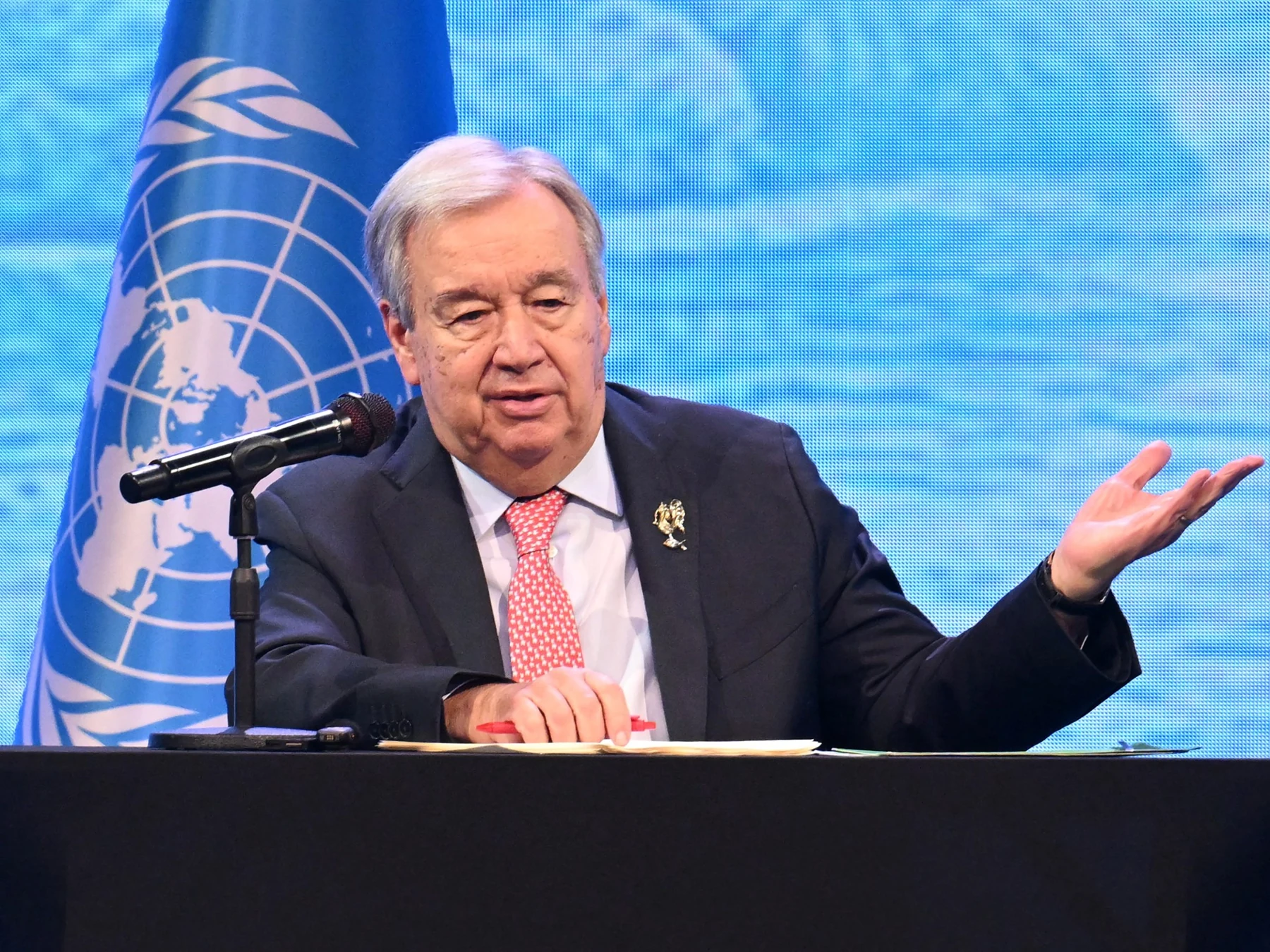
UN Secretary-General Antonio Guterres has urged governments to develop an inclusive multilateral framework for AI risk management within a year, Al Jazeera reports from the Bridgetown summit in Barbados. He called for credible independent oversight, shared safety measures and testing. The announcement is an appeal to member states: the report does not describe an adopted treaty, a new regulator with enforcement powers or a binding deadline imposed on AI developers.
Key facts
Guterres made the appeal at the Bridgetown Special Summit on AI Safety.
He called for a framework developed within the next year.
Shared testing and independent oversight were proposed starting points.
The report describes a diplomatic proposal, not a completed global agreement.
What Guterres is asking governments to do
At the Bridgetown Special Summit on AI Safety, Antonio Guterres called on UN member states to coordinate a globally inclusive approach to AI risk management. Al Jazeera reports his proposal for a principles-based multilateral framework developed within the next year and supported by independent, credible oversight.
The important verbs are coordinate and develop. This is a request for governments to negotiate a common approach, not an announcement that the negotiations have already produced one. The report gives readers a direction and an intended timetable, but not a final legal text, a list of binding obligations or the operating rules of a new international regulator.
What independent oversight would need to clarify
The proposal highlights shared safety measures, testing and basic requirements for independent oversight. Those ideas answer different questions. Testing concerns how a system's capabilities and risks are examined; oversight concerns who can inspect, question or act on the result. Calling a process independent does not yet explain its funding, access to evidence or enforcement powers.
A future agreement would therefore need to make those arrangements concrete. For readers evaluating today's announcement, it is useful to ask who would conduct tests, which systems would be covered and what happens when a developer or government disagrees. The report does not settle those design choices.
Why the one-year timetable is not a universal compliance deadline
Guterres asked governments to develop the framework within a year. That proposed diplomatic timetable should not be restated as “all AI companies must comply within twelve months.” A negotiated text, domestic implementation and operational enforcement are separate stages, and the current reporting does not announce completion of any of them.
The difference matters for businesses and ordinary users. An international appeal can shape policy discussions without immediately changing the terms under which a particular product is offered. Anyone deciding which obligations already apply needs to consult the laws and regulators relevant to their own jurisdiction rather than infer a new global rule from the summit speech.
Why the US-China competition complicates cooperation
Al Jazeera places the appeal against competition between the United States and China for AI leadership. Countries can agree that advanced systems pose risks while disagreeing about what should be tested, which evidence may be shared and how commercial or national-security information is protected. The article describes a starting point for coordination rather than a resolution of those tensions.
That makes the meaning of inclusion substantive. A framework described as globally inclusive would have to accommodate countries that build frontier models and those that mostly use imported systems. The proposal's value will depend partly on whether participation extends beyond the companies and governments already powerful in the field.
How this differs from the chip industry’s current news
AI governance and chip supply are connected, but they are not the same policy instrument. The Megaspeed export-control action concerns access to controlled technology and named counterparties. The UN proposal concerns cooperation over risks posed by AI systems. One does not automatically implement or replace the other.
Likewise, Jensen Huang's return to Nvidia changes corporate leadership without deciding the content of international safety standards. Reading these developments together is useful because they involve overlapping institutions, but their legal effects and evidential status remain different.
What would count as progress after the summit?
A published negotiating process, identified participating governments, an agreed testing remit and a draft oversight structure would make the proposal more concrete. Later reporting should distinguish those milestones from general expressions of support. Announcing a meeting or endorsing a principle is not the same as committing to a working inspection system.
For now, the supported conclusion is narrower and clear: the UN chief has proposed an ambitious timeframe and a cooperative direction. There is no adopted universal rule in the source reviewed for this article. Readers can judge future progress by whether the institutions, powers and participation become specific enough to evaluate.
Frequently asked questions
Does the UN announcement create a new global AI law now?
No such adoption is reported here. Al Jazeera describes Guterres urging governments to develop a framework. A speech proposing cooperation is distinct from an adopted treaty, domestic legislation or an operational regulator with defined enforcement powers.
Do AI companies have a new one-year compliance deadline?
The report does not describe an automatic one-year legal compliance deadline for companies or AI users. Guterres is calling for member states to develop a multilateral AI risk-management framework within that period. report
Would the proposal replace the AI rules my business already follows?
No replacement is established by the summit reporting. National rules and any future international framework have different legal foundations. A business should not treat the announcement as permission to disregard obligations that already apply in its jurisdiction.
Who would oversee AI, and would the body be independent of the industry?
Independent and credible oversight is part of the proposal. However, the report does not provide its institutional design, funding or enforcement powers. Those details would determine how independence works in practice rather than merely how the framework is described. Al Jazeera
At a glance
| Issue | Verified position | Limit or next step |
|---|---|---|
| Proposal | Multilateral AI risk-management framework | Member states would need to agree |
| Timeframe | Development within a year requested | Not a universal company deadline |
| Oversight | Independence and credibility sought | Powers and institutional design unspecified |
| Current legal status | Diplomatic appeal reported | No adopted global law established |
Sources and editorial notes
This article compiles the linked reporting. Allegations, projections and research findings retain their original qualifications; this page does not represent independent field reporting or expert medical review.
- Al Jazeera (reporting)
Published on 24 November 2026 after reviewing the linked sources. This is an independently worded editorial synthesis, not an original interview or field report. Earlier articles remain dated historical coverage. November 24, 2026: Revised the FAQs to prioritise reader impact and practical questions using the cited material. The original reporting date is unchanged.