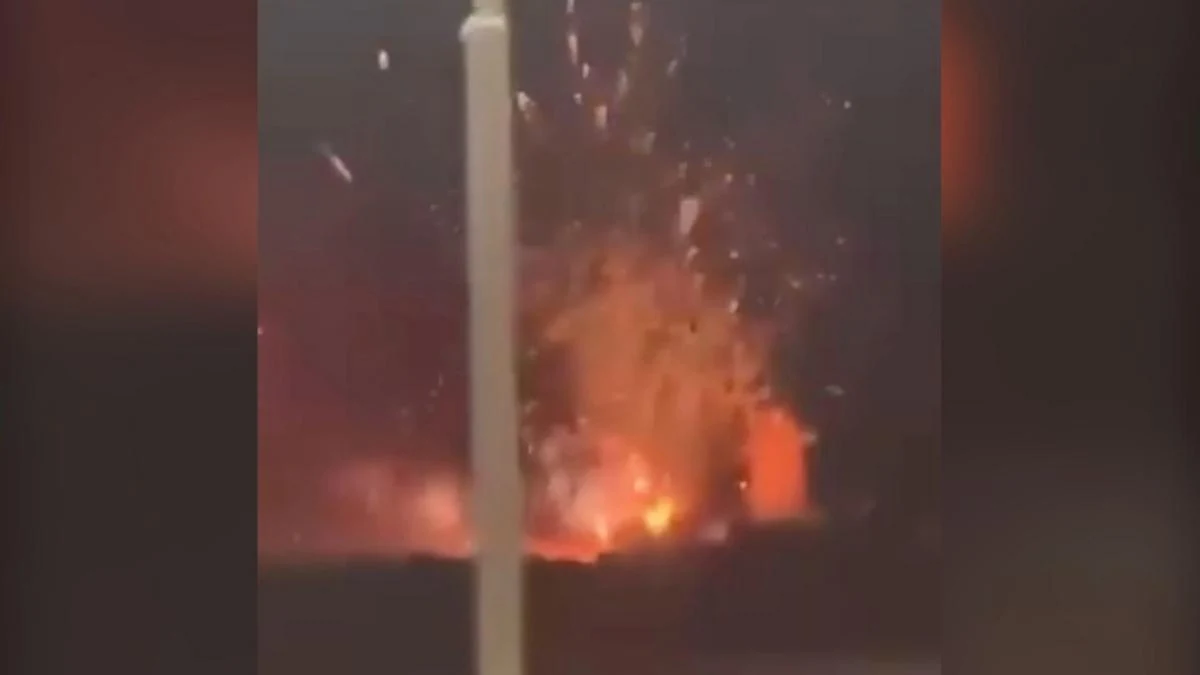
Ukraine has acknowledged a naval-drone operation against Russian vessels in Benghazi, according to BBC and Guardian reporting. Libya’s Tripoli-based, UN-recognised government has condemned foreign military operations in Libyan territory or waters and demanded an explanation. The military claim, the reported damage and Libya’s sovereignty objection are separate elements of the story. They do not establish that Libya has joined the Russia-Ukraine war or that NATO has announced a new intervention.
Key facts
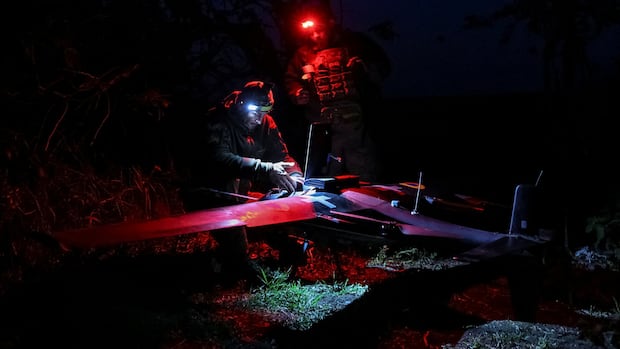
Ukraine’s SBU said seven naval drones were launched from a mothership.
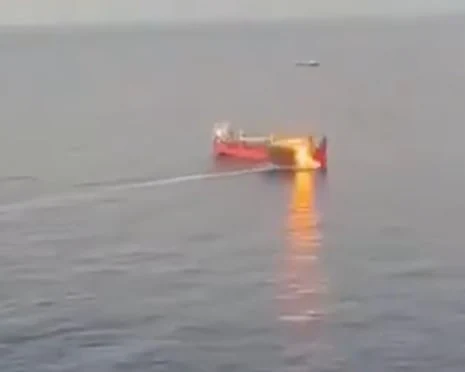
The Guardian reports the corvette Merkury and a cargo vessel were struck.
Libya’s UN-recognised government condemned the operation and sought an explanation.
BBC analysis places the strike within an already widening geography of the war.
What the latest reporting says happened
The Guardian briefing says Ukraine confirmed deploying naval drones against two Russian vessels near Benghazi. It reports that the corvette Merkury exploded and sank at the port and a cargo vessel was also hit. Ukraine said the cargo vessel was being used to transport weapons. The SBU's account describes seven domestically made drones launched from a mothership.
Those details should retain their sources. A military service's explanation of how an operation was conducted is not the same as an independently published investigation of every stage. The report also describes video released by Volodymyr Zelenskyy, but the existence of video does not by itself settle every operational or legal question.
Why Libya’s objection is not a minor footnote
The Tripoli-based foreign ministry of Libya's UN-recognised government condemned foreign military operations in the country's territory or territorial waters and demanded an explanation from Kyiv. That response is central to the latest update. It raises a sovereignty issue beyond the immediate question of whether a Russian ship was a valuable military target.
BBC News also notes concern from the UN mission in Libya. Its analysis explains that Benghazi is in the east, where forces led by Khalifa Haftar have ties to Moscow. That divided political setting helps explain why a Russian vessel's presence and Tripoli's objection cannot be reduced to a simple claim that “Libya approved the attack.”
How far beyond Ukraine the conflict now reaches
The BBC places the Benghazi strike alongside long-range attacks and alleged or acknowledged operations elsewhere in Europe and Africa. Its central point is that the geographical spread did not begin with this one incident. Ukraine and Russia have already been contesting supply routes, military assets and infrastructure beyond the immediate land battlefield.
That context is useful, but it needs limits. Different incidents have different evidence and attribution. An acknowledged Ukrainian operation, an unidentified drone and a government allegation of sabotage should not be bundled together as if they all had the same evidential status. A broader pattern does not independently verify each example within it.
Why a military ship and a cargo ship raise different questions
The Guardian describes a warship and a dry cargo vessel; Ukraine says the latter carried weapons. Readers should preserve that distinction. A claim about the cargo vessel's use requires its own evidence, while discussion of a naval target does not automatically answer questions about commercial shipping or the consequences for a port in a third country.
The BBC highlights concern about precedents for attacks around nominally neutral harbours. This article does not supply a legal ruling on the operation. Assessing legality would require the relevant facts and legal framework, including issues that cannot be resolved merely by viewing footage of an explosion or repeating the attacker's description of a target.
What the two reports add when read together
The Guardian's dated briefing contributes Ukraine's account and Libya's formal objection. The BBC contributes a wider analysis of the war's geographical reach and the risks perceived by countries outside the main battlefield. These are complementary forms of reporting, rather than two independent confirmations of every operational detail.
The distinction also prevents an exaggerated headline. The reporting supports saying that the conflict's effects reach well beyond Ukraine and that Libya objects to an operation on its territory. It does not establish a new Libyan declaration of war, an agreed NATO response or a published international judgment on the strike.
Which developments are still worth watching
Further statements from Libyan authorities, the UN mission, Ukraine and Russia could clarify the diplomatic consequences. Independent evidence about vessel damage, cargo and the operation's route would answer different questions from political praise or condemnation. Those details should be incorporated only when supported, not predicted into the present account.
For now, the most useful way to read the story is in three layers: the claimed operation, the reported physical result and the response of the country where it occurred. Keeping those layers separate gives readers a clearer picture of escalation without asserting that every feared consequence has already happened.
Frequently asked questions
Does the Benghazi strike mean Libya has entered the war?
The reports reviewed here do not establish that. A foreign ministry condemnation and demand for an explanation are not a declaration of war. The current briefing should not be expanded into claims about a new formal alliance or intervention.
Has Ukraine acknowledged carrying out the strike?
Yes. The Guardian briefing reports confirmation from Ukraine and describes an SBU account involving naval drones. That acknowledgement does not independently verify every operational detail, the cargo of every vessel or the full damage assessment.
Why is Libya objecting to an attack on Russian ships?
The Tripoli-based government objects to foreign military operations in Libyan territory or waters. Its sovereignty concern is separate from the nationality of the ships. BBC News also describes Libya’s divided political setting and concern from the UN mission.
Has an authoritative ruling settled whether the strike was lawful?
No legal judgment is established by these reports. The status of the targets, the location, the relevant consent and other facts would matter. BBC analysis discusses concern about the precedent; it does not substitute for a court or other authoritative legal determination.
At a glance
| Issue | Verified position | Limit or next step |
|---|---|---|
| Operation | Ukraine acknowledges a naval-drone strike | Operational details remain attributed |
| Targets | Warship and cargo vessel reported hit | Cargo claim comes from Ukraine |
| Libyan response | UN-recognised government objects | Not a declaration of war |
| Wider consequences | Concern about geographical spread | No new NATO intervention established |
Sources and editorial notes
This article compiles the linked reporting. Allegations, projections and research findings retain their original qualifications; this page does not represent independent field reporting or expert medical review.
- The Guardian (reporting)
- BBC News (reporting)
Published on 24 November 2026 after reviewing the linked sources. This is an independently worded editorial synthesis, not an original interview or field report. Earlier articles remain dated historical coverage. November 24, 2026: Revised the FAQs to prioritise reader impact and practical questions using the cited material. The original reporting date is unchanged.