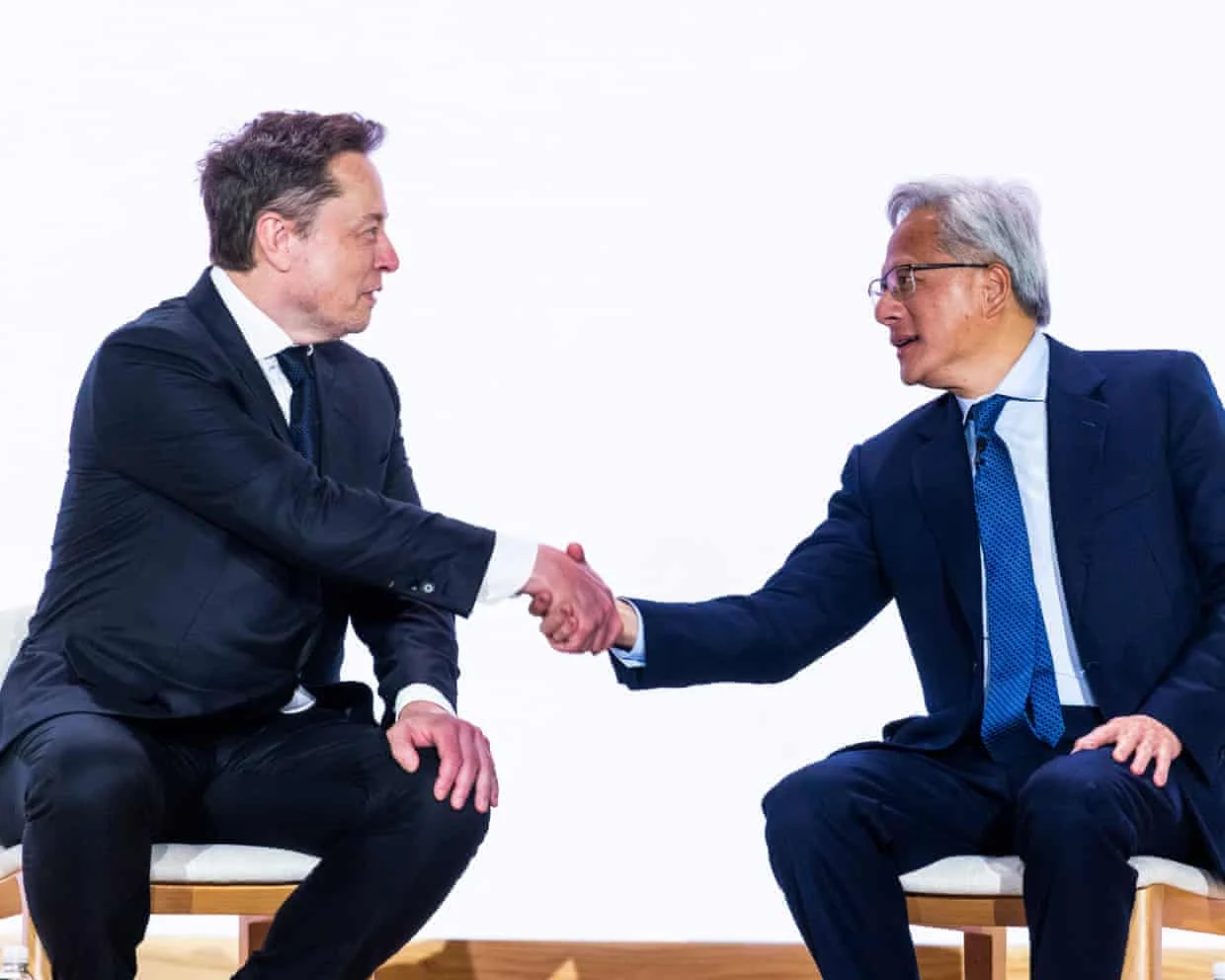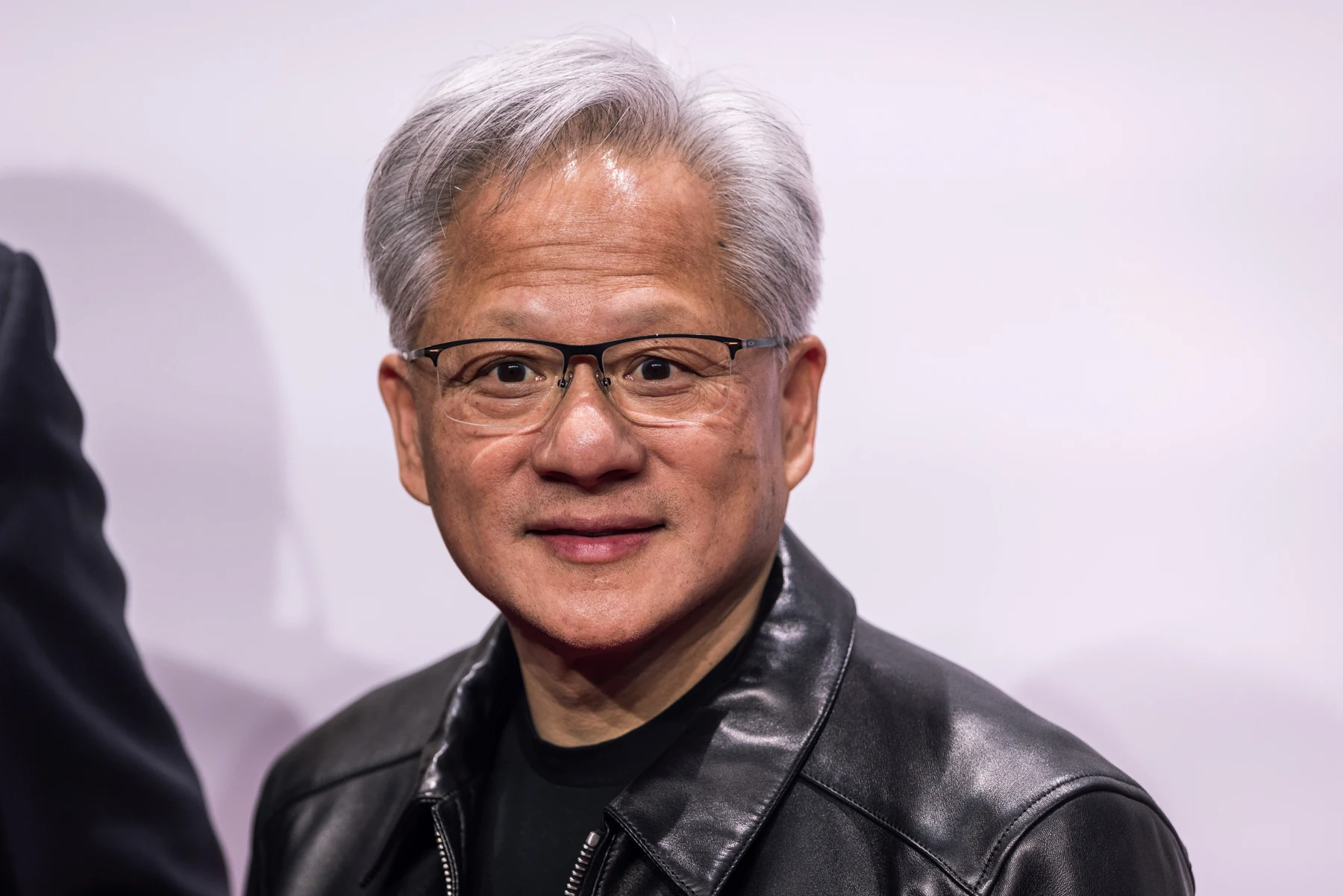
Nvidia has reinstated co-founder Jensen Huang as president, chief executive and a board director, according to its official announcement. The board says the decision was unanimous and informed by senior US government input. Reinstatement is a management decision, not the conclusion of the separate investigation: the company explicitly says its independent committee will continue its work. Market gains and White House support should therefore be read separately from the unresolved compliance and governance questions.
Key facts
Nvidia restored Huang as president, CEO and a director with immediate effect.
Colette Kress remains chief financial officer after serving as interim CEO.
The board says its independent investigation will proceed to conclusion.
NPR reported shares rose more than 30%; the Guardian described a 32% surge in its coverage.
What has Nvidia actually announced?
The most concrete development is in Nvidia board announcement: Nvidia's board voted unanimously to restore Huang as president, chief executive and a director, effective immediately. Harvey C. Jones remains board chair. The statement thanks Colette Kress for serving as interim CEO while continuing as chief financial officer. Those are changes in management responsibilities, rather than a general statement that the preceding controversy has been resolved.
The company says directors held discussions with Huang and received input from senior levels of the US government. It presents the resulting judgment about national security risk as the board's conclusion based on that input. Readers should keep that attribution attached to the claim.
Why the return is also a governance story
The same announcement that restores Huang says the independent directors' investigation will continue to its conclusion, with outside counsel assisting. Nvidia also describes a separate National Security and Export Control Committee and a search for a chief compliance officer. In other words, leadership has been restored while oversight arrangements remain active.
That combination explains why applause from employees or investors cannot answer every question raised by the episode. NPR reports both support for the return and criticism from people concerned about conduct and accountability. Those are competing interpretations of the decision, not evidence that the committee has already reached a finding.
How to read the reported market rebound
NPR describes Nvidia shares rising more than 30% on Monday; The Guardian gives a 32% increase in its report. These descriptions should not be converted into different claims about a live price. One is a broad threshold and the other is a more specific figure in coverage of the same trading-day rebound. Neither supplies a quotation that stays current indefinitely.
The useful comparison is between what the market appears to be rewarding and what remains unsettled. A sharp rebound can reflect investors' reassessment of leadership continuity and the AI trade. It does not itself establish that a legal allegation is true or false, or that export-control checks have been completed.
Where the White House fits into the decision
The company's statement confirms government input without publishing a transcript of the conversations. NPR reports that Donald Trump publicly claimed a role in persuading the board. The Guardian also describes White House celebrations and calls from lawmakers for greater disclosure. These accounts support reporting that political influence is part of the story; they do not turn every account of a private discussion into a verified record.
BBC News places the reversal in the wider relationship between advanced chips, AI investment and US-China policy. That context explains why the announcement reaches beyond a normal executive appointment. It does not remove the distinction between the president's advocacy and the board's continuing responsibility for its decision.
Why Megaspeed is a separate development
Reports about Huang's return overlap with the US investigation of Megaspeed, but the two events have different legal meanings. Nvidia appointing a chief executive is a company action. Government restrictions on exports concern whether controlled products may be supplied to specified entities, and a criminal investigation is a further, separate process.
Our Megaspeed explainer compares those tracks. Keeping them separate avoids a misleading inference in either direction: reinstatement does not automatically end an investigation, while the investigation of another company does not by itself prove personal wrongdoing by an executive.
What would materially change this account?
The next substantial evidence would be a published result from the independent inquiry, an official compliance action or a detailed disclosure about the board's safeguards. Those would answer different questions from a celebratory employee video or a fresh intraday share-price move. The official announcement already commits to continued cooperation with government inquiries, so completion should be judged against that stated process.
For readers returning to earlier coverage, the November resignation stories remain historical reports. This page records the subsequent reinstatement and links the two stages through their dates. It does not silently replace the earlier event with a new one or present unresolved allegations as established findings.
Frequently asked questions
Is Jensen Huang back in charge of Nvidia?
Yes. Nvidia says Huang has returned as president, CEO and a director with immediate effect following a unanimous board vote. Harvey Jones remains chair, and Colette Kress continues as CFO. These roles are stated in the company announcement, rather than inferred from social-media reports.
Does Huang’s reinstatement mean the investigation is finished?
No. Nvidia explicitly says the independent committee investigation will proceed to conclusion and Huang will cooperate. Reinstatement and the inquiry are separate tracks. The board statement does not publish a final investigation report or announce that every compliance question has been closed.
Is Colette Kress leaving Nvidia after serving as interim CEO?
The announcement says she continues as chief financial officer and thanks her for serving as interim CEO. Huang resumes the CEO role; the company does not describe Kress as leaving Nvidia. announcement
Why do the reports describe Nvidia’s share-price rebound differently?
NPR uses “more than 30%”, while the Guardian describes a 32% surge. The broad and more specific figures are not inherently contradictory. They are reported market observations, not a continuously updated quote or evidence about the outcome of an investigation.
At a glance
| Issue | Verified position | Limit or next step |
|---|---|---|
| Leadership | Huang restored as CEO, president and director | Independent of the inquiry outcome |
| Interim management | Kress continues as CFO | Huang resumes the CEO role |
| Investigation | Independent committee continues | No final findings announced here |
| Market reaction | Reports describe a rise above 30% | A dated observation, not a live quote |
Sources and editorial notes
This article compiles the linked reporting. Allegations, projections and research findings retain their original qualifications; this page does not represent independent field reporting or expert medical review.
- The Guardian (reporting)
- Nvidia board announcement (primary)
- NPR (reporting)
- BBC News (reporting)
Published on 24 November 2026 after reviewing the linked sources. This is an independently worded editorial synthesis, not an original interview or field report. Earlier articles remain dated historical coverage. November 24, 2026: Revised the FAQs to prioritise reader impact and practical questions using the cited material. The original reporting date is unchanged.