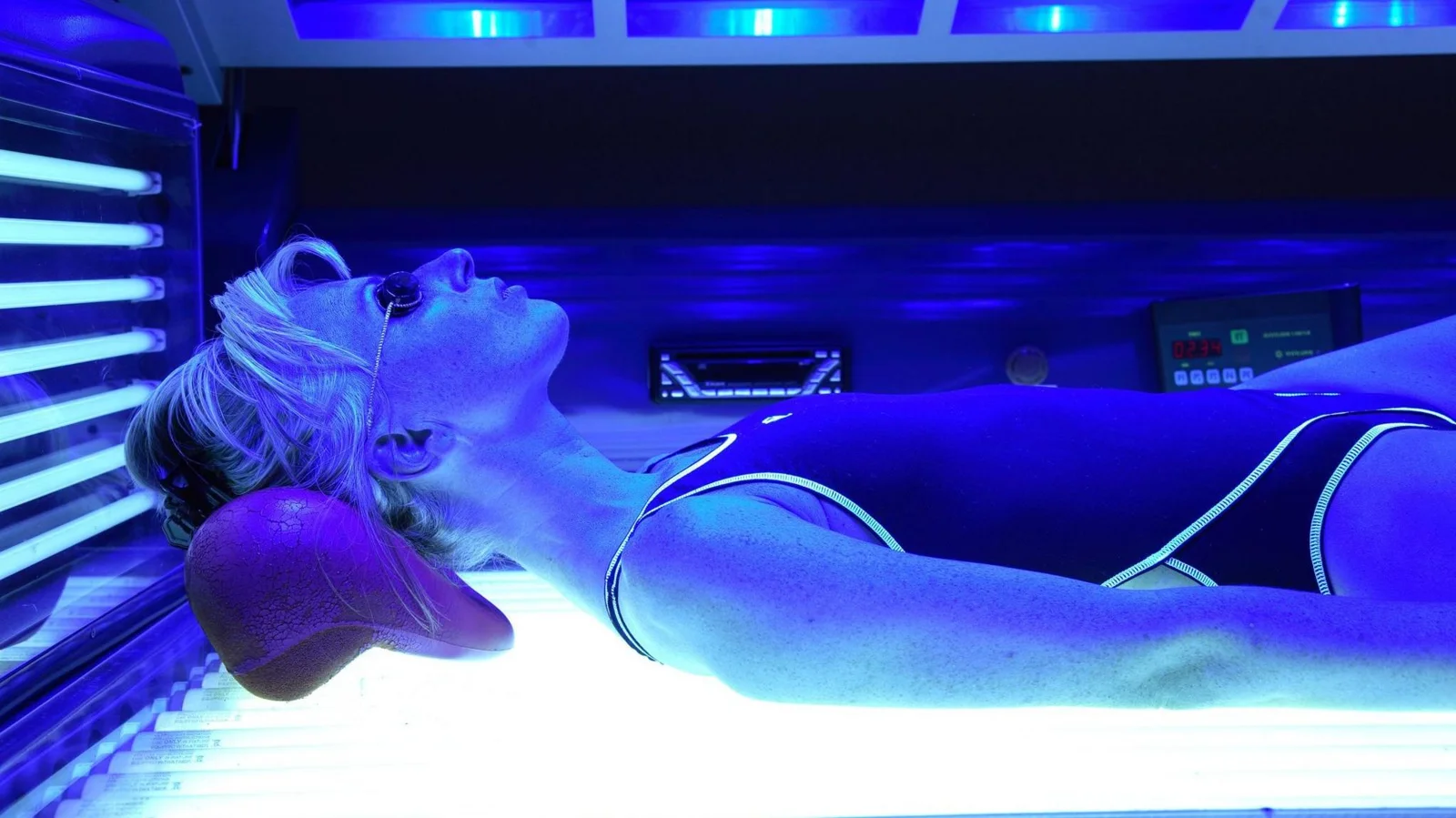
The Committee for Advertising Practice has warned UK tanning businesses against misleading claims about sunbeds. Its enforcement notice says advertisers must not imply that tanning beds are safe or downplay their cancer risks. BBC News
Key facts
The Committee of Advertising Practice writes the relevant advertising code, while the Advertising Standards Authority enforces it. BBC News
A consumer seeing a tanning promotion described as a treatment for a health problem receives a different message from someone seeing a straightforward cosmetic advertisement. BBC News
Sunbeds are subject to rules including a ban on use by under-18s and limits on ultraviolet strength. BBC News
Sunbed businesses face an advertising deadline
UK sunbed companies have been told to remove misleading health claims from their advertising, after regulators identified promotions presenting tanning as beneficial for problems such as eczema, low mood and low energy. The enforcement notice applies across the UK, with businesses given until 7 December 2026 to comply. Reporting context: BBC News
The BBC found hundreds of social media videos making such claims. The notice addresses the way sunbeds are sold to consumers, including suggestions that using them is healthy or safe, rather than simply the wording of one advertisement.
How the advertising rules work
The Committee of Advertising Practice writes the relevant advertising code, while the Advertising Standards Authority enforces it. Five advertisements had already been banned earlier in the year for claims involving conditions including depression and osteoporosis.
The new action gives the industry a wider instruction: sunbed advertising must not promote health benefits, including vitamin D benefits, or imply that exposure is safe. Regulators plan to use artificial intelligence tools to monitor advertisements after the deadline and consider further action against businesses that continue to breach the rules.
Why health language changes the message
A consumer seeing a tanning promotion described as a treatment for a health problem receives a different message from someone seeing a straightforward cosmetic advertisement. References to mood or a skin condition can suggest a medical benefit and encourage repeated exposure.
The enforcement notice challenges that implication. It does not require someone to prove that a particular viewer was harmed before an advertisement can be misleading; the issue is whether the claims themselves comply with the advertising rules.
Legal operation and health risk are different questions
Sunbeds are subject to rules including a ban on use by under-18s and limits on ultraviolet strength. Those operating restrictions do not establish that a session is free of risk. Cancer charities warn that ultraviolet exposure from sunbeds can increase the risk of melanoma and other skin cancers. Reporting context: BBC News
The BBC report includes concern that health-themed marketing is particularly persuasive when it appears in ordinary social media content. A familiar platform and informal presentation do not provide evidence that a claimed benefit has been established.
The industry's response
Gary Lipman of the Sunbed Association supported action against misleading claims while arguing that businesses should be able to describe responsible operation. The association represents around half of salons and sets member guidance, including screening and a stated maximum of 60 sessions a year. Reporting context: BBC News
Those are industry practices, not a finding that any particular number of sessions is medically safe. The tension is between describing how a regulated service operates and advertising it as something that improves health.
Where consumers can check the claims
The Teenage Cancer Trust's Rosie Vare urged people to use trusted information such as NHS guidance rather than relying on promotional videos. The immediate change to watch is whether businesses remove health and safety claims from their accounts, websites and advertisements by the deadline.
The wider significance is practical: tanning businesses will need to sell their service without presenting ultraviolet exposure as a remedy for illness or a route to better wellbeing.
The biology behind the advertising restriction
Cancer Research UK explains that ultraviolet radiation can damage DNA in skin cells and that this damage can accumulate even when it is not immediately visible. A tan is a response to that injury, rather than proof of a beneficial effect.
The charity also rejects sunbeds as a recommended way to obtain vitamin D. In the UK winter, NHS advice is to consider supplements. This context makes the advertising issue concrete: a promotion may highlight a proposed benefit while omitting the damage associated with the exposure used to obtain it.
Sources and editorial notes
This article compiles the linked reporting. Allegations, projections and research findings retain their original qualifications; this page does not represent independent field reporting or expert medical review.
- BBC News (reporting)
- Cancer Research UK (reporting)
- NHS: Sunscreen and sun safety (guidance)
November 17, 2026: Replaced repeated summary and FAQ templates, added source attribution and image description, and clarified the distinction between source publication and site edits. This editorial update is not an independent fact-check certification.