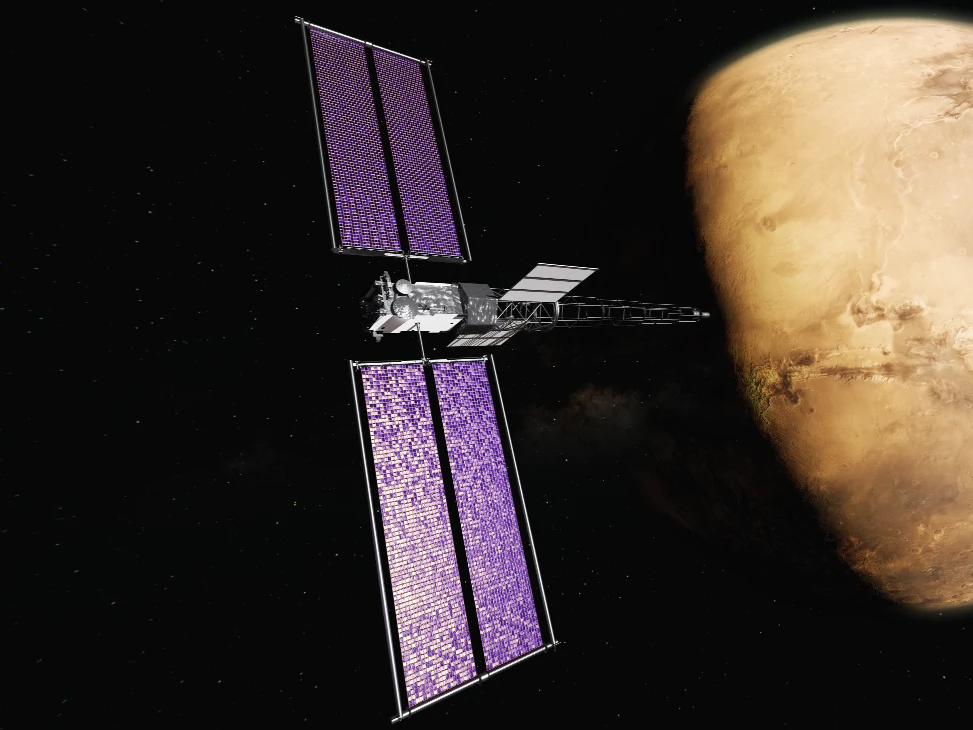
As of November 27, 2026, SpaceX has conditional US authorisation for Starmind, a proposed orbital computing network of up to one million spacecraft. The November 25 order permits specified backup radio links and sets deployment milestones through 2040. Satellites operating above 600 kilometres require a final debris-plan modification filing before deployment. Permission does not demonstrate that orbital AI computing will be affordable, thermally workable or acceptable to astronomers.
Key facts
The regulatory document is DA 26-1273, under spacecraft call sign S00798.
Backup downlinks occupy 18.8–19.3 GHz; the corresponding uplink range is 28.6–29.1 GHz.
The proposed shells span 500–1,002 kilometres, with individual shells 50 kilometres deep.
Twice-yearly reporting covers January 1 and July 1 submissions.
What the FCC licence actually covers
The Federal Communications Commission approved a conditional constellation, rather than certifying the commercial or engineering success of a million orbital computers. Its November 25 decision, DA 26-1273, grants parts of SpaceX’s application while deferring others. Starmind is the name given to the proposed network of computing spacecraft. The distinction matters because a licence describes permitted operations and obligations; it is not evidence that those operations have already been built, tested or financed.
The radio permission is narrower than the phrase “data centres in space” might suggest. It covers backup and emergency telemetry, tracking and command, commonly shortened to TT&C: the links used to monitor spacecraft and send operating instructions. The plan relies primarily on optical connections, including links through Starlink. Authorised radio traffic uses 18.8–19.3 GHz toward Earth and 28.6–29.1 GHz toward space. Those bands are to be used without demanding interference protection or causing harmful interference. These conditions should travel with any account of the approval; omitting them changes what readers understand the regulator to have allowed.
A deployment ceiling is different from a launch forecast
The million-spacecraft figure is an authorised maximum, with staged licence deadlines extending to November 25, 2040. The initial milestone is remarkably small compared with that ceiling: one operational spacecraft by November 25, 2033. The order then requires 10% of the authorised system by 2035 and half by 2038. Expressed as counts, those later thresholds are 100,000 and 500,000 spacecraft, not 10 and 50 satellites.
These are regulatory backstops, not a prediction of the company’s annual launch output. Space.com’s reporting describes a company ambition for an initial launch in the third quarter of 2027. An earlier corporate target can coexist with a later legal deadline; neither proves that a launch will occur on schedule. The 15-year licence term also does not simply run from the announcement date. It begins when SpaceX certifies its first compliant operational Starmind spacecraft. Readers tracking progress should therefore separate three dates: a planned first flight, the first certified operations, and the required constellation milestones.
Why the 600-kilometre boundary matters
Satellites planned above 600 kilometres face an additional debris-plan filing before deployment, so the higher-altitude portion cannot be treated as an unconditional operational clearance. The FCC describes the proposed system as occupying orbital shells from 500 to 1,002 kilometres. Its reasoning accepts the submitted mitigation approach for satellites below 600 kilometres but requires a modification application containing a final mitigation plan for operations above that height.
Orbital debris means objects or fragments that no longer perform a useful mission but can still strike working spacecraft. A disposal plan explains how operators intend to remove retired hardware or otherwise manage that hazard. SpaceX sought flexibility involving disposal orbits for some higher spacecraft; the order leaves that waiver request unresolved because the supporting information is insufficient. This is a concrete example of permission with an evidence boundary. It does not establish that all disposal questions are solved, nor does the pending higher-orbit material mean every lower-orbit operation was rejected. Future filings will be necessary to understand what configuration actually proceeds.
Cold space does not automatically cool a computer
A vacuum removes the ordinary air-cooling route, leaving waste-heat rejection as a major engineering question for orbital computing. Solar energy can provide a proposed power source, but producing electricity and disposing of heat are different tasks. Associated Press reporting published by NPR quotes astrophysicist Adam Becker questioning the practical and economic feasibility of the plan. Those objections are expert criticism, not measurements from a completed Starmind system.
On Earth, discussions of data centres often focus on grids, buildings and cooling resources. Moving equipment into orbit changes those constraints rather than making them disappear: spacecraft must still reject heat, survive the space environment, communicate and eventually retire. The FCC permission does not supply independent operating-cost data, sustained computing benchmarks or demonstrated thermal performance for a finished fleet. Readers evaluating claims of an automatic environmental benefit should ask which burdens are reduced and which are relocated. Our wider technology coverage follows the same distinction between a proposed architecture, regulatory permission and a product operating at scale.
Astronomy objections remain a separate issue
Astronomers’ concerns about bright spacecraft remain unresolved by the fact of radio authorisation. The American Astronomical Society opposed the application and, according to the AP account, warned that larger and more numerous objects would affect observations and the public’s night sky. The order discusses objections from several parties while drawing limits around what the FCC considers within its statutory remit. A subject excluded from that review is not thereby demonstrated harmless.
The filing also includes a commitment to coordinate with the National Science Foundation. Coordination is a process, not a published result showing that optical impacts have been eliminated. Likewise, the FCC’s rejection of petitions against the licence should not be confused with a scientific rebuttal of every concern raised. Three questions require separate evidence: whether radio operations satisfy licence conditions, whether debris arrangements are acceptable for a particular orbit, and what brightness or interference observers actually encounter. Keeping them separate helps explain why the company can receive permission while researchers continue to object to the broader proposal.
What would demonstrate real progress from here
Meaningful progress will require operational evidence and compliance records, not simply another repetition of the authorised satellite total. The order calls for reports twice a year, including conjunction events and responses, retired satellites, re-entries, deployment totals, orbital parameters and use of the authorised radio bands. A conjunction is a close approach between orbital objects; recording responses helps distinguish a fleet’s size from its actual operational burden.
Before sharing a claim that the million-satellite system is imminent, check whether it describes a company ambition, a launch event or certified operations. Then check for a higher-orbit modification filing if the report concerns satellites above 600 kilometres. For engineering claims, look for measured power, heat-rejection and computing results rather than treating a communications licence as a test report. The order is an important regulatory development, but its long schedule and continuing obligations are central to the story. They provide specific future checkpoints while leaving the eventual fleet size, costs and scientific effects open to evidence.
Frequently asked questions
When does the 15-year licence clock start?
It starts with certification of the first compliant operational Starmind spacecraft, rather than automatically on November 25, 2026. The FCC order also requires that certification within five business days of putting that first spacecraft into operation. FCC order.
Does the order allow ordinary unprotected radio traffic without obligations?
No. Operation in the authorised bands must avoid harmful interference, and SpaceX cannot claim protection from other permitted users. The grant includes coordination and response requirements; “unprotected” describes radio rights, not freedom from compliance. FCC order.
At a glance
| Deadline | Required deployment | Share of maximum constellation |
|---|---|---|
| November 25, 2033 | 1 operational spacecraft | Initial milestone |
| November 25, 2035 | 100,000 operational spacecraft | 10% |
| November 25, 2038 | 500,000 operational spacecraft | 50% |
| November 25, 2040 | Completion of authorised constellation | Remaining spacecraft |
Sources and editorial notes
This briefing synthesises the linked primary and reporting sources below. Allegations, forecasts and early research retain their stated scope and qualifications.
- Associated Press via NPR (reporting)
- Federal Communications Commission: DA 26-1273 (primary)
- Space.com (reporting)
November 27, 2026: Original English synthesis of the linked sources, guided by reader questions recorded before drafting. Source dates are preserved separately. This is attributed desk compilation, not original interviews, field reporting or credentialed specialist review.