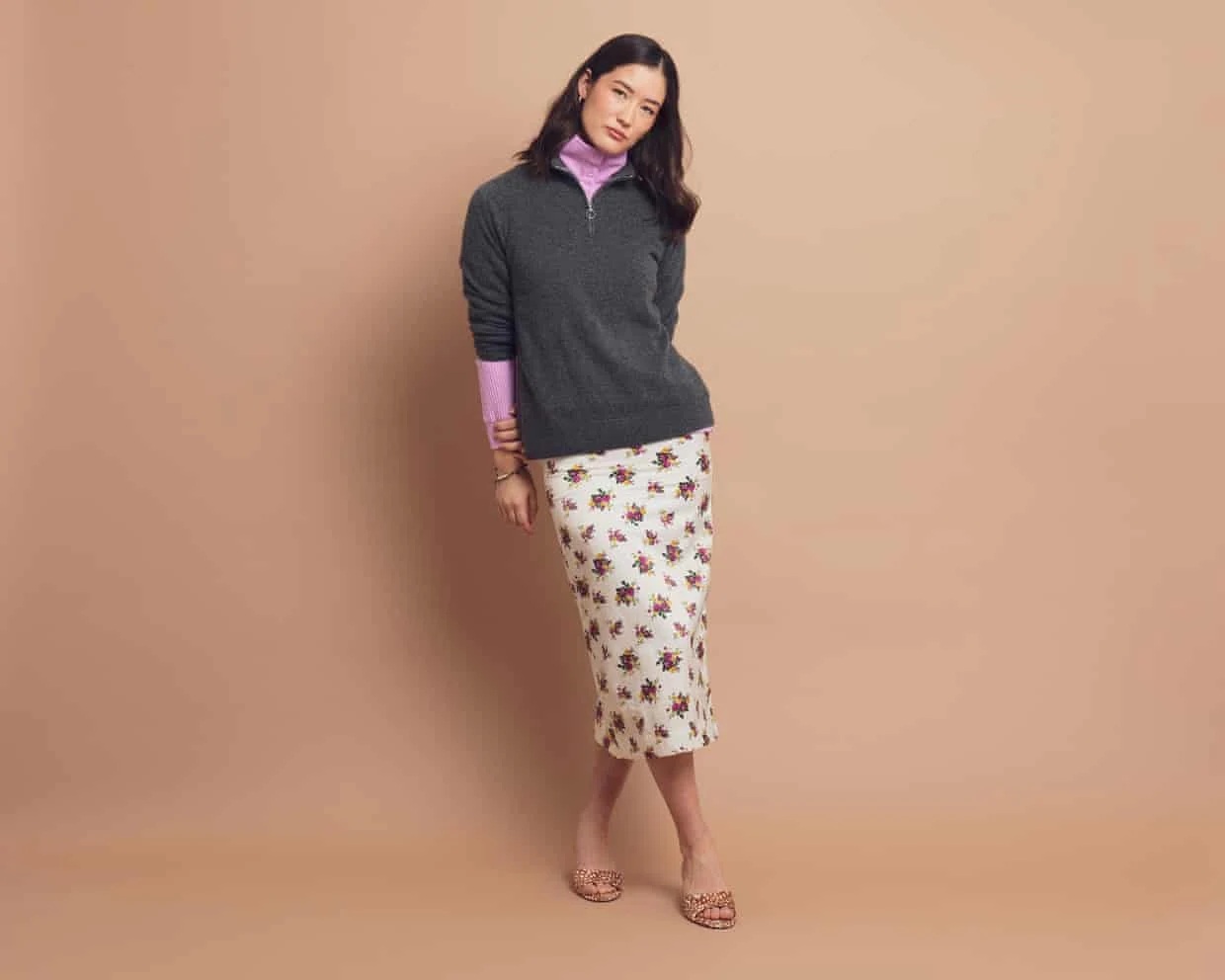
A viral video has prompted debate over the materials used in men's and women's jumpers. Creator Rachael Brownfield highlighted two $95 Abercrombie & Fitch products: a men's style made from merino wool and a women's style containing 30% wool. The Guardian
Key facts
Inspired by the video, Style Analytics examined full-price knitwear on the US websites of six major brands. The Guardian
The findings concern composition, not a complete laboratory comparison of durability, warmth or fit. The Guardian
Synthetic fibres can add stretch or fluidity, and manufacturers can combine them with costlier natural yarns. The Guardian
A jumper label starts a bigger argument
A comparison between two $95 Abercrombie & Fitch jumpers has opened a debate about what men and women receive for the same clothing budget. The Guardian reports that fashion creator Rachael Brownfield found a men's jumper made from 100% merino wool alongside a women's style containing 30% wool. The designs were different, so the comparison does not establish that two identical garments had different prices. It does raise a more useful shopping question: how does fibre composition vary within the same price range?
A small data study finds a substantial difference
Inspired by the video, Style Analytics examined full-price knitwear on the US websites of six major brands. In the under-$100 bracket, it found men's jumpers were up to five times as likely to consist entirely of natural fibres such as wool, cotton or cashmere. Women's jumpers were twice as likely to contain polyester. The reported gap closed above $100. Those findings describe a snapshot of selected retailers on a particular day, not the whole clothing market or a permanent rule for every brand. Reporting context: The Guardian
Fibre content is one part of value
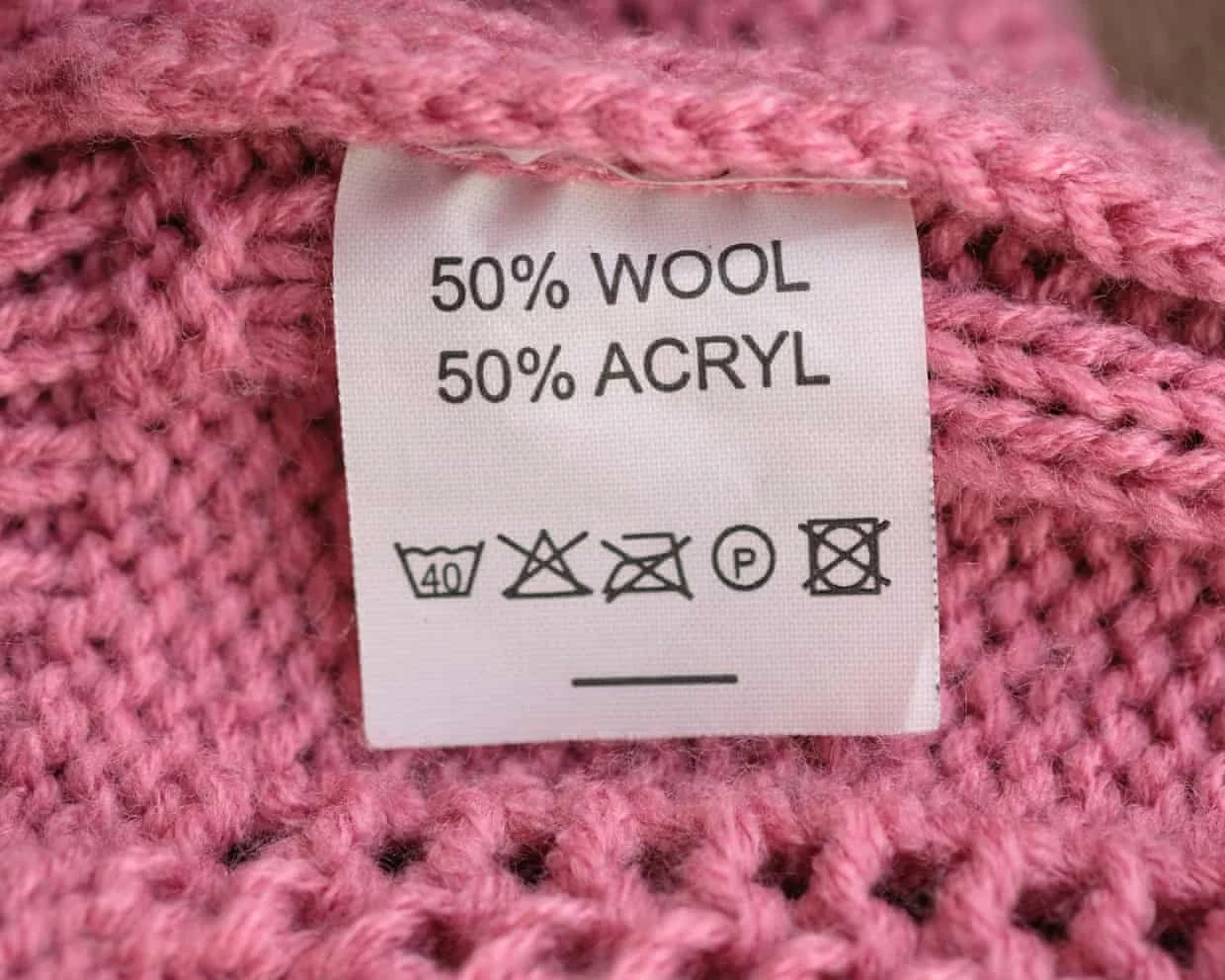
The findings concern composition, not a complete laboratory comparison of durability, warmth or fit. Natural fibres also include different materials with different properties: a cotton jumper and a cashmere jumper are not interchangeable simply because both belong to that category. At the same time, the percentage on the care label is a concrete detail that a buyer can compare. A product name or soft feel cannot reveal it as reliably as the actual fibre listing.
Why womenswear may use more blends
Designer and educator Roni Brunn points to trend turnover, fit and production economics. Synthetic fibres can add stretch or fluidity, and manufacturers can combine them with costlier natural yarns. Repeating established menswear styles can also allow larger, more predictable yarn purchases. These explanations do not prove why any one product was priced at $95. They help identify the incentives that can produce different material choices across departments even when the customer sees similar prices. Reporting context: The Guardian
Marketing language can conceal an important distinction
The Guardian highlights terms that describe an impression rather than guarantee a fibre. A wool blend can contain a relatively small proportion of wool. Gap's CashSoft range, for example, is described as cashmere-like but uses cotton, nylon and acrylic rather than cashmere itself. The practical response is to read the percentages rather than infer content from a name. That is especially useful when comparing garments whose price, colour or styling makes them appear more directly equivalent than their materials actually are.
Shopping across departments has limits
Sustainable-fashion writer Aja Barber says menswear has supplied well-made pieces that also fit her, while Brunn notes that men's sleeves and hip proportions can be unsuitable for her body. Buying from another department is therefore an option rather than a universal solution. The final choice includes fit, the desired silhouette and the care the owner is prepared to give the garment. A jumper that requires hand-washing and regular de-pilling may suit one wardrobe and remain unworn in another. Comparing labels improves the decision without reducing quality to one percentage alone.
Reporting and further reading
styleanalytics.substack.com: And for the lady, perhaps a polyester sweater?
Sources and editorial notes
This article compiles the linked reporting. Allegations, projections and research findings retain their original qualifications; this page does not represent independent field reporting or expert medical review.
- The Guardian (reporting)
- styleanalytics.substack.com: And for the lady, perhaps a polyester sweater? (reporting)
November 17, 2026: Replaced repeated summary and FAQ templates, added source attribution and image description, and clarified the distinction between source publication and site edits. This editorial update is not an independent fact-check certification.