Photograph: David Newby/The Guardian
Jess Cartner-Morley's latest fashion column takes inspiration from a Prada show built around 63 skirt looks. The collection ranged across pleats, wrapped shapes and embellished surfaces, using familiar separates to shift the balance of an outfit. The Guardian
Key facts
The show presented 63 skirt looks, generally around knee length and ranging from narrow shapes to broader A-lines. The Guardian
Cartner-Morley describes Miuccia Prada's preference for separates as a way to avoid making an entire outfit express a single mood. The Guardian
Colour, unusual texture and embellishment may feel easier to wear below the waist than in a statement top. The Guardian
A runway idea that begins in an existing wardrobe
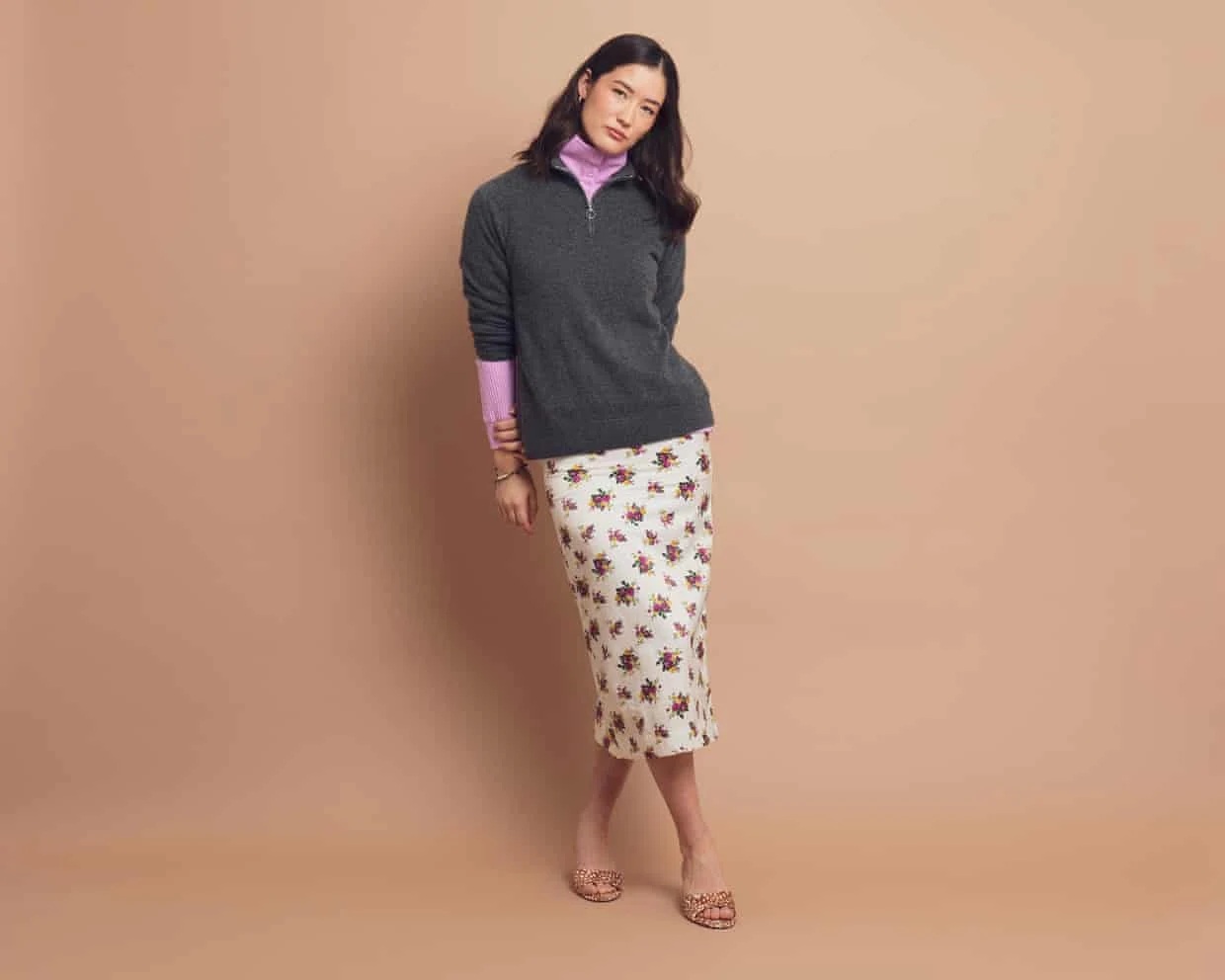
Jess Cartner-Morley's Guardian fashion column identifies a particularly simple response to Prada's latest collection: wear a skirt already owned. The appeal is not a specific new product but a change in how an outfit is organised. A familiar jumper can look different when paired with a pleated, satin or patterned skirt rather than the trousers worn on repeat. Her account is a styling argument based on the collection, not evidence that everyone needs to buy the same silhouette.
Prada gives one garment several identities
The show presented 63 skirt looks, generally around knee length and ranging from narrow shapes to broader A-lines. Some wrapped in a kilt-like form, while others used box pleats, painted surfaces or gauze layers over embellishment. Those details matter because the collection did not propose one uniform skirt as the season's compulsory purchase. It used a common category to explore structure, decoration and texture while changing the garments worn above it. Reporting context: The Guardian
Separates allow more than one idea
Cartner-Morley describes Miuccia Prada's preference for separates as a way to avoid making an entire outfit express a single mood. A top and a skirt can contribute different elements. In the column's reading, a relatively quiet upper half leaves room for an unusual lower half without placing every decorative idea next to the face. That is a practical styling proposition: the wearer can retain a familiar neckline, jumper or jacket while experimenting elsewhere in the outfit.
A skirt can carry the decoration
Colour, unusual texture and embellishment may feel easier to wear below the waist than in a statement top. The effect is still visible but does not frame the face or compete with speech in quite the same way. Cartner-Morley also argues that multiple ideas can look busier when divided across two trouser legs. That is an aesthetic preference rather than a rule. The useful observation is that the location of a strong design element changes how an otherwise ordinary outfit is perceived.
Change the pairing before changing the purchase
The column revisits skirts that had fallen out of regular use: a recent silver leather piece, a vintage pleated silk skirt and an older tiger-print design. These are the writer's wardrobe examples, not recommended shopping items for every reader. They illustrate how an existing garment can regain a role when its partner changes. Trying a plain knit with an overlooked skirt is a low-commitment way to assess the idea before deciding that a wardrobe lacks something new.
Length and proportion remain personal decisions
The runway's general knee-length emphasis provides a starting point, not an obligation to alter every hem. A skirt's width, a jumper's length and the footwear all affect the resulting proportions. The column's broader argument is that moving one component can make other clothes seem useful again. For a reader, the productive test is the complete outfit in the mirror and the comfort of wearing it through the day, rather than whether each separate item resembles a particular runway photograph.
The smallest trend can have a practical consequence
Fashion reporting often describes novelty through a new colour, brand or purchase. Here, the proposed novelty is a changed relationship between clothes already in circulation. That makes the idea especially accessible to someone who likes part of the runway's mood but has no reason to replace a whole wardrobe. The experiment begins with a skirt that still fits and a top already worn regularly. Its success is whether the combination feels newly useful, not whether a shopping receipt proves the trend has been followed.
Reporting and further reading
www.theguardian.com: Skirts given star billing as Prada swerves trousers and dresses in Milan
Sources and editorial notes
This article compiles the linked reporting. Allegations, projections and research findings retain their original qualifications; this page does not represent independent field reporting or expert medical review.
- The Guardian (reporting)
- www.theguardian.com: Skirts given star billing as Prada swerves trousers and dresses in Milan (reporting)
November 17, 2026: Replaced repeated summary and FAQ templates, added source attribution and image description, and clarified the distinction between source publication and site edits. This editorial update is not an independent fact-check certification.