On a visit to Peru, Pope Leo XIV linked the killings of environmental defenders with Indigenous rights, illegal mining and the wider struggle to protect the Amazon. The Guardian
Key facts
The speech came against a landscape where illegal gold mining has damaged forests and polluted rivers. The Guardian
The recent conviction of people involved in the murder of Kichwa leader Quinto Inuma Alvarado was presented as an exception. The Guardian
Leo connected environmental protection with a separate crisis involving sexual violence against Indigenous Awajun and Wampis schoolgirls in northern Peru. The Guardian
A papal visit turns to the defenders of the forest
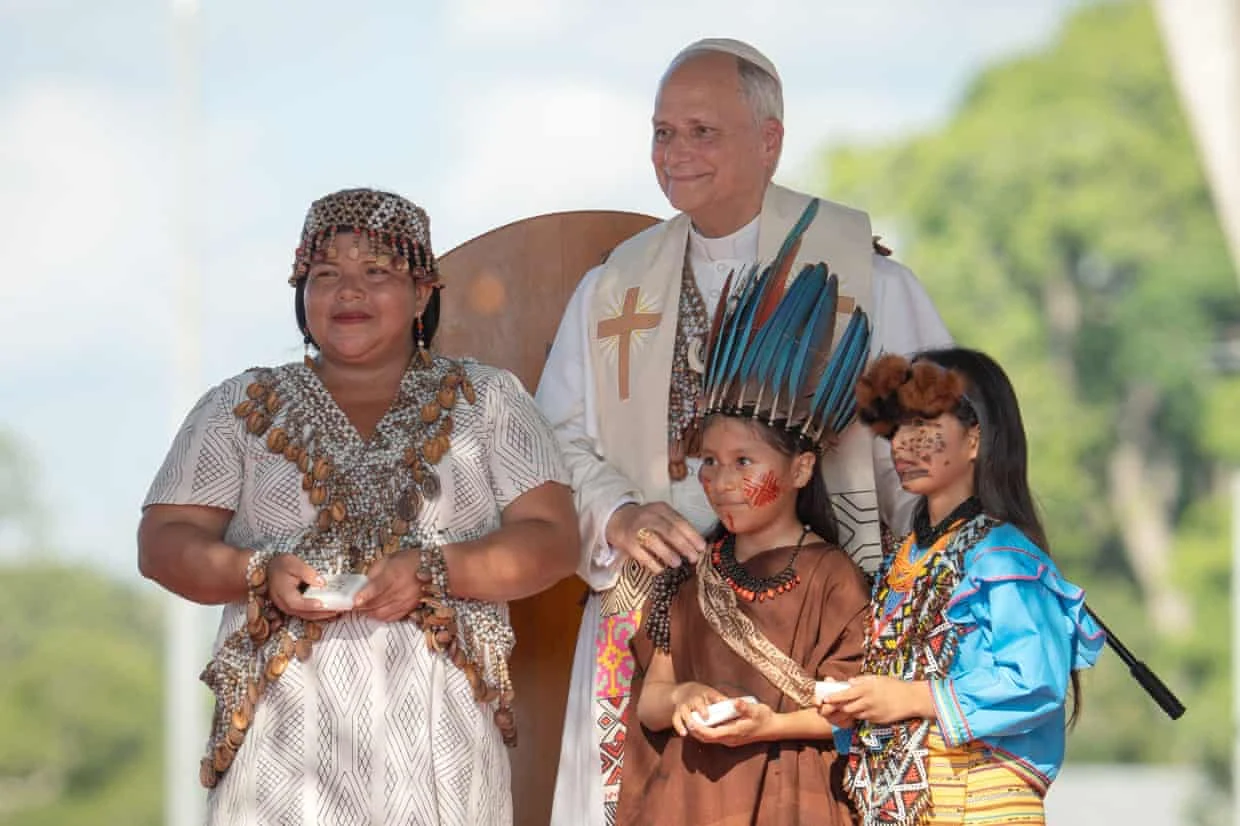
Pope Leo XIV used a visit to Peru's Amazon region to demand justice for people killed while defending their land. In Pucallpa, he told Indigenous representatives and missionaries that care for vulnerable people and care for the Earth cannot be separated. The Guardian reports that environmental groups estimate 57 defenders were murdered in Peru between 2010 and 2024. The figure is an estimate of killings linked to environmental defence, not a count of cases with identical motives or legal outcomes.
Logging and mining make the conflict tangible
The speech came against a landscape where illegal gold mining has damaged forests and polluted rivers. Coca production and logging add pressure to territories that communities depend on for food, water and cultural life. Leo called for a model of development that respects Indigenous peoples rather than treating the forest as an open source of land and minerals. His argument is political as well as religious: economic activity can be judged by who bears its costs and who has the authority to consent.
Impunity remains part of the problem
Most killings of environmental defenders in Peru go unpunished, according to the reporting. The recent conviction of people involved in the murder of Kichwa leader Quinto Inuma Alvarado was presented as an exception. Inuma was ambushed in 2023 while defending the San Martin region of the Amazon. A conviction can establish accountability in one case, but it does not by itself change the risks faced by other leaders who continue to oppose illegal extraction. Reporting context: The Guardian
The visit also addressed violence against girls
Leo connected environmental protection with a separate crisis involving sexual violence against Indigenous Awajun and Wampis schoolgirls in northern Peru. The Awajun and Wampis Women’s Council recorded 370 cases in Condorcanqui province between January and July, according to the report. The statistic comes from a community record rather than a national criminal-case database. Its significance lies in showing how insecurity, weak public protection and resource conflicts overlap in the same territories. Reporting context: The Guardian
Indigenous organisations ask for stronger safeguards
During the visit, Indigenous leader Julio Cusurichi handed Leo a letter asking him to defend the rights of people living in voluntary isolation. The organisation Aidesep said the Peruvian state was weakening safeguards for their territories and urged the pope to prevent economic interests from taking priority over vulnerable communities. A papal appeal can raise international attention, but enforcement still depends on state agencies, prosecutors and the ability of communities to participate safely in decisions about their land.
A symbolic speech meets practical tests
Leo’s intervention gives the Amazon’s defenders a prominent platform at a moment when illegal mining remains lucrative and environmental protection is dangerous. The practical test will be whether public authorities investigate killings, protect witnesses, recognise Indigenous land rights and stop pollution. The visit does not resolve those questions. It makes them harder to ignore by placing the names and risks of local defenders inside a global conversation about climate, development and human rights.
Sources and editorial notes
This article compiles the linked reporting. Allegations, projections and research findings retain their original qualifications; this page does not represent independent field reporting or expert medical review.
- The Guardian (reporting)
November 17, 2026: Replaced repeated summary and FAQ templates, added source attribution and image description, and clarified the distinction between source publication and site edits. This editorial update is not an independent fact-check certification.