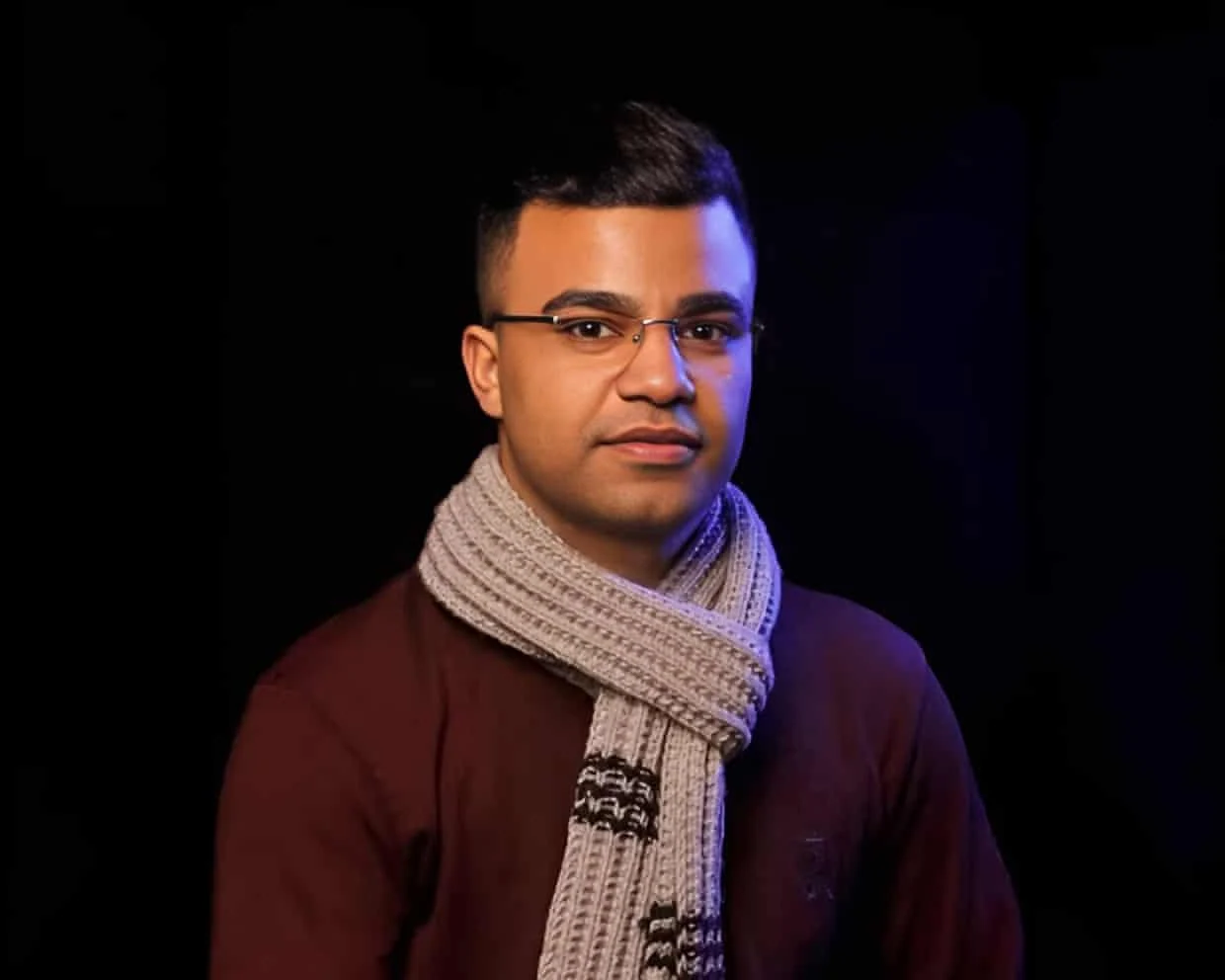
Iranian boxer Mohammad Javad Vafaei Sani has received the Magnitsky award for outstanding human rights activism while remaining on death row. A written message from Vakilabad prison was read at the London ceremony. The Guardian
Key facts
Vafaei Sani was arrested in 2020 after participating in the previous year's nationwide demonstrations. The Guardian
The Magnitsky awards began in 2015 and are named for Sergei Magnitsky, the Russian lawyer who died in custody after exposing corruption. The Guardian
Human Rights for Sport identifies seven Iranian athletes at risk of execution, including Vafaei Sani. The Guardian
An imprisoned boxer receives international recognition
Mohammad Javad Vafaei Sani has received the Magnitsky award for outstanding human rights activism while remaining on death row in Iran. A message written in Vakilabad prison was read at Thursday's ceremony in London. The Guardian reports that the 31-year-old boxer and coach dedicated the recognition to people imprisoned or threatened for seeking political freedom. The award draws attention to a prisoner still facing execution, rather than commemorating a case whose legal danger has passed.
The case began after the 2019 protests
Vafaei Sani was arrested in 2020 after participating in the previous year's nationwide demonstrations. Authorities accused him of supporting the People's Mojahedin Organization of Iran and convicted him of a broadly framed national-security offence. He has received three death sentences, most recently in September 2024. Iran's supreme court upheld that sentence on 4 October 2025. Amnesty International describes the trial as grossly unfair and reports torture and lengthy solitary confinement. Those are the rights organisation's findings, not admissions by Iranian authorities. Reporting context: The Guardian
An award created around scrutiny of state power
The Magnitsky awards began in 2015 and are named for Sergei Magnitsky, the Russian lawyer who died in custody after exposing corruption. They recognise journalists, politicians and activists working on human rights. Awards chair William Browder argues that public attention can make it harder for an execution to happen without scrutiny. The ceremony consequently serves a practical campaigning purpose alongside recognition: it takes the prisoner's case to audiences outside the legal and political systems that control his detention. Reporting context: The Guardian
Other athletes also face danger
Human Rights for Sport identifies seven Iranian athletes at risk of execution, including Vafaei Sani. The Guardian reports that mountaineer Ali-Sina Mostafavi was executed on 14 October, following the deaths of taekwondo athlete Siavash Jamshidi Kheirabadi earlier that month and mixed martial arts fighter Gholamreza Khani Shakarab in May. Campaigners view athletes as prominent community figures whose cases can mobilise wider support. Their argument is not that sporting achievement changes legal rights, but that those public profiles can help focus attention on a broader execution campaign. Reporting context: The Guardian
Rights monitors describe a wider pattern
Hengaw reports at least 710 executions in Iran during 2026, including 79 political and religious prisoners. Its October monitoring also recorded at least 106 death sentences against January protest detainees, with 35 already executed. These figures are attributed to the organisation's monitoring rather than presented as a complete independently audited official register. They explain the urgency of campaigners' intervention and place Vafaei Sani's case among many others, while the circumstances and legal histories of individual prisoners still require separate examination. Reporting context: The Guardian
His message looks beyond personal survival
Vafaei Sani described a future Iran with free elections, equal rights for women and men and no discrimination based on ethnicity, faith or belief. Campaigners say support for him includes people who do not share his political affiliations. Their immediate demands are to overturn the death sentence and secure his release. The award has not itself changed the court's decision. Its significance lies in keeping his situation visible while he remains alive and in connecting his individual case with wider demands against execution for political opposition.
Sources and editorial notes
This article compiles the linked reporting. Allegations, projections and research findings retain their original qualifications; this page does not represent independent field reporting or expert medical review.
- The Guardian (reporting)
November 17, 2026: Replaced repeated summary and FAQ templates, added source attribution and image description, and clarified the distinction between source publication and site edits. This editorial update is not an independent fact-check certification.