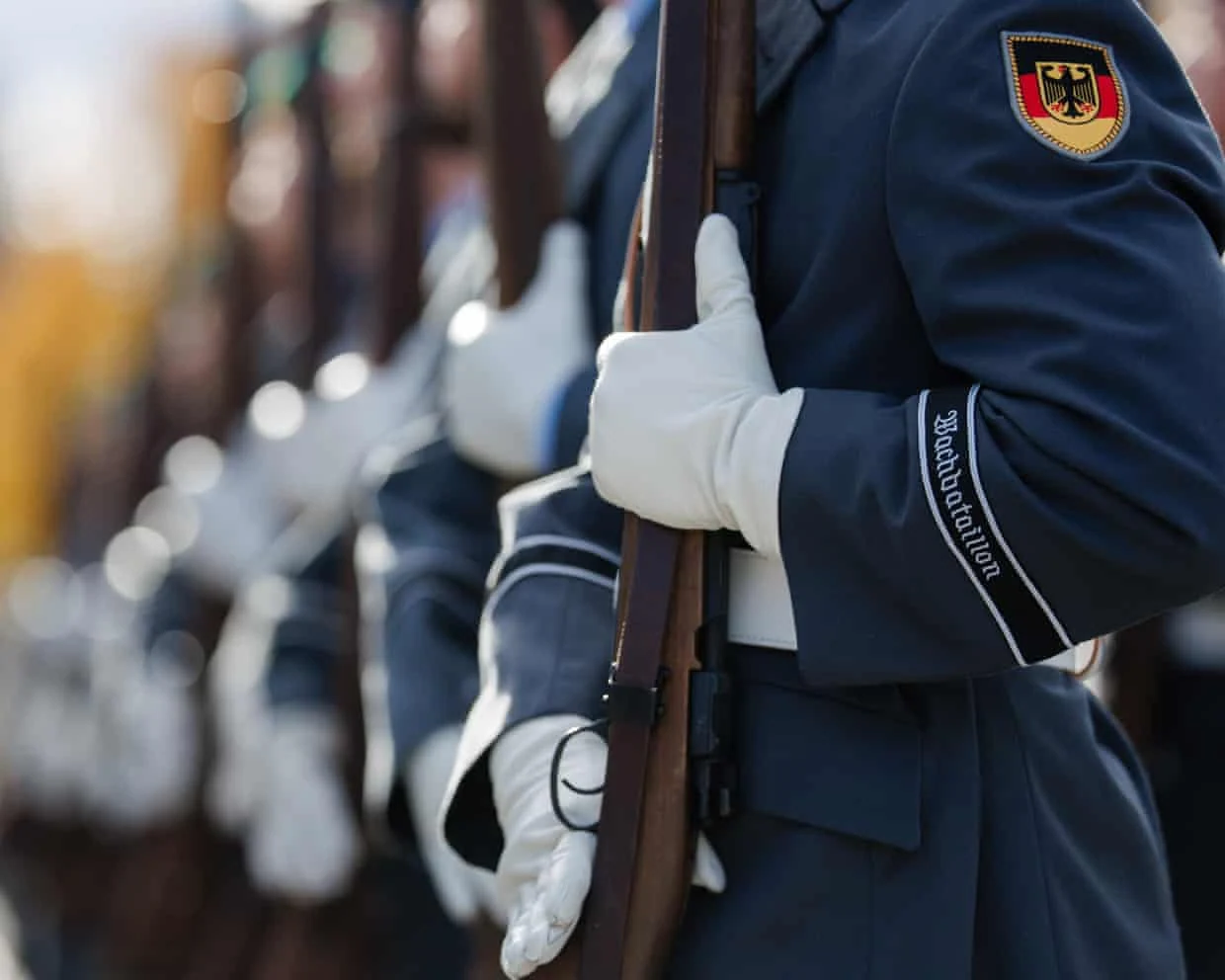
A round-the-clock hotline has been set up to help German soldiers. Photograph: Clemens Bilan/EPA
A German military study has found that more than 60% of female respondents experienced sexual harassment or abuse on duty. The defence minister described the findings as unacceptable and promised a zero-tolerance response. The Guardian
Key facts
Among approximately 4,000 female respondents, nearly 40% reported suggestive or sexualised remarks, while about 15% described photographs taken without consent, sometimes altered using AI. The Guardian
The defence ministry says 45,000 serving or former personnel were invited and 18% responded; it considers the results representative after analysis. The Guardian
About one-third of those surveyed said they had not reported, or would not report, incidents because they lacked confidence in their superiors' response. The Guardian
Germany confronts misconduct inside its armed forces
A comprehensive Bundeswehr study found that more than 60% of female respondents had experienced sexual harassment or abuse while on duty. The Guardian reports that defence minister Boris Pistorius condemned the findings and promised a zero-tolerance response. The research arrives as Germany seeks to expand its armed forces, making the conditions faced by existing personnel central to recruitment and retention as well as to the immediate duty to protect service members.
The headline includes different forms of conduct
Among approximately 4,000 female respondents, nearly 40% reported suggestive or sexualised remarks, while about 15% described photographs taken without consent, sometimes altered using AI. Just over 8% reported physical attacks and 2% sexual violence. These categories are not interchangeable. The finding of more than 60% does not mean every affected woman experienced physical assault or the most severe form of abuse. Keeping the categories visible helps describe both the breadth of everyday harassment and the smaller but serious incidence of violence. Reporting context: The Guardian
A survey rather than a disciplinary case count
The Centre for Military History and Social Sciences in Potsdam conducted the research. The defence ministry says 45,000 serving or former personnel were invited and 18% responded; it considers the results representative after analysis. Around 19% of male respondents also reported misconduct, with gay and non-binary personnel disproportionately affected. The method matters when interpreting the figures: they record respondents' experiences, not only complaints proved through military disciplinary proceedings. Formal case totals and survey findings answer different questions about the institution. Reporting context: The Guardian
Distrust can prevent a complaint from being filed
About one-third of those surveyed said they had not reported, or would not report, incidents because they lacked confidence in their superiors' response. Personnel also described being left without information about proceedings while expected to keep serving. Pistorius says complainants should receive clearer updates. The issue is therefore not limited to having a rule prohibiting abuse. Service members must also believe that reporting will lead to a credible process and that they will not be abandoned inside the same workplace while a case remains unresolved.
A hotline and repeated measurement form part of the response
A round-the-clock military support hotline called HELP was established this month before publication of the results. Pistorius also said the study would be repeated annually, creating a continuing record against which changes can be assessed. He disclosed that some colleagues had urged him not to release the research for fear of reputational damage. Publishing it exposes a difficult internal problem, but suppressing the findings would also prevent public assessment of whether subsequent measures address it.
Expansion depends on a credible workplace
The Bundeswehr aims for 260,000 active personnel and 200,000 reservists by 2035, seeking to meet security needs without introducing conscription. Pistorius highlighted that women serving in units with more female colleagues were less often affected, viewing increased female participation as part of the response. That association does not by itself prove which organisational changes cause safer conditions. It does place retention and unit culture beside equipment and headcount in the expansion debate. Future surveys and complaint handling will show whether the promised response changes service members' experience. Reporting context: The Guardian
Sources and editorial notes
This article compiles the linked reporting. Allegations, projections and research findings retain their original qualifications; this page does not represent independent field reporting or expert medical review.
- The Guardian (reporting)
November 17, 2026: Replaced repeated summary and FAQ templates, added source attribution and image description, and clarified the distinction between source publication and site edits. This editorial update is not an independent fact-check certification.