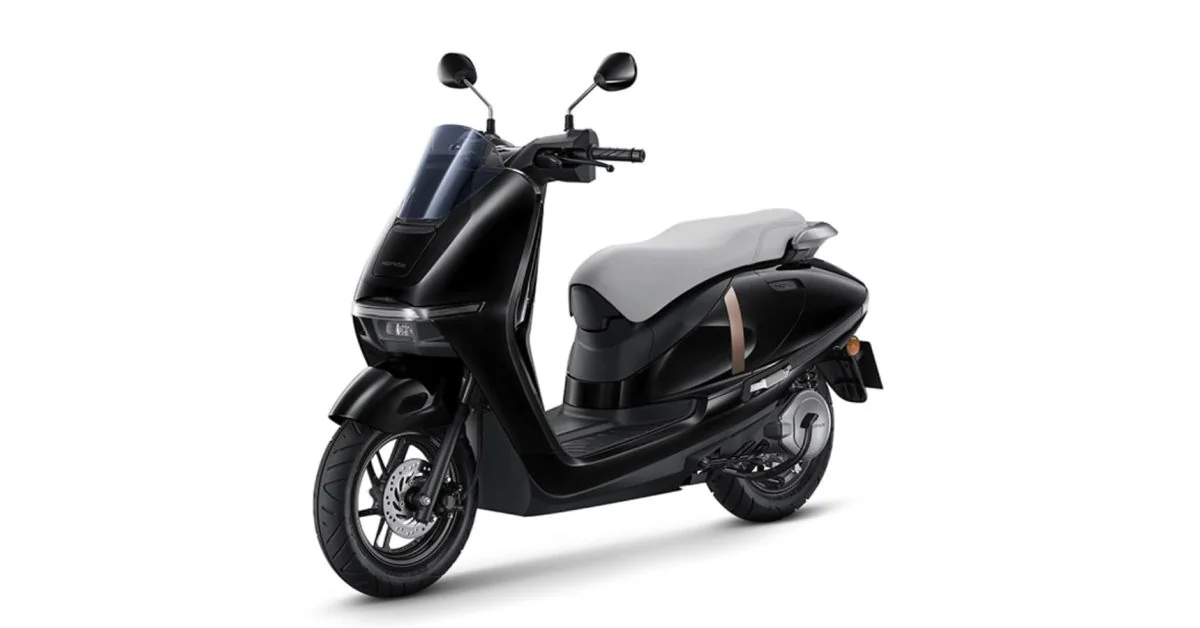
Honda's UC3 is aimed at practical everyday transport in markets such as Thailand and Vietnam. Electrek reports local prices approaching US$2,000, making it a lower-cost option than many premium electric motorcycles. Electrek
Key facts
Honda designed the UC3 as an electric alternative to a small petrol scooter used for commuting, shopping and local trips. Electrek
The published WMTC range of up to 122 kilometres is a test-cycle figure and cannot answer every question about a particular commute, speed or load. Electrek
The scooter includes a colour display, phone connectivity, three riding modes and reverse assistance. Electrek
An affordable Honda attracts attention beyond its markets
Honda's UC3 electric scooter is drawing interest because Vietnamese dealer offers bring it close to the US$2,000 mark. Electrek describes a practical model launched for Thailand and Vietnam, with enough performance for everyday urban journeys.
The attraction is straightforward: a recognised manufacturer, useful storage and relatively accessible local pricing. However, readers outside those markets cannot assume that the converted price or the product itself will be available to them.
An everyday scooter rather than a flagship
Honda designed the UC3 as an electric alternative to a small petrol scooter used for commuting, shopping and local trips. Its six-kW motor and approximate 80-km/h top speed position it around urban practicality. The report's appeal to American riders comes from that combination of useful performance and an established manufacturer, rather than an argument that it substitutes for a highway motorcycle. Reporting context: Electrek
Fixed storage changes charging habits
The 3.2-kWh lithium iron phosphate battery remains in the scooter for charging. That differs from designs whose battery can be carried indoors. A potential owner therefore needs a suitable place to connect the vehicle itself. The published WMTC range of up to 122 kilometres is a test-cycle figure and cannot answer every question about a particular commute, speed or load. Reporting context: Electrek
Useful equipment comes as part of the package
The scooter includes a colour display, phone connectivity, three riding modes and reverse assistance. Its 26-litre under-seat compartment is part of the practical proposition. These features make the comparison broader than motor power alone: everyday transport also depends on carrying shopping, manoeuvring in tight parking spaces and being able to use the vehicle repeatedly without elaborate preparation. Reporting context: Electrek
The lower price reflects local offers
Electrek reports Vietnamese dealer incentives bringing prices from an initial level around 78.5 million dong to about 54 million dong, roughly US$2,100 at the reported conversion. That is a local promotional comparison, not a US list price or a promise of equivalent pricing elsewhere. Taxes, distribution, certification and market-specific specifications would need to be accounted for before comparing a future imported version. Reporting context: Electrek
No American launch has been confirmed
Honda had not announced plans to sell the UC3 in the United States. The article points to differences in scooter demand, service support and regulatory costs as possible commercial obstacles. Those factors explain why enthusiasts cannot infer availability from attractive overseas specifications. The model exists and is being sold in its intended markets; an American launch remains a separate business decision rather than an announced next step. Reporting context: Electrek
Small vehicles face a different commercial equation
The UC3 was designed as an electric counterpart to a roughly 110cc petrol scooter. In Thailand and Vietnam, that category belongs to ordinary daily transport, with riders using two-wheelers for work, shopping and family journeys. A product can therefore reach a large practical market without offering high-speed touring performance. Reporting context: Electrek
Electrek contrasts that environment with a much smaller American market for utility scooters and demand often centred on recreation or highway use. Certification, parts and dealer support would add work before a launch. Those are explanations offered for the difficult business case, not a statement from Honda committing to permanent exclusion. The model demonstrates what the company is building for particular transport needs; it does not yet answer whether American buyers will be offered an equivalent.
Sources and editorial notes
This article compiles the linked reporting. Allegations, projections and research findings retain their original qualifications; this page does not represent independent field reporting or expert medical review.
- Electrek (reporting)
November 17, 2026: Replaced repeated summary and FAQ templates, added source attribution and image description, and clarified the distinction between source publication and site edits. This editorial update is not an independent fact-check certification.