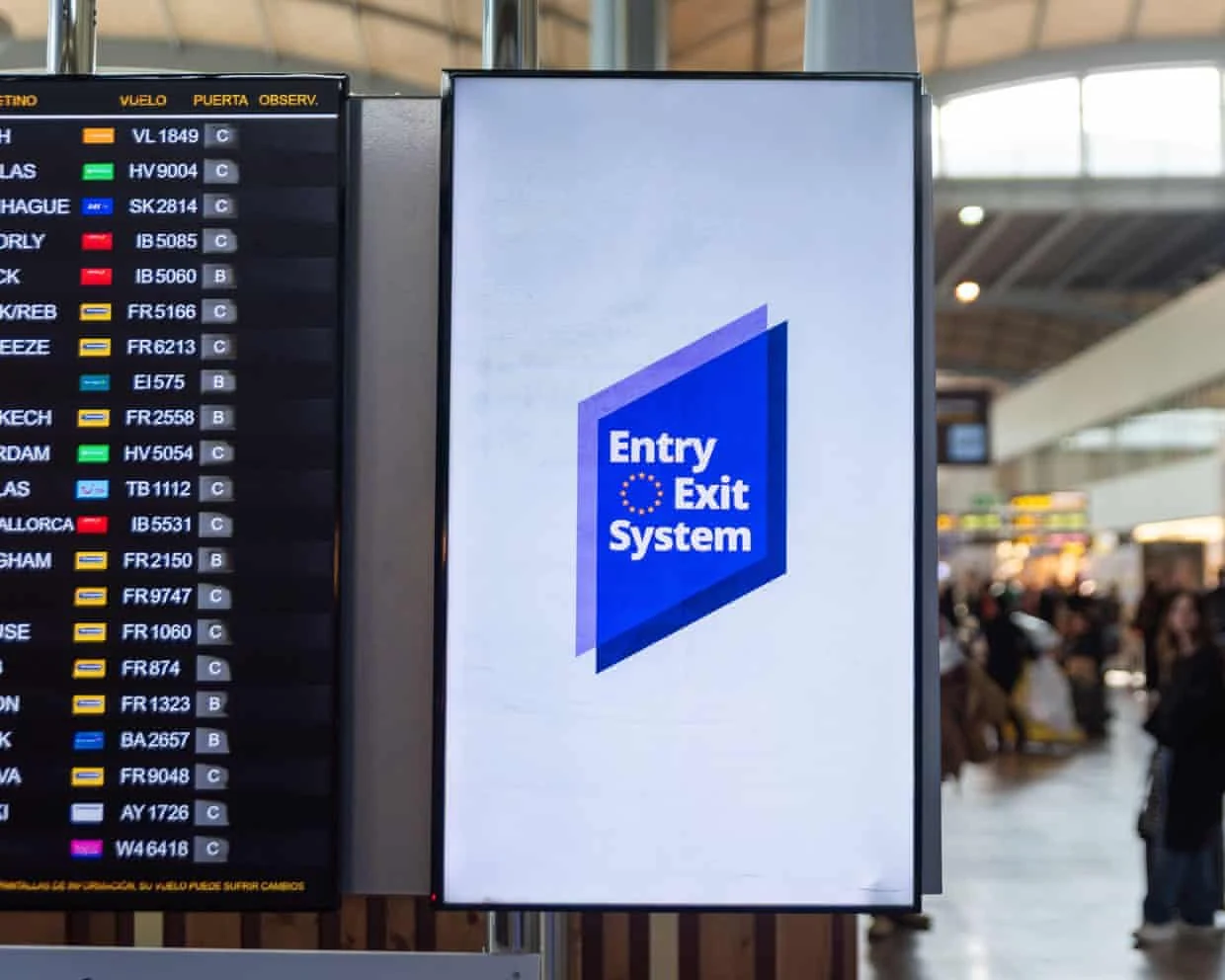
Novelist Jojo Moyes is among British travellers reporting incorrect records in the EU's Entry/Exit System. She says a departure from Portugal was not logged, causing the system to count days after she had already left the Schengen area. The Guardian
Key facts
Moyes said she had spent only 23 days in the EU during the relevant six months, but the system had not logged her departure from Portugal in May. The Guardian
Jane Nolan and her husband told the Guardian they spent 40 days in France after travelling through LeShuttle in April and made no later Schengen visits. The Guardian
Some countries reverted to manual checks during the summer because of technical problems and staffing pressures. The Guardian
Incorrect border records create real travel consequences
Jojo Moyes is among British travellers reporting inaccurate records in the European Union's digital Entry/Exit System. The Guardian, drawing partly on Which?'s reporting, says the novelist was warned she could face a €10,000 fine and a two-year travel ban if she returned before an apparent overstay was resolved. Those were reported warnings about a disputed record, not a finding that Moyes had actually exceeded her allowance. Her case illustrates the practical consequences of a missing departure entry.
One unrecorded exit can distort a whole calculation
Moyes said she had spent only 23 days in the EU during the relevant six months, but the system had not logged her departure from Portugal in May. If an exit is missing, a database can appear to show a continuous stay after the traveller has already gone home. That matters under the post-Brexit limit allowing many British visitors 90 days in a rolling 180-day period within the Schengen area. Accurate entries and exits are essential to calculating the remaining allowance. Reporting context: The Guardian
Other passengers describe similar uncertainty
Jane Nolan and her husband told the Guardian they spent 40 days in France after travelling through LeShuttle in April and made no later Schengen visits. Yet the online checker showed no days remaining. Their passports were manually stamped when they returned in June during a suspension of the digital system. The couple had asked French authorities to check the records but did not yet know which entry caused the problem. Their case shows why a warning screen alone may not explain the underlying error. Reporting context: The Guardian
A troubled rollout has a separate legal dimension
Some countries reverted to manual checks during the summer because of technical problems and staffing pressures. The Guardian also reported that the EU was suing IBM and two European companies over failures connected with the system. That litigation is part of the broader rollout story; it does not establish the cause or resolution of every individual passenger's record. Similarly, reports of other travellers being detained or removed should be distinguished from Moyes's own account and from the Nolan family's unresolved enquiry.
What travellers can check before departure
The Foreign Office said it was raising concerns about incomplete or inaccurate records with the European Commission. Its advice in the report was to carry evidence of the last departure from the EU and raise discrepancies with border officials. Travellers can also review their remaining allowance through the EES website. Where the result looks wrong, the report directs them to the relevant country's data controller through the Travel to Europe data-protection page to request a correction before travelling.
Moyes's warning was tied to a specific checkpoint
Moyes described being stopped by French border officers after a holiday and receiving the warning from a senior officer in Marseille. Her account linked the apparent overstay to the earlier missing Portuguese departure. She said she did not know how much time the system believed she had spent in Europe, even after trying to have the record corrected. That uncertainty is distinct from knowingly exceeding an allowance. It also explains why carrying a return ticket alone may not answer every question about an older journey: the disputed information may concern a trip made months earlier.
A correction process needs to be usable
Which? and travel-agent representatives have called for accountability and a clearer way to challenge inaccurate data. Moyes said she had tried multiple avenues and engaged an immigration lawyer, an option many travellers cannot easily afford. The immediate issue is therefore not simply learning the 90-day rule. It is obtaining a reliable record of days already used and a workable correction when that record is wrong. The European Commission had been approached for comment when the Guardian account was published. Reporting context: The Guardian
Reporting and further reading
www.theguardian.com: EU sues IBM and two European firms over troubled entry/exit border system
Sources and editorial notes
This article compiles the linked reporting. Allegations, projections and research findings retain their original qualifications; this page does not represent independent field reporting or expert medical review.
- The Guardian (reporting)
- www.theguardian.com: EU sues IBM and two European firms over troubled entry/exit border system (reporting)
- www.which.co.uk: Flawed EU border checks threaten author Jojo Moyes with two-year travel ban in EES error that could affect thousands of UK travellers (reporting)
November 17, 2026: Replaced repeated summary and FAQ templates, added source attribution and image description, and clarified the distinction between source publication and site edits. This editorial update is not an independent fact-check certification.