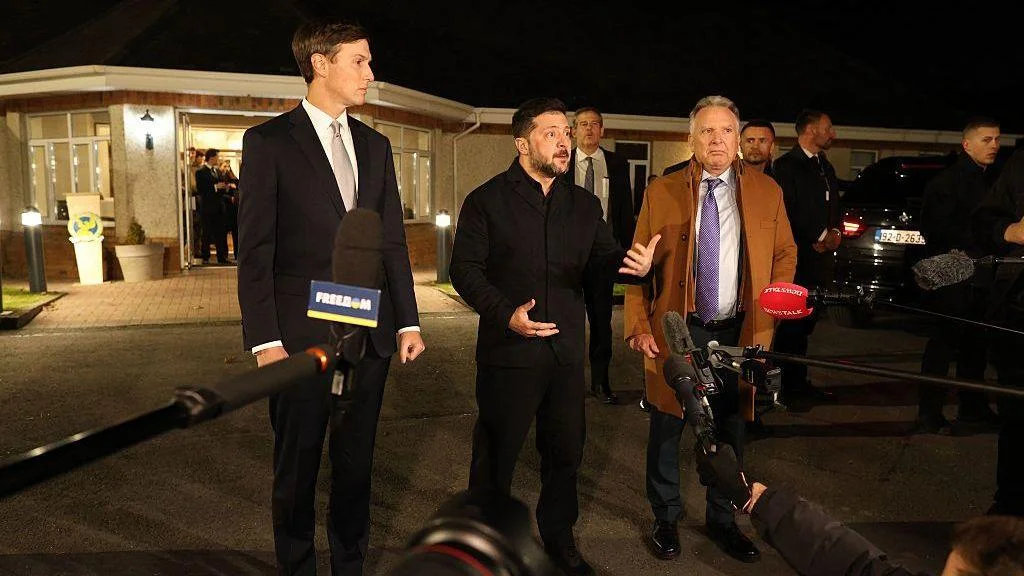
Volodymyr Zelensky has welcomed a US commitment to include European Union delegates in the next round of Russia-Ukraine peace talks. He met US envoys Jared Kushner and Steve Witkoff in Dublin after their visit to Moscow. BBC News
Key facts
The Moscow and Dublin meetings came after negotiations in Abu Dhabi the previous week failed to produce a breakthrough. BBC News
Zelensky argues that European involvement is logical because Ukraine seeks eventual EU membership. BBC News
EU foreign-policy chief Kaja Kallas welcomed recognition of Europe's importance but questioned whether Russia was moving toward a genuine peace agreement. BBC News
European delegates are promised a place in peace talks
Ukrainian President Volodymyr Zelensky has welcomed a US commitment to include European Union delegates in the next round of negotiations with Russia. BBC News reports that US envoys Jared Kushner and Steve Witkoff met him in Dublin on Thursday after talks with Vladimir Putin in Moscow. The change addresses a longstanding Ukrainian request for Europe's participation, but the meetings did not announce a settlement of the war or resolve Russia's territorial demands.
Shuttle diplomacy follows an unsuccessful earlier round
The Moscow and Dublin meetings came after negotiations in Abu Dhabi the previous week failed to produce a breakthrough. Putin said Russia's position had not changed. Approximately one-fifth of Ukraine remains under Russian control, making territory and sovereignty central obstacles. Adding delegates can improve who is represented and who may help implement an agreement, but it does not itself narrow the parties' substantive differences. The practical test is whether a new format produces movement on those issues rather than simply another itinerary of meetings.
Europe connects participation with its own security
Zelensky argues that European involvement is logical because Ukraine seeks eventual EU membership. European governments also regard the outcome as directly affecting their continent's future security. Irish Prime Minister Micheál Martin said the war had fundamentally changed the regional environment, with some EU members seeing a potential existential threat. Any post-war arrangements would therefore have consequences for states that are not the direct belligerents. Their demand for a seat concerns responsibilities and risks as well as diplomatic visibility.
Inclusion does not remove scepticism about Russia
EU foreign-policy chief Kaja Kallas welcomed recognition of Europe's importance but questioned whether Russia was moving toward a genuine peace agreement. Moscow has previously dismissed European participation. Kushner said he had explained its importance to Putin, who was willing to try the arrangement. That description signals acceptance of a negotiating format, not agreement with European positions. Ukraine and its partners remain concerned about Washington's long-term commitment to European security and its approach to the Kremlin, even as they support broader participation.
A prisoner exchange offers a separate humanitarian prospect
Russia and Ukraine agreed to another prisoner swap, which Kushner described as the largest since the full-scale invasion and capable of returning thousands of people to their families. The public account did not provide a final total or timetable. That matters for families awaiting news: agreement on the intention to exchange prisoners is different from a completed transfer. Humanitarian progress can be significant even when territorial negotiations remain blocked, but reporting should not merge those separate developments into a claim that the wider war is close to ending.
Satellite restrictions add operational strain
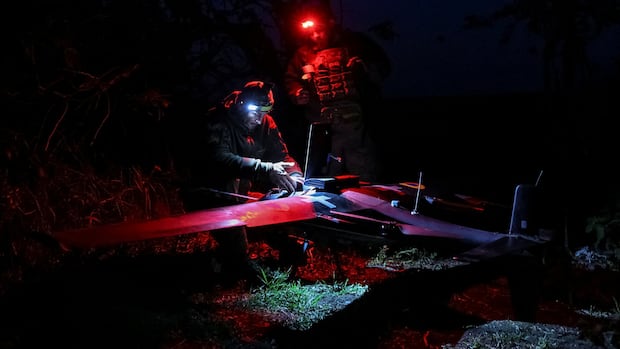
Before the Dublin meeting, Zelensky complained about increasingly systematic restrictions on Starshield, SpaceX's military-grade satellite service. He said they hindered interception of Russian jet-powered drones. Satellite connectivity supports government and military communications, including on the front line. The complaint shows how diplomacy is intertwined with practical access to technology Ukraine considers essential. The next round of talks must therefore be assessed alongside unresolved battlefield and partnership concerns, rather than assuming that a more inclusive table has already removed them.
Sources and editorial notes
This article compiles the linked reporting. Allegations, projections and research findings retain their original qualifications; this page does not represent independent field reporting or expert medical review.
- BBC News (reporting)
November 17, 2026: Replaced repeated summary and FAQ templates, added source attribution and image description, and clarified the distinction between source publication and site edits. This editorial update is not an independent fact-check certification.