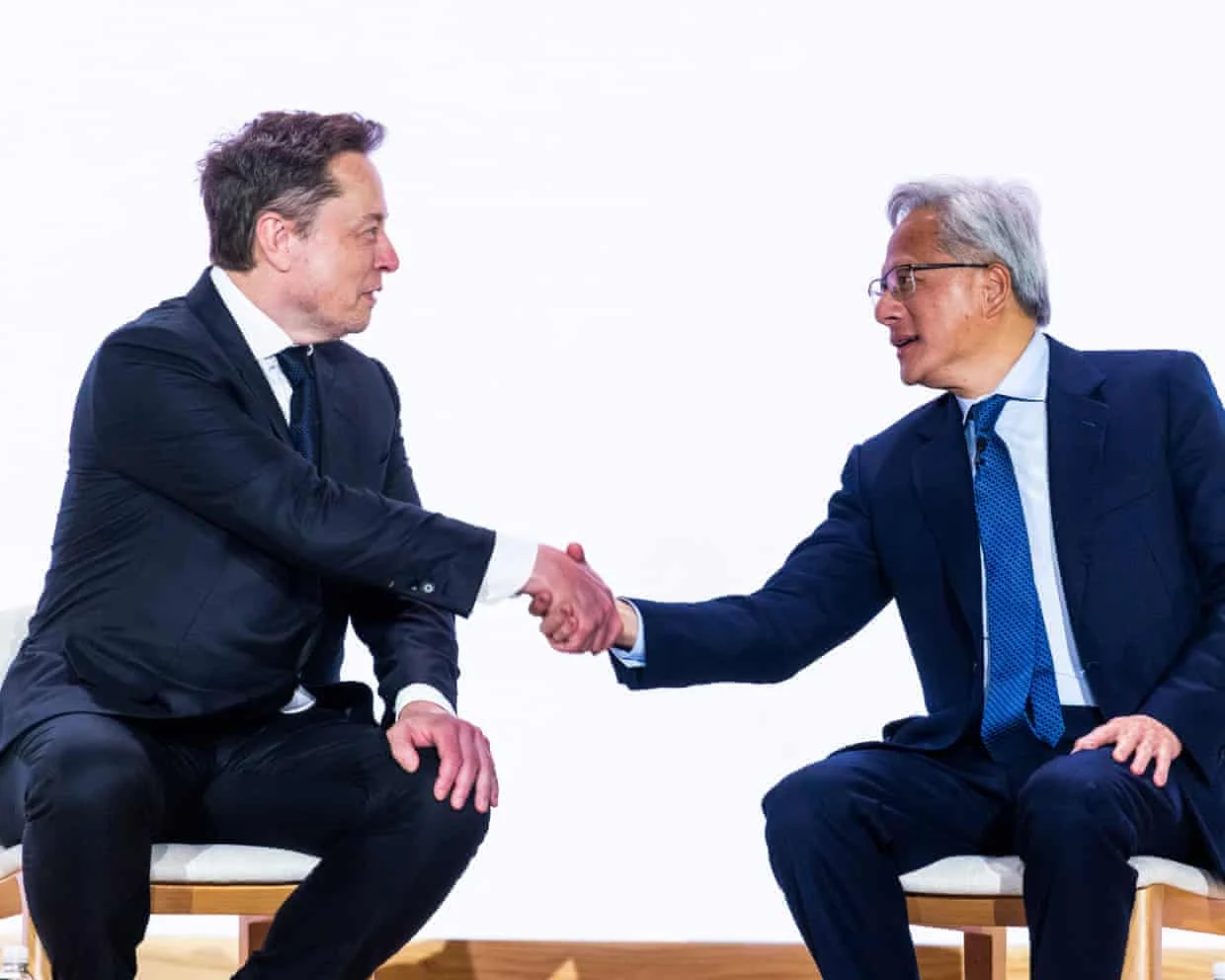
European Union Chamber of Commerce in China president Jens Eskelund says European manufacturers face difficult choices as Chinese competitors expand. He warns that current trends could bring companies to an existential decision by the end of the decade. The Guardian
Key facts
European firms can lose sales in China while also facing Chinese competitors in their home markets. The Guardian
The latest plan emphasises fields including AI, robotics, quantum computing, green technology and advanced communications. The Guardian
European policymakers face demands for a tougher trade response as the deficit reaches roughly €1.18 billion a day. The Guardian
A warning about Europe's manufacturing position
European manufacturers may reach a point by 2030 where competing directly with Chinese rivals no longer looks viable, according to EU Chamber of Commerce in China president Jens Eskelund. The Guardian reports his warning amid concerns about jobs, industrial capacity and Europe's large trade deficit with China. His comments describe a possible trajectory if current trends continue, not a finding that European manufacturing has already disappeared or that all businesses face identical prospects.
Competition arrives from several directions
Eskelund points to pressure in cars, chemicals and renewable energy. European firms can lose sales in China while also facing Chinese competitors in their home markets. BMW reported a 22% decline in Chinese sales during the first nine months and issued another profit warning. The chamber chief also cites Goldman Sachs projections that Chinese exports could reduce EU GDP by 0.5% by the decade's end and German output by as much as 0.9%. These are forecasts of potential impact, not recorded reductions already measured in national accounts. Reporting context: The Guardian
China's industrial priorities are longstanding
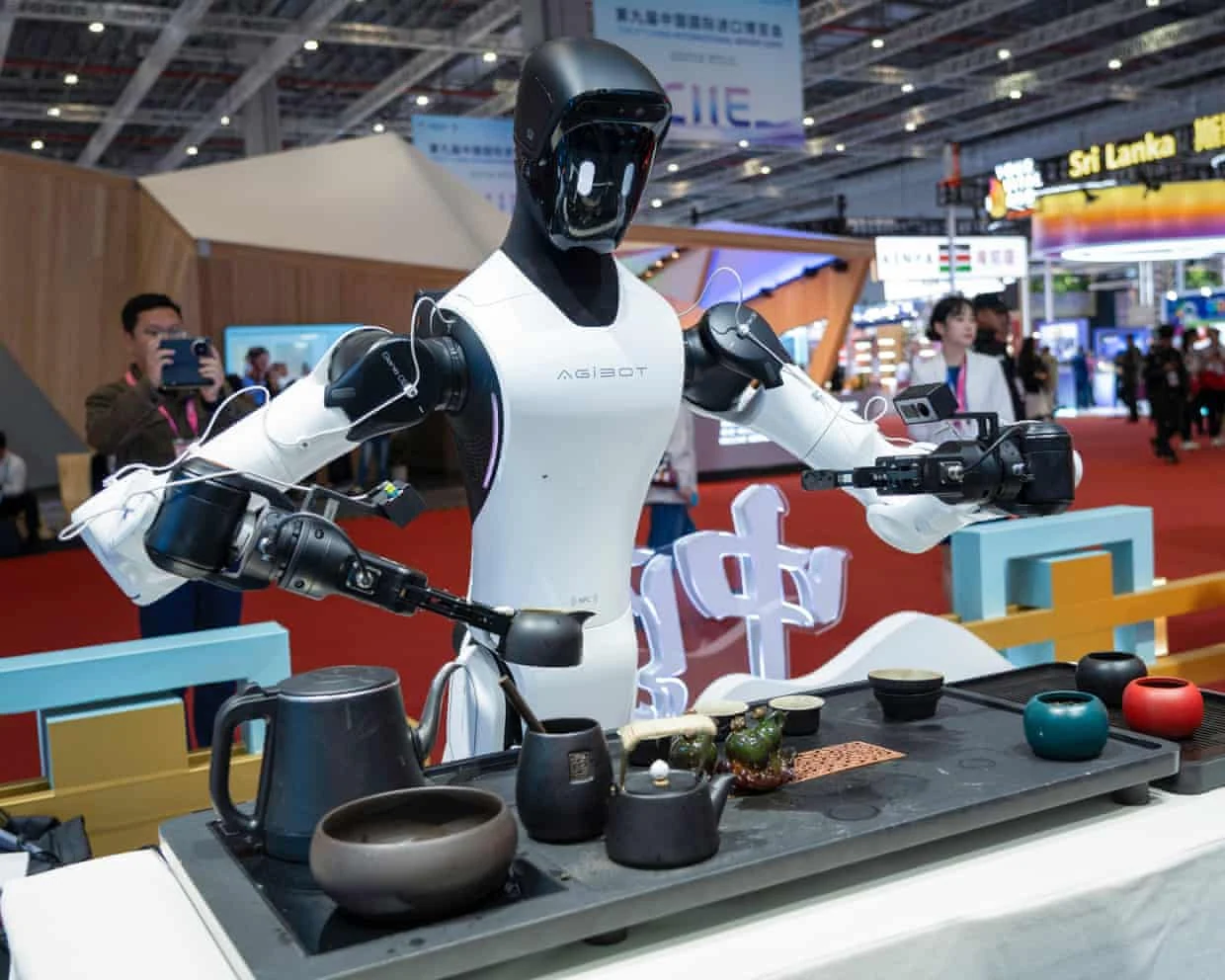
Eskelund disputes the idea that the competitive shift should be a surprise. He says reducing dependence on imports has been a consistent Chinese goal since the 2015 industrial strategy and across successive five-year plans. The latest plan emphasises fields including AI, robotics, quantum computing, green technology and advanced communications. He argues that national priorities are reinforced through incentives and support reaching regional and local levels. European businesses therefore need to assess policy direction as well as the current prices of competing products. Reporting context: The Guardian
Protection and dependence create different risks
European policymakers face demands for a tougher trade response as the deficit reaches roughly €1.18 billion a day. Eskelund warns that losing industrial capacity could weaken employment, public revenues and communities while creating dependencies that restrict future choices. However, he also rejects giving up on trade as the answer. His proposed discussion is about finding arrangements that produce value on both sides, rather than assuming that either complete openness or withdrawal automatically protects Europe's economic interests. Reporting context: The Guardian
Joining supply chains can become a competitive strategy
Some chamber members are shifting from producing in China primarily for Chinese customers toward using Chinese operations to compete globally. That can mean partnerships and participation in supply networks that improve their international cost position. Eskelund says this change has helped confidence among some companies despite intense competition inside China. The approach is not simply an export increase from Europe: it can involve making products within China and serving other markets through those supply chains, with different consequences for production located in Europe.
Adaptation does not resolve every policy question
Eskelund says many European firms still earn good money in China, complicating a picture of uniformly declining opportunity. At the same time, profitable individual operations do not settle concerns about domestic jobs or strategic dependence. His warning puts those questions together: companies may adapt successfully by integrating more closely with Chinese production while governments worry about the industrial base at home. The debate now concerns what forms of engagement preserve mutual commercial value without accepting avoidable vulnerabilities, and how Europe prepares for competition in the technologies China has prioritised.
Sources and editorial notes
This article compiles the linked reporting. Allegations, projections and research findings retain their original qualifications; this page does not represent independent field reporting or expert medical review.
- The Guardian (reporting)
November 17, 2026: Replaced repeated summary and FAQ templates, added source attribution and image description, and clarified the distinction between source publication and site edits. This editorial update is not an independent fact-check certification.