Two Alaska museum specimens once catalogued as mammoth material were identified as whale remains after unexpectedly recent radiocarbon ages prompted further checks. Isotope evidence suggested a marine origin, and mitochondrial DNA supported right-whale and minke-whale identifications. November 27, 2026 coverage revisits findings publicly described by the University of Alaska Fairbanks in December 2025. The correction does not establish how the specimens acquired their reported inland provenance, nor does it extend mammoth survival into recent centuries.
Key facts
The specimens carry collection labels associated with Otto Geist and the year 1951.
The museum’s dating project draws on a collection of roughly 1,500 mammoth fossils.
ScienceAlert reports revised ages of approximately 1,200–1,900 years for the whale material.
Museum records place processing of inland and coastal collections on the same day in July 1951.
A striking young date triggered a check of the label
The apparent discovery of very recent mammoths became a specimen-identification problem before it became an extinction claim. Matthew Wooller and colleagues received unexpectedly young radiocarbon results for material catalogued as mammoth bones. The University of Alaska Fairbanks account explains that such dates would be far younger than the youngest established mainland Alaska mammoth fossil. Rather than rewrite the timeline immediately, the researchers investigated whether the material belonged to a mammoth at all.
That sequence matters because a dating technique cannot by itself verify the species written on a museum label. Radiocarbon dating estimates age from the surviving radioactive carbon in organic material, with interpretation and calibration appropriate to its source. A seemingly precise date can still answer the wrong biological question if the sample has been misidentified. The university’s December 18, 2025 account describes Wooller’s initial surprise and the subsequent forensic work. This is a useful example of scientific caution: an extraordinary implication became a reason to test an assumption, not a reason to announce a surviving population first and ask questions later.
Chemistry and DNA changed the biological identification
The strongest correction comes from marine chemical signals and genetic evidence, not simply a fresh opinion about how the bones looked. ScienceAlert describes unusually high carbon-13 and nitrogen-15 signatures for the supposed land-grazing mammoths. Those isotope patterns prompted consideration of a marine source. Isotopes are versions of an element with different neutron counts; their proportions can help reveal where an animal obtained food and carbon, though they do not independently supply a complete life history.
The November 27 report then describes mitochondrial DNA supporting identifications as a North Pacific right whale and a common minke whale. Mitochondrial DNA is genetic material in the cell’s energy-producing structures, distinct from the larger nuclear genome. It provided a way to compare the specimens with known species when outward shape was insufficient. The university account independently confirms the two-whale result through interviews with the researchers. The desk has not reanalysed the sequences or accessed the journal paper in full. The identification reported here rests on those accessible accounts, while the distinction between chemical clues and genetic species evidence remains clear.
Why a whale bone could resemble mammoth material
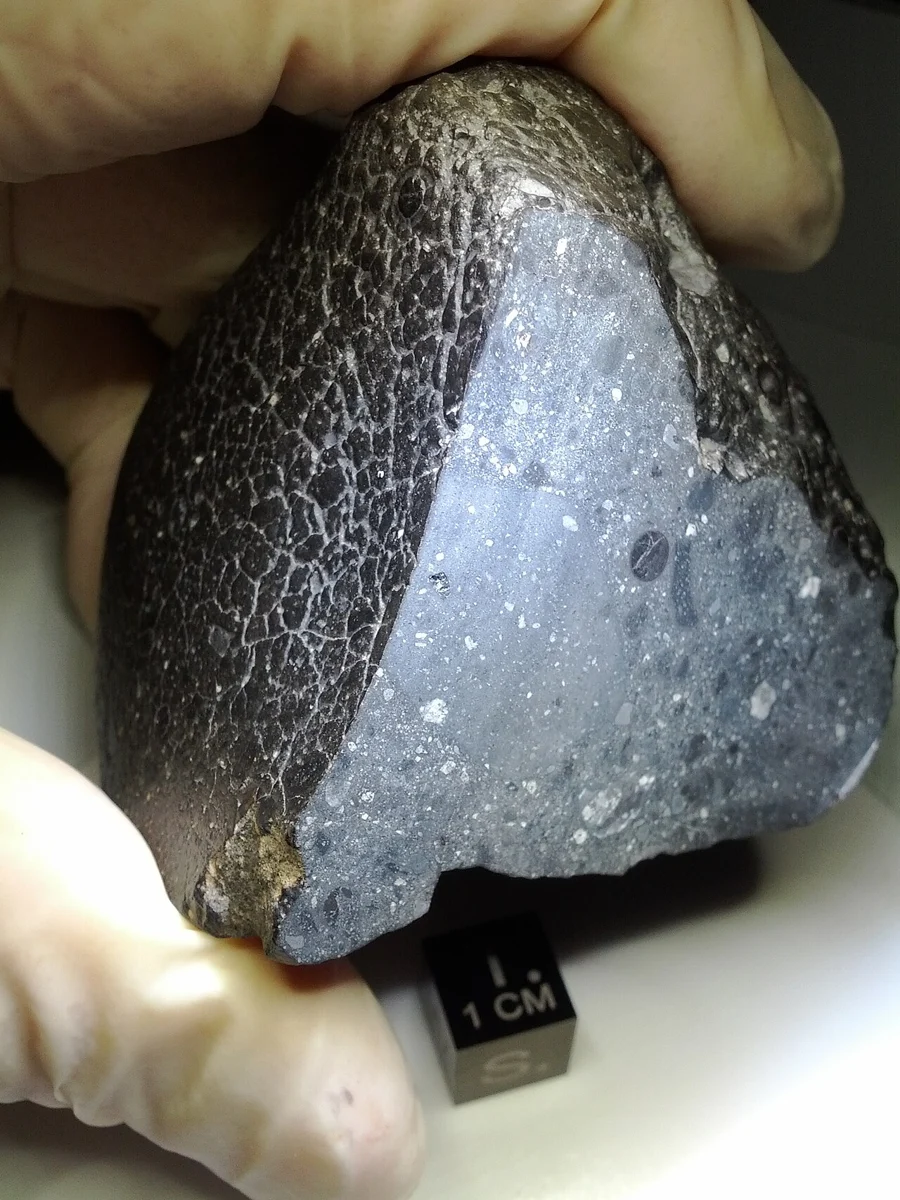
The objects are disc-like parts of vertebrae, not complete animals with unmistakable anatomy. The university account explains that mammoths and the whales involved have similarly shaped, porous connector elements in their backbones. Otto Geist’s collections were rich in fossils from Alaska, and a large isolated piece could seem consistent with an elephant relative when considered alongside an inland provenance. The error is therefore understandable without treating it as proof that all museum labels are unreliable.
The specimens entered a much larger process through Adopt-a-Mammoth, a project that allows the public to sponsor dating of fossils held by the UA Museum of the North. Its roughly 1,500 mammoth specimens make renewed testing valuable, but that number is a collection context rather than the sample size of this two-object correction. Compared with visual classification alone, combining dating, chemistry and DNA gives several opportunities to catch a mistaken assumption. Each technique has a different role. The case illustrates why preserving the physical specimen and its records matters: later methods can examine something that earlier collectors could only label using the evidence available to them.
The inland provenance remains a separate mystery
Identifying the bones as whales does not prove that whales travelled to the reported inland collection site. The accounts discuss several possibilities, including ancient human transport, an unusual animal journey and a collection or cataloguing mix-up. None is established as the final explanation. A species result answers what the material came from; provenance asks where it was found and how it moved before and after collection. Those questions require different evidence.
Patrick Druckenmiller, the museum director and palaeontologist interviewed in the university account, notes the potential significance of collection records. On July 7, 1951, material from the inland Dome Creek area and fossils associated with coastal Norton Bay were processed at the museum. That coincidence makes an accession error plausible, but it is not proof that a particular person swapped the specimens. Human transport is also a possibility rather than a demonstrated trade route; the reported pieces lack modification that would settle their use. The uncertainty should stay attached to the story. It would be misleading to replace an incorrect mammoth claim with an equally unsupported claim that two whales definitely swam hundreds of kilometres inland.
Fresh coverage does not make the finding a new 2026 discovery
The latest article is new coverage of evidence already publicly discussed in 2025, not a newly announced November 2026 excavation. The university’s dated account precedes ScienceAlert’s November 27 report by almost a year. Keeping both dates visible prevents a recurring science story from acquiring a false discovery date every time it is republished. It also leaves readers able to distinguish the original work from a later explanation that brings it to another audience.
For the mammoth timeline, the conclusion is narrower and firmer than the unresolved provenance: these two specimens do not demonstrate unusually late mainland mammoth survival. Revised ages reported for the whale material should not be transferred back onto mammoths. Readers encountering another dramatic fossil-age claim can check three linked questions: what was dated, how the species was identified and how secure the collection location is. Our wider science coverage follows the same separation between measurement and interpretation. This case is compelling because an attractive extinction story was rejected when additional evidence failed to support it. The remaining mystery is about the specimens’ journey and records, rather than a newly discovered population of recent mammoths.
Frequently asked questions
Does this correction mean all late mammoth evidence is invalid?
No. It concerns these two misidentified museum specimens. Evidence from other fossils or ancient DNA must be evaluated on its own samples, methods and provenance; the whale identification does not automatically decide those separate cases. University account.
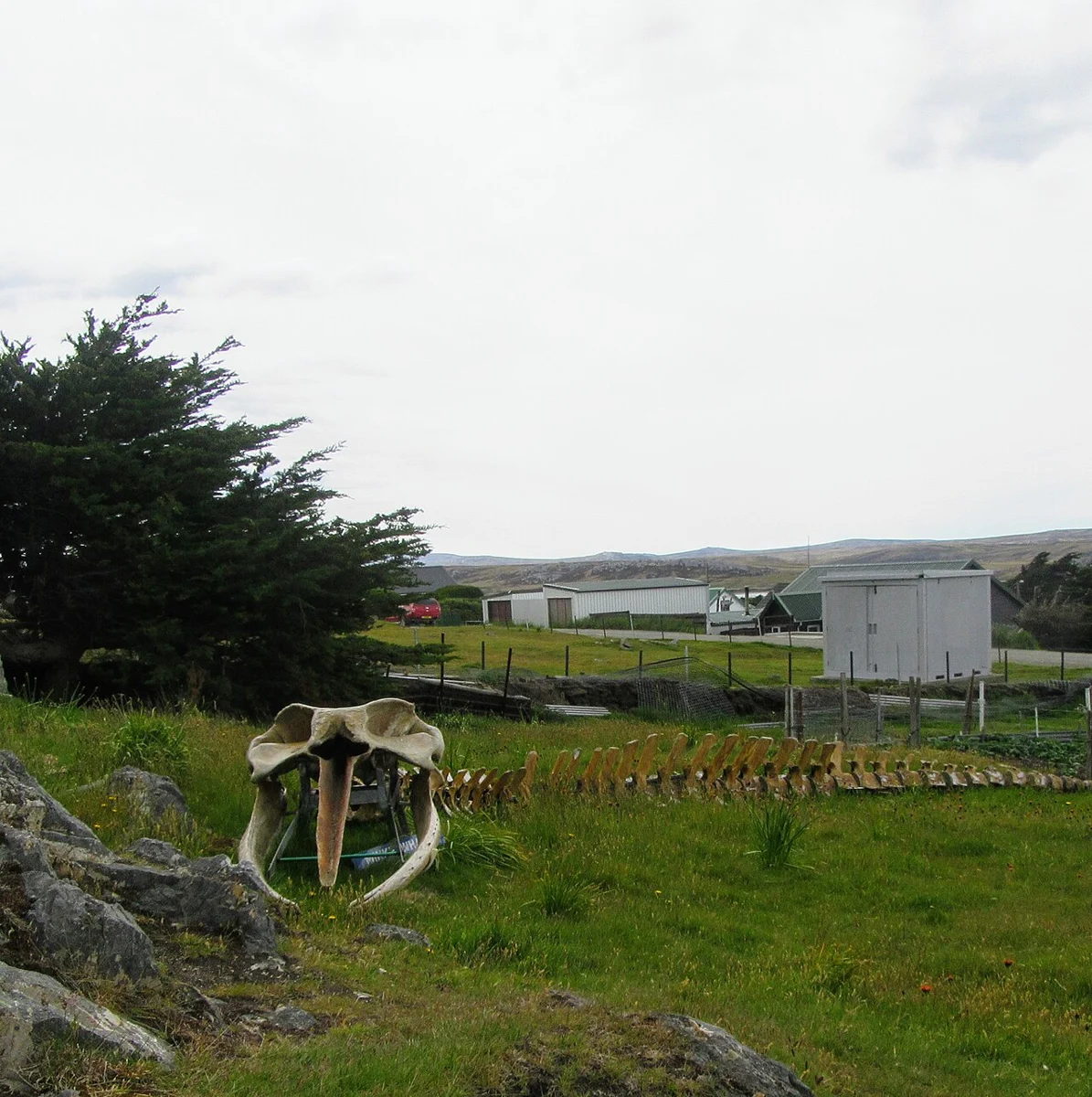
Are the whale remains in the hero photograph the two Alaska specimens?
No. The archival photograph shows a different whale skeletal display in the Falkland Islands and is illustrative. It is not a photograph of the material dated in this study. The image credit links to the original open-licensed file.
Sources and editorial notes
This briefing synthesises the linked primary and reporting sources below. Allegations, forecasts and early research retain their stated scope and qualifications.
- ScienceAlert (reporting)
- University of Alaska Fairbanks Geophysical Institute (primary)
November 28, 2026: Original English desk synthesis of opened sources, guided by reader questions recorded before drafting. Source publication dates are preserved separately. This compilation does not claim original interviews, field reporting or credentialed specialist review. Fresh coverage revisits the university account published December 18, 2025; no new November discovery is claimed.