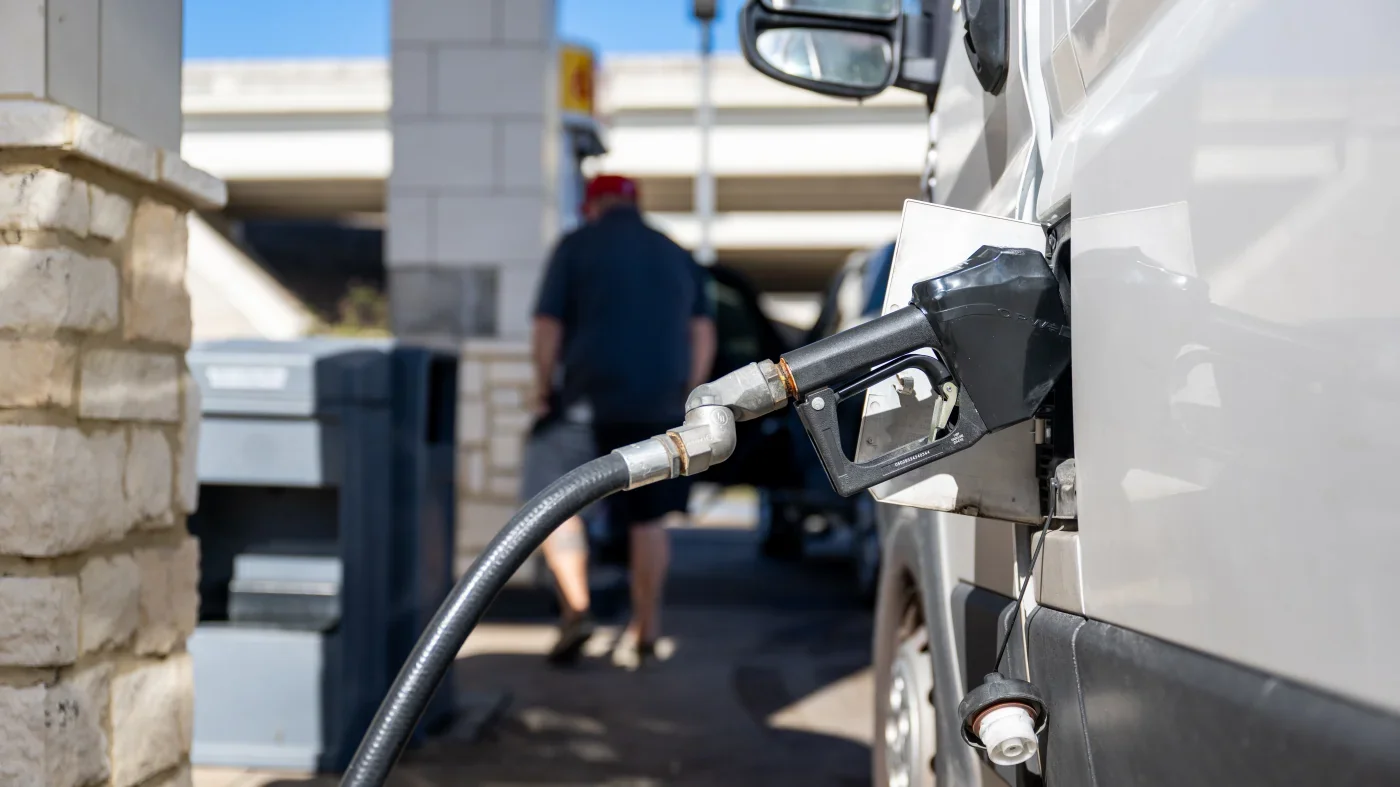
The national average price of regular gasoline has fallen below $4 a gallon for the first time in months. NPR cites AAA's average of $3.94, after a decline of about 40 cents over the preceding month. NPR
Key facts
Refineries also complete annual maintenance by late autumn, increasing the amount of fuel available. NPR
Winter fuel supports cold-weather starting and contains more butane, a comparatively cheaper ingredient. NPR
Rystad Energy's Jorge León pointed to additional oil reaching markets through Middle Eastern pipelines and investor optimism over intensified US-Iran diplomacy. NPR
US gasoline falls below a familiar threshold
The national average price of regular gasoline has dropped below $4 a gallon for the first time in months. NPR reports an AAA average of $3.94 after the threshold was crossed on Tuesday. Prices had fallen approximately 40 cents over a month, much of that in the most recent two weeks. The decline provides some relief to drivers, but the forces behind it include seasonal changes and developments in oil markets rather than a single event at the pump.
Autumn changes both demand and supply
Fewer people tend to drive in colder weather, reducing demand after the summer peak. Refineries also complete annual maintenance by late autumn, increasing the amount of fuel available. GasBuddy analyst Patrick De Haan cautioned against attributing the fall simply to the election. A price movement occurring after a political event does not by itself demonstrate that the event caused it. The seasonal balance of less driving and more refinery output can affect prices even without a new political decision.
Winter gasoline is cheaper to manufacture
Refineries produce different seasonal blends. Summer fuel is designed to evaporate less readily in heat, helping limit smog. Winter fuel supports cold-weather starting and contains more butane, a comparatively cheaper ingredient. The normal changeover is around 15 September, but US agencies advanced it to 1 September this year in response to prices driven up by the Iran war. The lower-cost blend contributes to relief, although analysts in NPR's report identify crude oil as the more important immediate driver. Reporting context: NPR
Oil traders respond to supply and diplomacy
Brent crude had fallen to roughly $90 a barrel. Rystad Energy's Jorge León pointed to additional oil reaching markets through Middle Eastern pipelines and investor optimism over intensified US-Iran diplomacy. Crude is the input refineries use to produce gasoline, diesel and aviation fuel, so changing expectations about its availability affect downstream prices. León warned that renewed military escalation could quickly reverse recent declines. Diplomatic progress changes market expectations before a complete physical recovery of production and shipping has occurred. Reporting context: NPR
A peace agreement would not instantly restore supply chains
Dow Jones Energy analyst Jaime Brito explained that a return to pre-war fuel prices would require recovery across the oil supply network. Ships using long alternative routes to avoid the Strait of Hormuz would need to return and resume normal journeys. Refineries would have to receive crude and produce enough fuel for ongoing demand while depleted stocks were rebuilt. Even after a durable peace settlement, that sequence could take months. A cheaper barrel today therefore does not establish that every earlier disruption has already disappeared.
Relief remains different from normalisation
AAA says gasoline is still unusually expensive for this time of year, despite dropping below the psychologically important $4 level. Further declines are possible if oil prices continue falling, but they depend on conditions that remain uncertain. Seasonal factors can ease pressure while conflict keeps the wider system disrupted. Drivers are seeing a real reduction in the current national average; whether it lasts will depend on oil supply, shipping, refinery output and the course of the war, rather than the threshold itself. Reporting context: NPR
Sources and editorial notes
This article compiles the linked reporting. Allegations, projections and research findings retain their original qualifications; this page does not represent independent field reporting or expert medical review.
- NPR (reporting)
November 17, 2026: Replaced repeated summary and FAQ templates, added source attribution and image description, and clarified the distinction between source publication and site edits. This editorial update is not an independent fact-check certification.