NPR’s reporting in Pakistan and Bangladesh follows garment workers who describe heat, production pressure and low pay while making clothes for major global brands. NPR
Key facts
One worker, identified by NPR as S., said she earned about $144 a month at a factory in Pakistan and supported her son and mother. NPR
Artistic Garment Industries confirmed that it makes clothes for American Eagle and told NPR it does not push out workers who complain. NPR
NPR interviewed around 20 workers in Bangladesh and Pakistan, who described making products for brands including Levi’s, Massimo Dutti, The Gap, H&M and American Eagle. NPR
A viral campaign hides a familiar supply chain
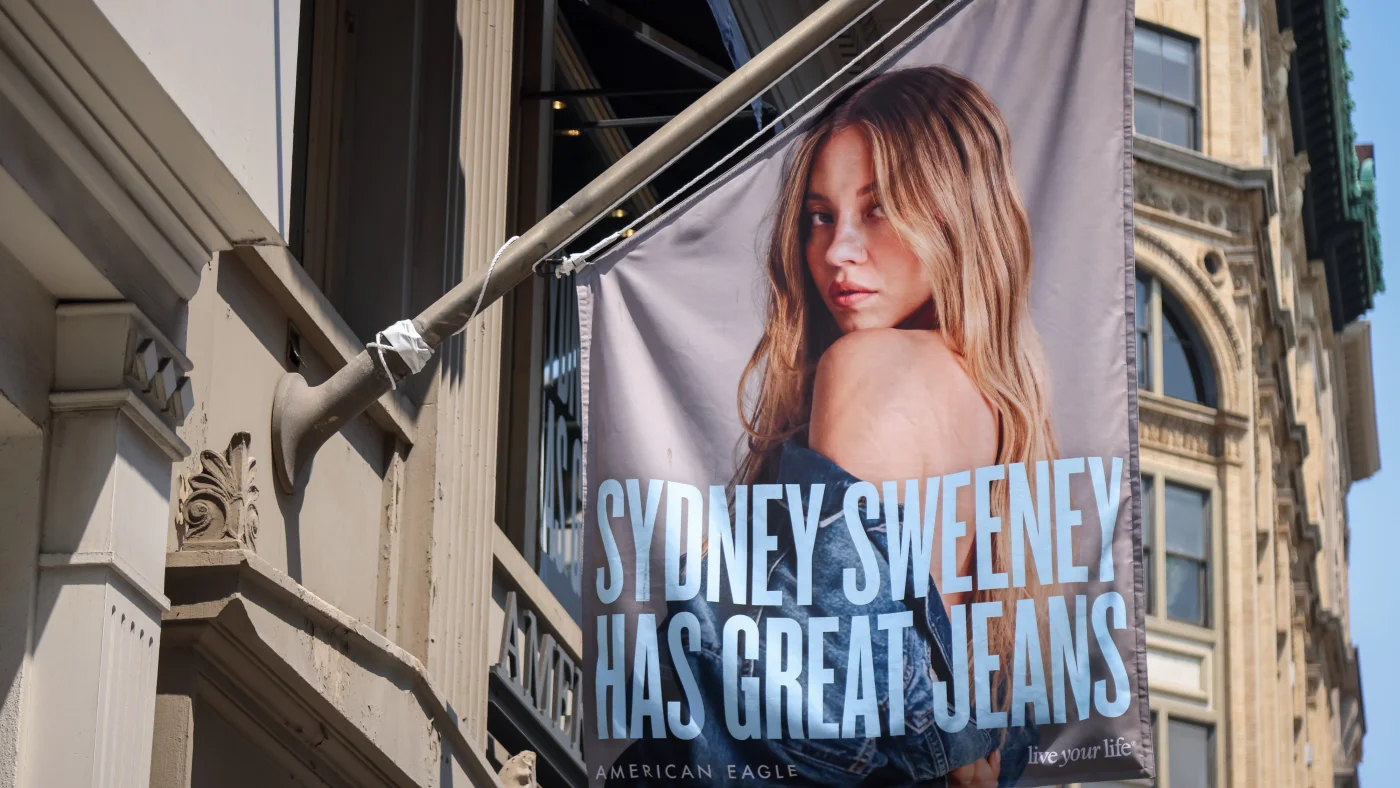
NPR examined who makes the American Eagle jeans featured in Sydney Sweeney’s advertising campaign. The campaign drew debate over its “great jeans” wording, but the reporting shifted attention from the celebrity image to the people who cut, sew and inspect the clothes. Most global garment production happens in Asia, far from the consumers who see the finished product in a polished advertisement.
A worker describes heat and production targets
One worker, identified by NPR as S., said she earned about $144 a month at a factory in Pakistan and supported her son and mother. She described an extremely hot workplace, difficulty leaving her station for water and responsibility for checking 1,000 to 1,600 pieces a day. She also said she had fainted three times in a year. NPR used only an initial because workers feared losing their jobs or being blacklisted. Reporting context: NPR
The factory and brand responses matter
Artistic Garment Industries confirmed that it makes clothes for American Eagle and told NPR it does not push out workers who complain. The company said it has a complaints system and checks temperatures in different parts of its factories. American Eagle said it works with suppliers to protect workers’ health, safety and rights, and that it takes the concerns raised by the workers seriously.
One label can connect many brands
NPR interviewed around 20 workers in Bangladesh and Pakistan, who described making products for brands including Levi’s, Massimo Dutti, The Gap, H&M and American Eagle. Factories often produce for several labels at once. That makes responsibility difficult to see from the outside: a brand may set standards in a supplier code while the people on the production line experience the pressure of output targets and subcontracting. Reporting context: NPR
What transparency would look like
The reporting points to questions shoppers cannot answer from an advertisement: which factory made a garment, what wage system was used, how heat and water access are monitored, and whether workers can complain without retaliation. Publishing supplier lists, audit findings and remediation steps would give those claims a way to be checked. The cost of a pair of jeans is therefore also a question about who has bargaining power along the chain. Source: NPR
Sources and editorial notes
This article compiles the linked reporting. Allegations, projections and research findings retain their original qualifications; this page does not represent independent field reporting or expert medical review.
- NPR (reporting)
November 17, 2026: Replaced repeated summary and FAQ templates, added source attribution and image description, and clarified the distinction between source publication and site edits. This editorial update is not an independent fact-check certification.