Poundland’s rising sales and its risk of administration describe different parts of the business. The BBC reports an improving trading performance alongside restricted access to the cash needed for stock and day-to-day operations. The decisive issues are financing, ownership and a rescue agreement, rather than whether customers have stopped using the shops. BBC News
Why the chain faces a rescue deadline
The future of Poundland hangs in the balance as it faces a possible collapse into administration.
Its owner, US investment firm Gordon Brothers, put it up for sale in September, but then rejected offers to keep the business afloat.
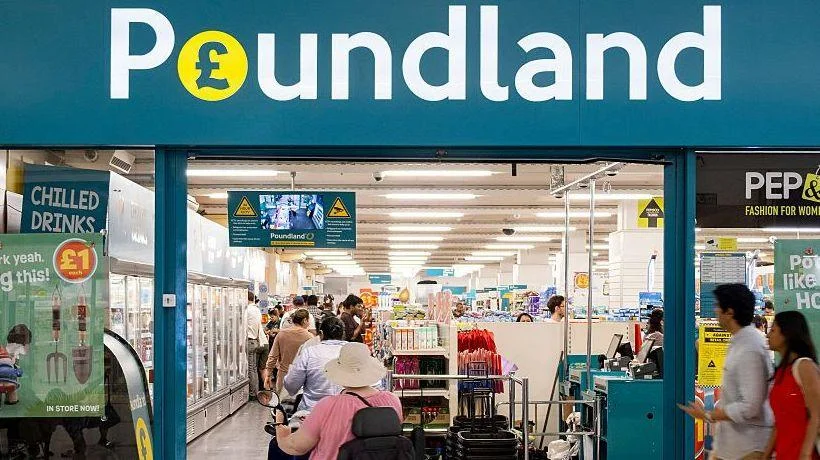
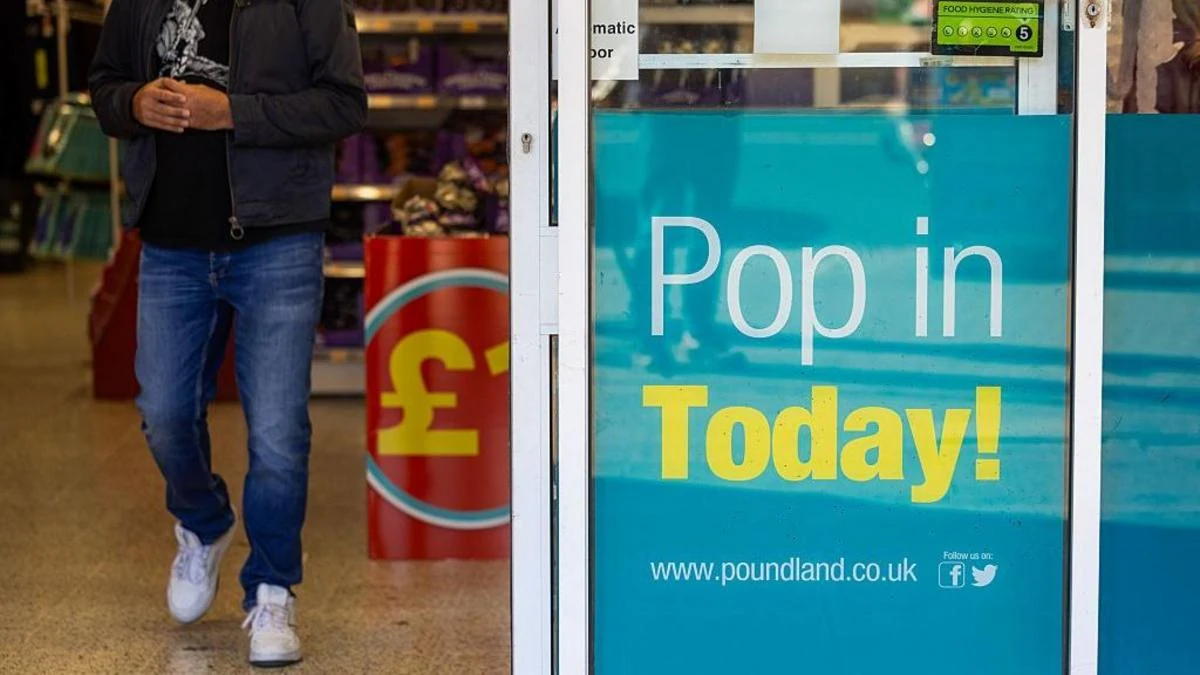
Poundland has a major presence on the High Street, with 600 stores in the UK and Ireland, where it trades under the Dealz brand.
If it were to collapse, the jobs of its 11,000 employees would be at risk, as well as potentially thousands of others at firms that supply the retailer.
For now, Poundland has avoided immediate collapse after a deadline was extended by 10 days to find a rescue deal.
How sales compare with the funding problem
People have not stopped shopping at Poundland - quite the opposite.
Although the chain was struggling when it was sold by Pepco last year for £1, the business turned a corner over the year to September, going from a £68m loss to an £18.1m profit before interest, tax and certain accounting charges.
Going into the vital Christmas period, first-quarter like-for-like sales were up 7% and operational profits of £1.9m were up £1.2m on last year.
Halloween sales were 11.4% higher than last year - this is usually a good indicator of how a retailer will do at Christmas, says retail analyst Catherine Shuttleworth of Savvy Marketing.
According to Julie Palmer, managing partner at insolvency specialist Begbies Traynor: "This isn't a story about shoppers abandoning Poundland. The tills are busier than they were a year ago."
She adds: "On the face of it, a turnaround seems well under way."
However, Gordon Brothers has been restricting Poundland's access to cash needed to restock stores and meet day-to-day expenses.
It had frozen about £50m in funds leading to concerns Poundland's shops would run out of stock.
However, Gordon Brothers released around £21m over two weeks recently, giving the chain a little more breathing space.
Poundland seems to be facing "a funding and ownership problem rather than a trading collapse", Palmer says.
The owner’s role as a lender
However, while Poundland boss Barry Williams says the business is making a "strong recovery", Gordon Brothers has painted a different picture, saying the chain remains "challenged and vulnerable to any potential downturn in future trading".
It says it has provided significant funding to support the company's ability to trade since it acquired the business.
It has also made about £18m from a combination of debt interest payments and other fees and charges.
As well as being Poundland's owner, it is one of its lenders, and is owed loans, including a £22.5m shareholder loan it inherited when it bought the business for £1.
As the main creditor, Gordon Brothers would be first in line to get paid back if the business goes under - but its suppliers are not.
"When the owner is also the main lender, its first priority is recovering [loans]," says Palmer. "Sometimes the route that best protects the lender is different from the one that saves the most jobs, and that tension is why this has become such a political story."
The competing sale and break-up options
Irish firm Martin Property Group has offered to buy the business as a going concern, while London-based holding company Xyra Group has also made a rescue bid, although doubts remain about the credibility of Xyra's offer.
There is also a third, unnamed bid on the table.
Gordon Brothers has also been weighing options to break Poundland up.
The US company's view is that ultimately breaking the retailer up will provide more security for employees in the long term, because any buyers of its store estate will also have to agree to keep the employees on.
Insiders who are critical of how Gordon Brothers has handled the Poundland sale say it is driving the business into the ground to make money through the insolvency process.
But the investment firm, which specialises in buying and restructuring distressed companies, has denied the claim.
What would determine the next stage
Shuttleworth says the future of Poundland is "really unclear, with the owners and the management at loggerheads about its future".
Palmer says there are two ways forward for Poundland - either a solvent deal, where the company gets bought and carries on trading, or a collapse followed by a break-up.
"The immediate make-or-break issue is Christmas: a value retailer that can't get stock on its shelves in November and December is in serious trouble, whatever its full-year results say," says Palmer.
There has been political pressure on Gordon Brothers from both Prime Minister Andy Burnham and Business Secretary Jonathan Reynolds. They have called for answers over why the Martin Property Group offer to buy the business, which would have protected jobs, was rejected.
A committee of MPs also questioned Gordon Brothers last week, adding to pressure.
But Shuttleworth says that as a US firm Gordon Brothers appears "unmoved" by the arguments that the UK government has put forward.
Frequently asked questions
Is Poundland closing all its shops?
No. The report concerns financial and rescue pressure; it does not establish that every store will close or that a final restructuring has been completed.
Why does Poundland need a rescue when its sales have improved?
The article distinguishes trading performance from access to funding. Improved sales and operating results do not by themselves provide the money needed for stock, wages and rent while ownership and rescue negotiations remain unresolved. BBC News
Sources and editorial notes
This article compiles the linked reporting. Allegations, projections and research findings retain their original qualifications; this page does not represent independent field reporting or expert medical review.
- BBC News (reporting)
November 23, 2026: Corrected section boundaries, removed extraction debris and repeated summary text where present, and clarified source attribution or image descriptions. This is an editorial repair of the cited reporting, not independent reporting, product testing or specialist fact-check certification. November 23, 2026: Added source-linked reader questions and answers based on the reporting already compiled in this article. These questions are editorial selections, not measured search queries.