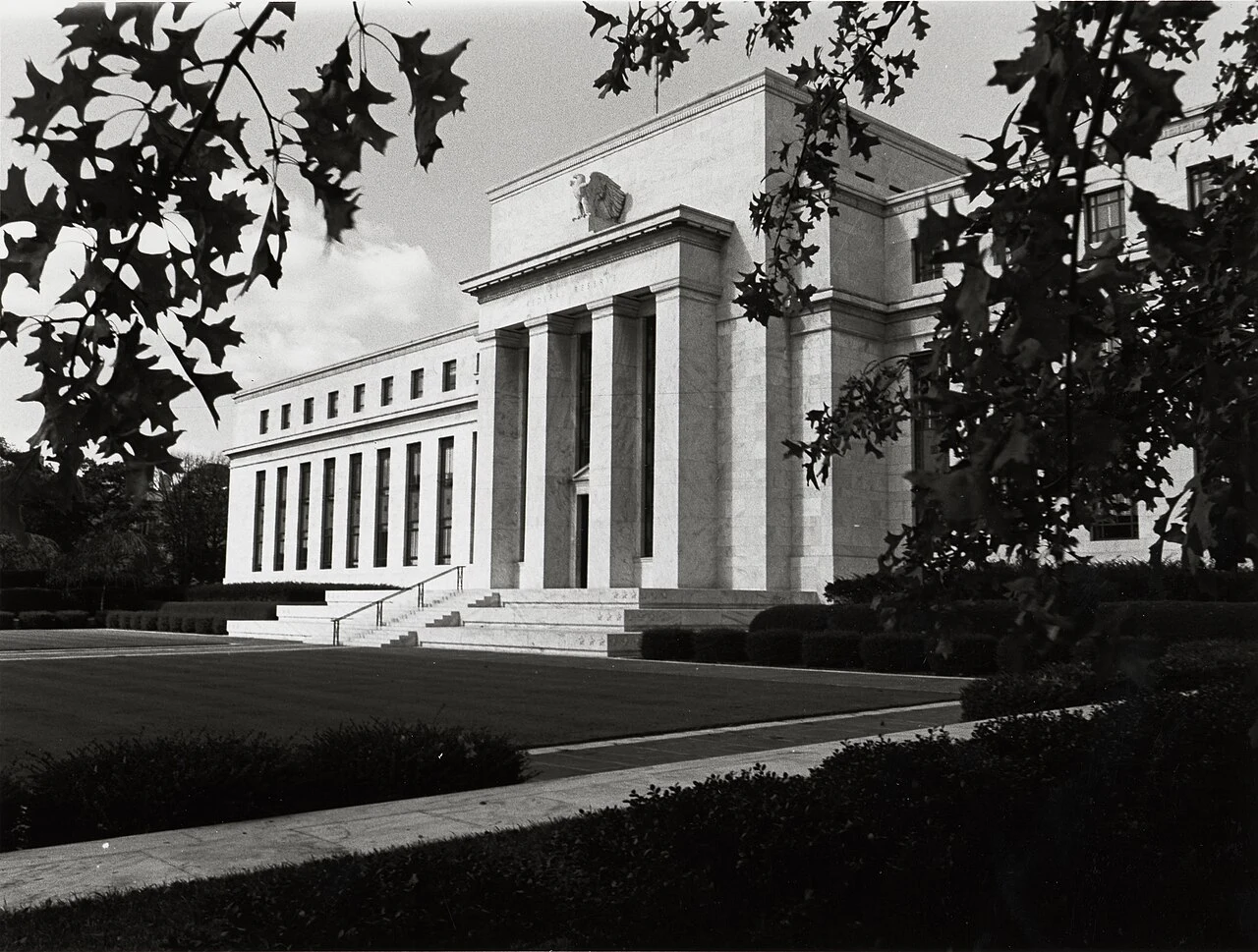
Photo: Cbaile19 / Wikimedia Commons (CC0)
Federal agencies say Regulation Z and Regulation M will generally cover consumer credit and lease transactions of $76,300 or less in 2027. Mortgages and private education loans remain subject to Regulation Z regardless of amount. A separate adjustment raises the small-loan exemption from special higher-priced mortgage appraisal requirements to $35,500 from January 1. These thresholds determine particular regulatory coverage; they do not approve a loan, set its interest rate or remove every appraisal obligation.
Key facts
The general 2027 consumer credit and lease threshold is $76,300, according to the Federal Reserve and CFPB.
The separate higher-priced mortgage appraisal exemption threshold rises from $34,200 to $35,500.
Both announcements use a 3.9% annual CPI-W increase for the adjustment.
Real-property-secured loans and private education loans remain covered by Regulation Z regardless of size.
Two announcements, two different questions
The Federal Reserve and CFPB announcement concerns whether certain consumer credit and lease transactions fall within Regulation Z and Regulation M protections in 2027. Transactions at or below the new $76,300 threshold are generally covered. The agencies adjust this boundary annually using the Consumer Price Index for Urban Wage Earners and Clerical Workers, known as CPI-W.
A second joint announcement with the OCC concerns a much narrower mortgage rule: the smaller-loan exemption from special appraisal requirements for higher-priced mortgage loans. Its threshold becomes $35,500 on January 1, 2027. Applying one number to the other rule would give a borrower the wrong explanation of what changes.
What $76,300 does, and what it does not buy
The disclosure threshold is a regulatory boundary, not a credit limit made available to everyone. The announcement does not change a lender’s decision about income, affordability, collateral or approval. It also does not set a borrowing rate or guarantee that a lease is good value.
The word generally matters. The agencies explicitly retain Regulation Z coverage for private education loans and loans secured by real property, such as mortgages, regardless of their amount. A mortgage above $76,300 is therefore not outside Regulation Z merely because it exceeds the general dollar figure. A reader comparing offers should ask which transaction and rule the provider is discussing.
Why the mortgage appraisal exemption is separate
For higher-priced mortgage lending, the agencies describe a special requirement for a written appraisal based on a physical visit to the home’s interior. The implementing rules exempt loans at or below an annually adjusted amount. That smaller-loan threshold increases from $34,200 to $35,500 for 2027.
An exemption from this particular requirement is not a statement that a property never needs a valuation or that no other rule or lender requirement can apply. Likewise, a loan above the threshold should not be classified from its size alone: the announcement concerns higher-priced mortgages and a specific set of appraisal rules, rather than every form of housing finance.
What the inflation adjustment actually measures
Both releases cite a 3.9% annual CPI-W increase as of June 1, 2026. That figure explains the statutory threshold adjustment. It should not be confused with a new interest rate, a change in a borrower’s monthly repayment or the PCE inflation figures released separately this week.
For the appraisal exemption, the increase is $1,300. The two rounded thresholds have different starting values and different functions. Their common inflation input does not make the resulting dollar amounts interchangeable or establish a new general exemption from consumer protection.
How to use the information when comparing 2027 offers
First identify whether the product is consumer credit, a lease, a private education loan or a mortgage. Then identify the transaction date and the specific protection under discussion. The credit and lease release describes the 2027 coverage boundary; the appraisal release explicitly gives January 1 as the mortgage adjustment’s effective date.
Ask the lender or lessor to explain the disclosures and any appraisal requirements for the actual product. These publications establish changes to regulatory thresholds, not personalised advice or permission to skip a document. Keeping the product, year and rule together is the useful comparison before signing.
Frequently asked questions
When do the new thresholds take effect?
They concern 2027 transactions. The mortgage appraisal announcement explicitly sets January 1, 2027 as its effective date; the credit and lease announcement gives the general threshold for 2027. They are not new borrowing limits taking effect on the announcement day.
Does $76,300 mean I can borrow that much?
No. The joint release uses $76,300 to define general coverage under particular credit and leasing protections. It does not approve an application, establish affordability or promise a credit line.
Are mortgages and private education loans exempt above that amount?
No. The agencies explicitly say private education loans and loans secured by real property are subject to Regulation Z regardless of amount. The general threshold does not remove that coverage.
Does the $35,500 mortgage threshold remove every appraisal requirement?
No. The separate release concerns the smaller-loan exemption from special appraisal requirements for higher-priced mortgages. It does not abolish every valuation, appraisal or lender requirement.
At a glance
| Rule | 2027 amount | Scope |
|---|---|---|
| Regulation Z / M general boundary | $76,300 | Certain consumer credit and leases; exceptions apply |
| Mortgage and private education exception | No amount cutoff stated | Regulation Z applies regardless of size |
| Special higher-priced mortgage appraisal exemption | $35,500 | Smaller-loan exemption, effective January 1 |
| CPI-W adjustment input | 3.9% | Statutory inflation adjustment, not a loan rate |
Sources and editorial notes
This briefing synthesises the linked primary and reporting sources below. Allegations, forecasts and early research retain their stated scope and qualifications.
- Federal Reserve and CFPB: 2027 credit and lease thresholds (reporting)
- Federal Reserve, CFPB and OCC: 2027 appraisal exemption (primary)
November 26, 2026: Original English synthesis of the sources linked here, with reader questions selected before drafting. Source publication dates are retained separately. This is an attributed compilation, not a claim of original interviews, on-scene reporting or specialist review. November 25, 2026: Added visible open-license photography credit beneath the article cover. Excluded from search indexing (general-information YMYL scope) while keeping the page accessible on-site.