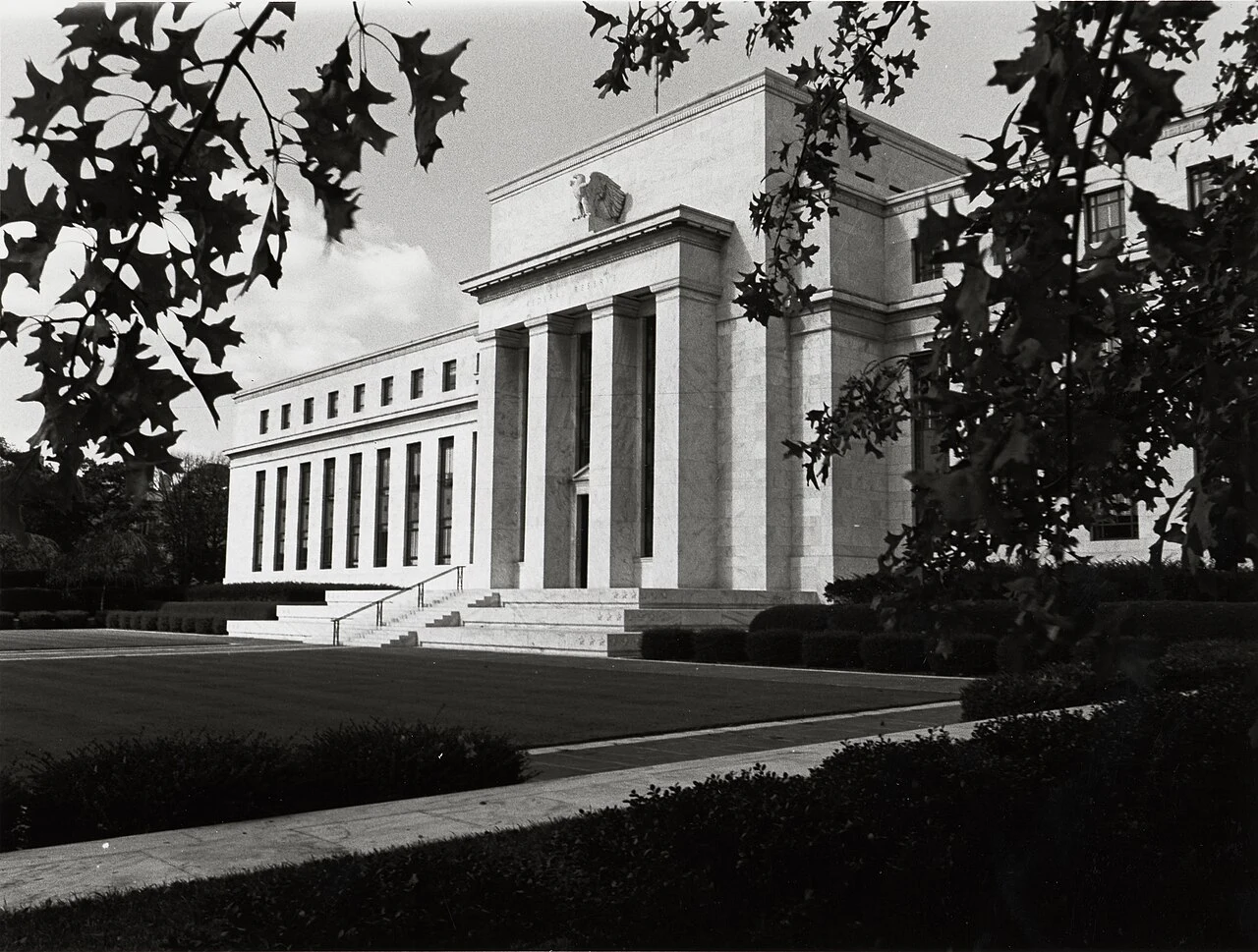
The Federal Reserve’s November 24 release publishes records of discount-rate meetings held on October 19 and 28, 2026. The Board maintained the primary credit rate at 4% at both meetings despite requests from several Reserve Bank boards for 4.25%. These are records of an earlier process, not a new November rate announcement. The discount window provides collateralised funding to eligible institutions; households cannot borrow from it at the quoted rate.
Key facts
The release covers October 19 and October 28 meetings, not a policy meeting on November 24.
On October 19, seven Reserve Bank boards had requested 4% and five had requested 4.25%.
By October 28 the records list eight Reserve Bank boards requesting 4.25%; the Board still approved 4%.
The October 28 record separately describes an unchanged federal funds target range of 3.75%–4%, effective October 29.
What was released on November 24?
The Federal Reserve announcement makes public the Board’s discount-rate records for two October meetings. Publication adds detail about the earlier debate; it does not date those discussions to November or announce a fresh change in the price of credit. This separation is essential when an old rate appears beside a new release date.
The full minutes cover October 19 and October 28. In each case the Board approved the primary credit rate at the existing 4%. The numbers below describe those recorded decisions and requests, rather than a continuously updated list of today’s lending rates.
What the October 19 split actually measures
For the first meeting, directors of seven Reserve Banks had sought to retain 4%, while five had sought a rise to 4.25%. The five seeking the increase were Boston, Cleveland, Chicago, St. Louis and Minneapolis. The Board approved keeping the rate unchanged.
These were Reserve Bank directors’ discount-rate requests, subject to review and determination by the Board of Governors. They are not a count of dissenting Federal Open Market Committee voters. Recasting a seven-to-five distribution of regional requests as a divided FOMC decision would conflate different bodies and different procedures.
What changed in the requests by October 28?
The second record lists Richmond, Kansas City and Dallas joining the five Reserve Bank boards seeking 4.25%, bringing that group to eight. Atlanta had again requested 4%. The minutes say the Board expressed no sentiment for changing the primary credit rate at that time and maintained 4%.
The same record describes the FOMC keeping its federal funds target range at 3.75%–4%, effective October 29, with interest on reserve balances at 3.90%. Those figures serve different functions. One is a target range for an overnight money-market rate, another is the rate paid on reserve balances, and primary credit is the discount-window lending programme.
Why the discount window is not a household loan offer
The Federal Reserve discount window guidance says depository institutions and US branches and agencies of foreign banks can borrow after executing legal agreements and pledging collateral. Generally sound institutions can qualify for primary credit, with terms ranging from overnight to 90 days.
That framework supports liquidity management and the flow of credit through the banking system. It does not allow a household to refinance a mortgage or credit card directly with the Fed at 4%. Consumer products have their own contracts and pricing. Reading an institutional funding rate as an immediately available retail offer would give borrowers a false expectation.
What the records say about the economy, and what they do not predict
Reserve Bank directors described broadly stable activity and labour conditions alongside rising construction, energy, transportation and technology costs. They also reported weaker loan demand at higher interest rates and continued inflation pressure, with some signs of price-sensitive consumer behaviour. These observations help explain why higher-rate requests were discussed even though the Board held the rate.
They remain observations made in October. They do not specify a later meeting’s decision, guarantee a rate increase or fix the return on a savings account. Borrowers and savers should distinguish the historical information in the minutes from a new policy announcement and from the terms their own provider actually offers.
Frequently asked questions
Does releasing these minutes announce a new interest rate?
No. The November 24 release publishes October meeting records. The minutes show the Board retaining the primary credit rate at 4% on October 19 and 28; publication itself is not a new rate decision.
Can households borrow from the discount window?
No. The Federal Reserve discount window guidance describes lending to eligible depository institutions and US branches and agencies of foreign banks, with legal agreements and collateral. It is not a retail mortgage or personal-loan facility.
How is the discount-rate process different from an FOMC decision?
Reserve Bank boards request discount rates subject to the Board of Governors’ review, while the FOMC decides the federal funds target range. The October minutes record both processes; regional requests for 4.25% are not FOMC dissent votes.
At a glance
| Item | Recorded position | What the date means |
|---|---|---|
| October 19 | Primary credit maintained at 4% | Board meeting; five banks had requested 4.25% |
| October 28 | Primary credit maintained at 4% | Board meeting; eight banks listed seeking 4.25% |
| October 29 | Funds target 3.75%–4% and reserve interest 3.90% | Effective date stated in the October record |
| November 24 | Minutes published | Disclosure date, not a new rate action |
Sources and editorial notes
This article compiles the linked reporting. Allegations, projections and research findings retain their original qualifications; this page does not represent independent field reporting or expert medical review.
- Federal Reserve Board (reporting)
- Federal Reserve discount window guidance (primary)
- Federal Reserve: full October discount-rate minutes (PDF) (primary)
Original English synthesis compiled on November 25, 2026 from the sources listed below. Source publication times are retained separately; statements, forecasts and unresolved questions remain attributed.