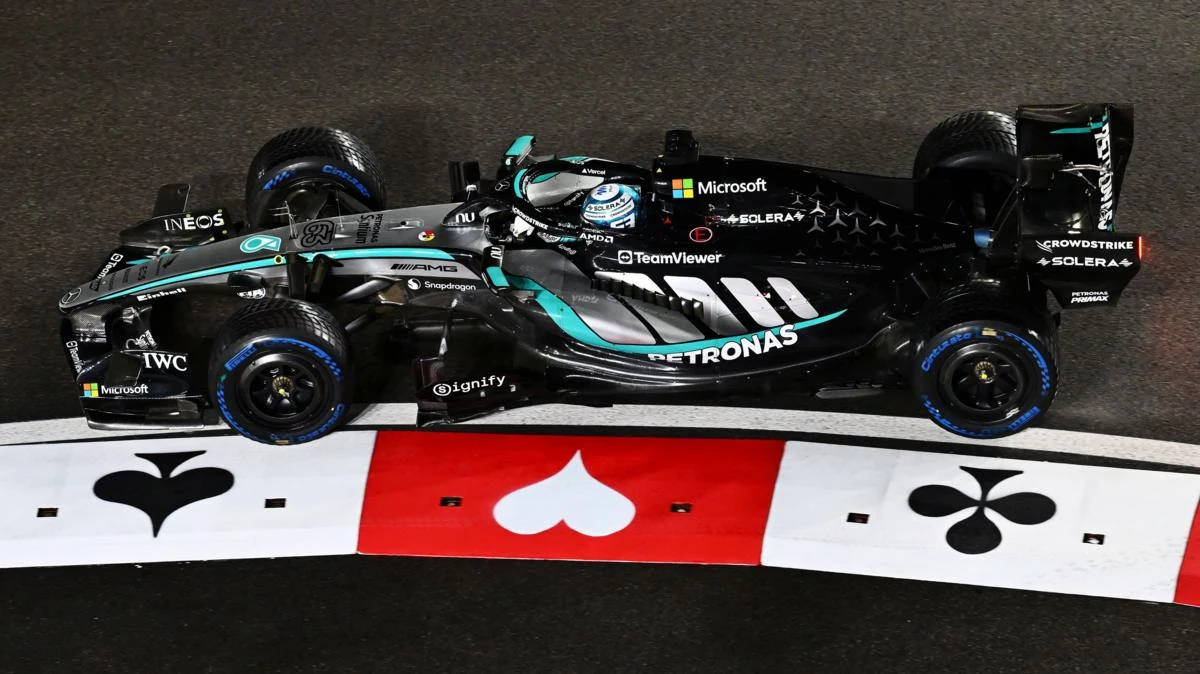
George Russell led a Las Vegas practice session on a drying track, with Pierre Gasly close behind. The BBC report makes clear why the order needs context: later laps benefited from improving conditions, while the expected dry qualifying session would require different tyre preparation. Engine-part penalties were a separate influence on the eventual starting grid. BBC Sport
The second-practice result
Mercedes driver George Russell topped a second practice session at the Las Vegas Grand Prix run on a wet but slowly drying track.
Russell, competing with Red Bull's Max Verstappen for second in the championship in the final three races of the year, set his time right at the end of the session.
The same applied to Alpine's Pierre Gasly, who went second, 0.071 seconds behind Russell, with a lap even later the Briton's.
Ferrari's Charles Leclerc, the main pace-setter throughout the session, was third fastest ahead of Red Bull's Isack Hadjar.
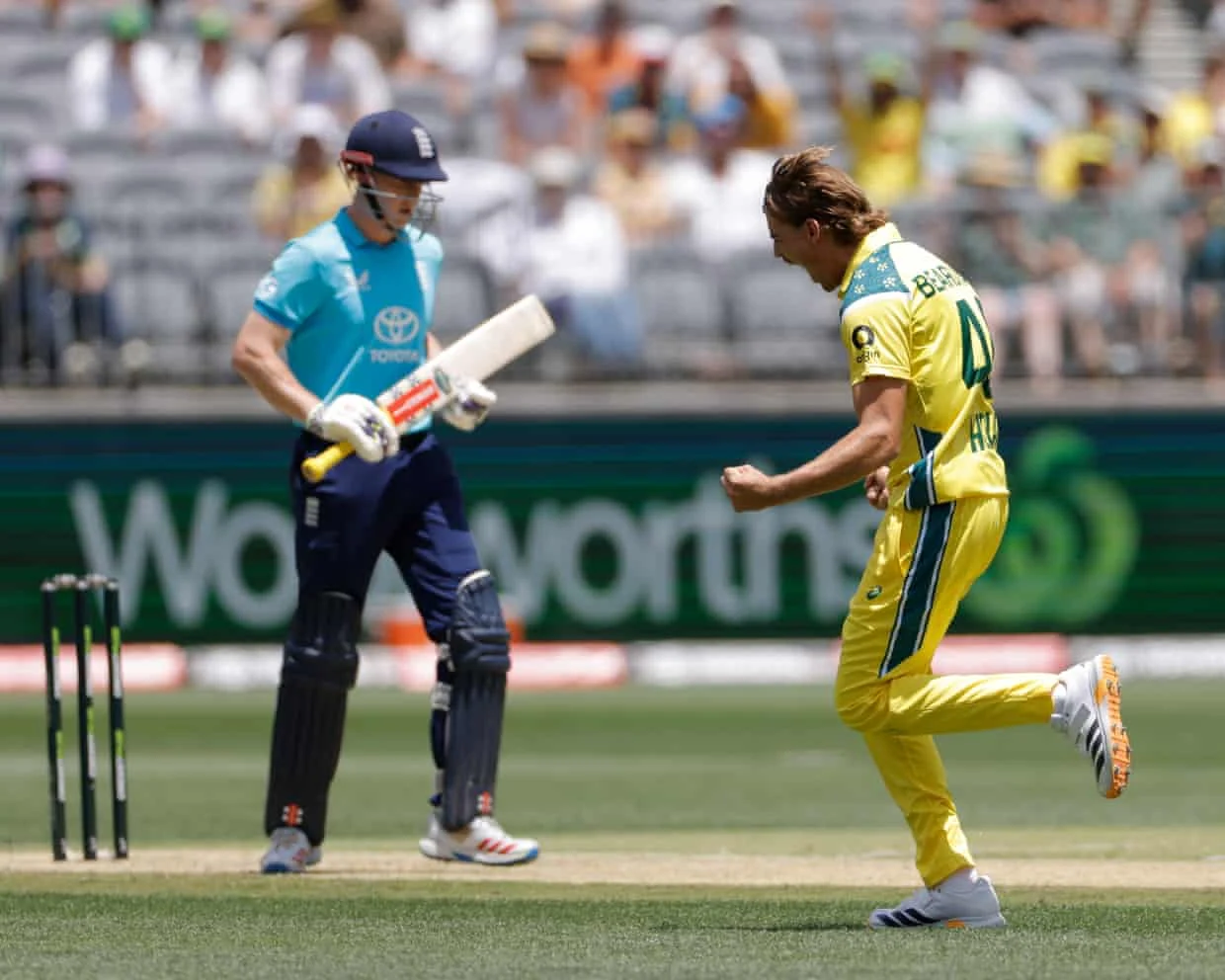
The Frenchman had a faster lap ruined when he was blocked by Haas' Oliver Bearman at the end of the Strip.
McLaren's Oscar Piastri was fifth, ahead of Ferrari's Lewis Hamilton and the second McLaren of Lando Norris, who was fastest in the wettest early part of the session.
New world champion Kimi Antonelli was eighth fastest, ahead of Alpine's Franco Colapinto and Aston Martin's Fernando Alonso.
Why a drying track complicates comparisons
Russell said: "We know in the wet it is different every lap, every session, realistically we were not the fastest today.
"McLaren looked exceptionally fast. Charles looked very fast at points, we just got the lap in when the track was at its driest and Norris didn't run.
"We have some things to understand because Kimi and I were very competitive in the wet last week and both of us were off the pace."
Hadjar added: "It was good fun but I don't think it's very useful for tomorrow. Just shaking down the car."
Verstappen did not run until late in the session but was complaining about a problem with his engine.
Perhaps surprisingly given the conditions, the session was incident-free, although it was stopped briefly in the closing stages to recover a plastic bag that had blown on to the circuit.
Williams driver Alex Albon said: "I'm always surprised when I see no crashes. Trickiest track of the year, lowest grip of the year, these cars and a wet track is a lot of sliding."
Tyre preparation for a dry qualifying session
The forecast is for dry weather for the rest of the weekend and the teams' focus will be on understanding the tyres, with warm-up so difficult in the cold conditions and with low loads going through the tyres.
This issue is exacerbated this year with the new 'straight-line mode', in which the wings open to reduce drag on the straights to aid energy recovery.
Russell said: "It's always a challenge here in Vegas but the added challenge this year with the nature of the cars, the SM zones everywhere, you're not putting any vertical load in the tyres so they are getting substantially cooler in the straight than in the previous years and they were already pretty cool."
In the first practice session, no driver completed a timed lap because the track was extremely wet and teams preferred to save their limited allocation of wet-weather tyres.
Hamilton said: "It wasn't a great day just sitting around waiting. You can't really test much in those conditions. And everything you learn from today you have to forget because tomorrow is supposed to be dry, so we kind of start from tomorrow.
"Everyone is (going in blind). No-one has put the slicks on, so we will have to react quickly. Hopefully, it's not bad and we are there or thereabouts."
Engine changes and grid penalties
Piastri will have a 10-place grid penalty for exceeding his engine-part allowance this season.
The new internal combustion engine the Australian needs as a result of a failure at the Mexico City Grand Prix two races ago is his fifth of the season - only four are permitted.
Piastri and team-mate Norris will also use the latest turbo Mercedes have produced under F1's engine upgrade scheme but that comes penalty-free.
That is not the case for Williams' Carlos Sainz, who will take the new turbo but it is his fifth of the season, so he also has a 10-place penalty which team-mate Alex Albon avoids despite also fitting the new turbo.
At the factory team, only Antonelli will use the new turbo. The team decided it was not worth Russell having it as it would have given him a 15-place grid penalty.
The turbo provides only a small performance upgrade and is more aimed at expanding the engine's useability for the 2027 season.
Bearman also has a grid penalty for engine changes and is set to start from the back of the grid.
Frequently asked questions
Does Russell's fastest Las Vegas practice time prove Mercedes had the quickest car?
No. The track was drying and late laps benefited from better conditions. Russell himself said the timing of the lap helped and pointed to pace shown by other teams. BBC Sport
Does the second-practice order determine the Las Vegas starting grid?
No. Qualifying is separate, with different tyre preparation expected in dry conditions. Engine-component penalties discussed in the report are another possible influence on the eventual grid. BBC Sport
Sources and editorial notes
This article compiles the linked reporting. Allegations, projections and research findings retain their original qualifications; this page does not represent independent field reporting or expert medical review.
- BBC Sport (reporting)
November 23, 2026: Corrected section boundaries, removed extraction debris and repeated summary text where present, and clarified source attribution or image descriptions. This is an editorial repair of the cited reporting, not independent reporting, product testing or specialist fact-check certification. November 23, 2026: Added source-linked reader questions and answers based on the reporting already compiled in this article. These questions are editorial selections, not measured search queries.