The BBC investigation contrasts overseas marketing of supported housing as a secure investment with residents’ accounts of poor conditions and missing support. It examines the developer, housing association and investor arrangements separately. Allegations in the reporting and responses from those involved must remain attributed; the label “supported accommodation” does not itself establish what care a resident received. BBC News
The gap between investment marketing and living conditions
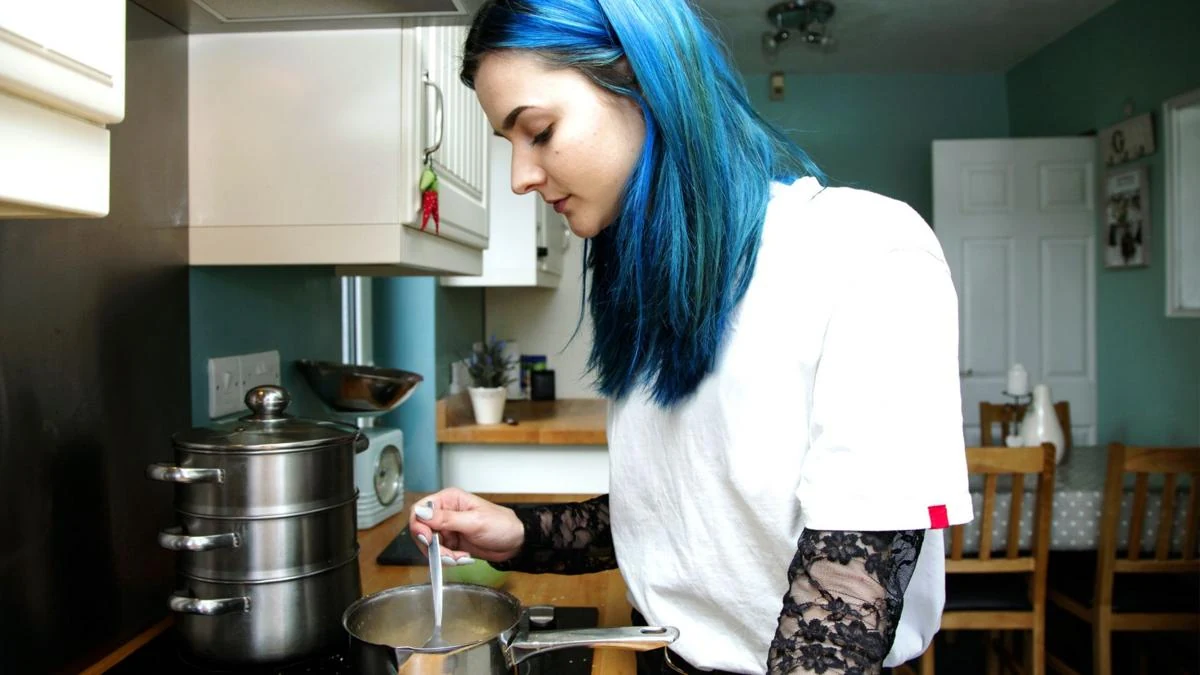
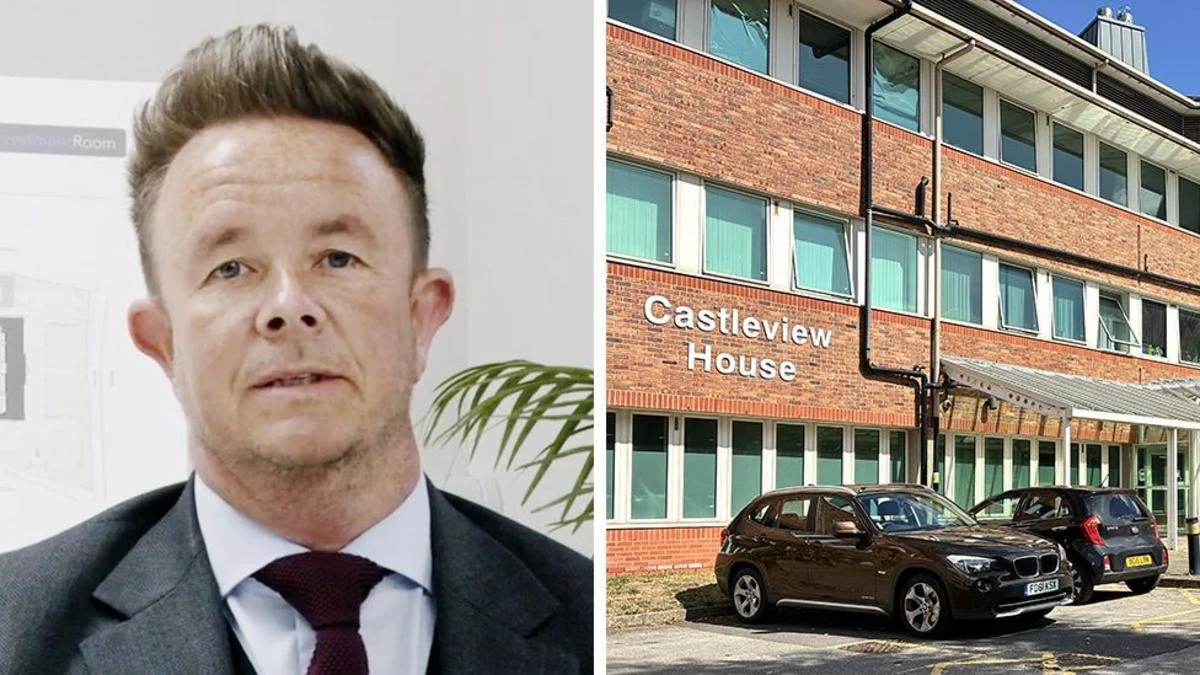
"This building is hell on Earth," says Phil, describing the black mould and rats at Castleview House, the block of flats in Runcorn, Cheshire, where he lives.
But to an estate agent called Britské Reality - which translates as British Real Estate - working with investors hundreds of miles away in the Czech Republic, the flat Phil rents through his benefits was an exciting business opportunity.
The estate agent's marketing material said the flat was a government-funded source of income for investors, where tenants were taken care of and the property was in excellent condition.
A Czech investor bought it last year for £163,150, more than double the £75,000 cost of similar apartments in the block.
The BBC has found more than 40 companies marketing similar properties to individuals in the UK and abroad, as businesses seek to profit from a government system intended to provide housing and support for vulnerable people.
About a dozen of these companies work with a property developer called Lee Jones, whose company sold Phil's flat.
The homes they are selling to investors are advertised as supported accommodation, a type of housing for people with issues including mental health problems or drug abuse issues, as well as people fleeing domestic violence.
What supported exempt accommodation is intended to provide
Providers offering what is known as supported exempt accommodation are allowed to charge the taxpayer more than the usual housing benefit cap, because they have higher running costs. Tenants are entitled to care, support and supervision - although how much support should be provided is not defined.
While there are legitimate providers helping people back into independent living, the BBC has previously reported on how some are exploiting the system by taking the higher housing benefit payments but failing to provide support.
The BBC investigation found companies marketing supported housing properties to people in Hong Kong, Macau, Nigeria, Turkey, the Netherlands, the UK and other countries as a "secure", "government-backed" investment.
The BBC also found adverts made misleading promises about the quality of the accommodation and support, with tenants saying they were receiving little or no care, while BBC journalists observed examples of poor quality, unsafe accommodation.
Housing charities and experts have told the BBC the sector has been transformed into a profit-generating machine at the expense of some tenants' safety, care, and dignity.
Labour MP Abena Oppong-Asare, who chairs the Housing Select Committee, said it was "outrageous" that supported housing properties were being marketed as investments "particularly where there's public funds involved".
The BBC's findings were "alarming" and showed a sector "open to abuse", she added.
The property and lease arrangements
Lee Jones's company The Investment Room converted Castleview House in 2019 from an office block into more than 200 residential flats, including the one where Phil now lives.
Then Jones partnered with Nurture Housing Association. His company granted Nurture a 25-year-lease on some of the flats, to provide housing for people on government benefits. Jones has a close business relationship with Nurture's chief executive Chris Smith, with the pair also acting as joint directors of other housing companies.
Jones then worked with estate agents, which marketed the housing to investors in the UK and overseas using the regular cashflow generated by the 25-year lease with Nurture and the promise of government funding to justify inflated prices.
Lee Jones and Nurture have repeated this with property developments across England, including in Doncaster, Rotherham, Stockton-on-Tees and Bradford. These type of properties are also in Scotland, Wales and Northern Ireland but are funded and regulated differently.
Because neither profit-making private companies nor individuals can act as supported housing providers themselves, co-operation between developers, investors and publicly funded providers has become common.
The Czech marketing material found by the BBC said Nurture provides housing for people with mental health issues who receive the "aftercare program pursuant to Section 117 of the Mental Health Act", meaning they have been sectioned and discharged from hospital with a detailed care plan.
What residents told the BBC
But Phil says he has never been sectioned under the Mental Health Act.
He does have severe depression and anxiety, and he is currently out of work. But he says he has never had any support or care, or met anyone working for Nurture during his time at the flat.
"Whoever marketed this property, the way they've worded it is total dishonesty," says Phil. "If they're looking to make as much profit as they can, then they clearly have no plans to fix the issues in the building."
Marketing images appeared to show Castleview House as newly refurbished with bright white interiors
Phil had no idea the flat he rents had been sold to overseas investors in May 2025 until the BBC contacted him. But there were clues: bills addressed to someone called Jan Hála had been coming through the letterbox for months.
The BBC spoke to several other people living in flats run by Nurture Housing Association in Castleview House who said they were in supported accommodation. They reported receiving little or no help from Nurture but were afraid to speak out publicly for fear of eviction and becoming homeless.
Responses from the developer, housing association and regulator
Lee Jones told the BBC that the properties his companies provide are "good quality accommodation" and he has no responsibility for the communal areas of Castleview House since he sold the freehold in 2021. He denied his relationship with Chris Smith amounted to a conflict of interest, but did not respond to questions about his role in marketing the properties.
Jan Hála, the Czech investor who now owns Phil's flat, and the Britské Reality estate agency did not respond to requests for comment.
There is also evidence that marketing materials for investors buying flats in Castleview were misleading. Investors were told Nurture was providing "specialist supported housing" - a claim which is repeated on its website.
According to the Regulator of Social Housing, this would mean it was providing a high level of care, equivalent to living in a care home.
But Nurture had not been registered as a specialised supported housing provider, the regulator said, and its claim to be providing this was "shocking".
In a statement, Nurture acknowledged that Castleview House is managed under a "general housing management model" and does not form part of its supported housing portfolio. It said it provided supported housing elsewhere through partners which were registered providers.
It said the Czech advert found by the BBC related to "historic marketing material" produced by third parties.
However, the BBC has seen marketing material from several other agents selling flats in Castleview House to investors, which also claim that Nurture is providing supported housing to the residents on a 25-year lease.
Nurture said it is not directly involved with the companies marketing the properties. But it said: "We will be reviewing communications with relevant agents and reminding them of the importance of ensuring that any information relating to Nurture is accurate, transparent and does not create misunderstanding regarding the accommodation or services provided."
Why cross-border ownership complicates accountability
While there are doubts about what kind of housing Nurture has been providing, the BBC also found other flats sold to investors overseas with tenants who were in supported exempt accommodation.
The web of companies involved in providing this housing and cross-border ownership means it can be difficult for vulnerable tenants to get help when there are problems with properties.
Frequently asked questions
What is supported exempt accommodation intended to provide?
It is housing with care, support or supervision for eligible residents, with providers able to charge above the usual housing-benefit cap because of higher costs. The label alone does not establish the quality or amount of support actually delivered. BBC News
Does marketing supported housing as an ethical investment prove residents receive good care?
No. The BBC investigation contrasts investment claims with residents' accounts of poor conditions and missing support. The developer's, housing association's and regulator's responses need to be considered separately from the marketing description. BBC News
Sources and editorial notes
This article compiles the linked reporting. Allegations, projections and research findings retain their original qualifications; this page does not represent independent field reporting or expert medical review.
- BBC News (reporting)
November 23, 2026: Corrected section boundaries, removed extraction debris and repeated summary text where present, and clarified source attribution or image descriptions. This is an editorial repair of the cited reporting, not independent reporting, product testing or specialist fact-check certification. November 23, 2026: Added source-linked reader questions and answers based on the reporting already compiled in this article. These questions are editorial selections, not measured search queries.