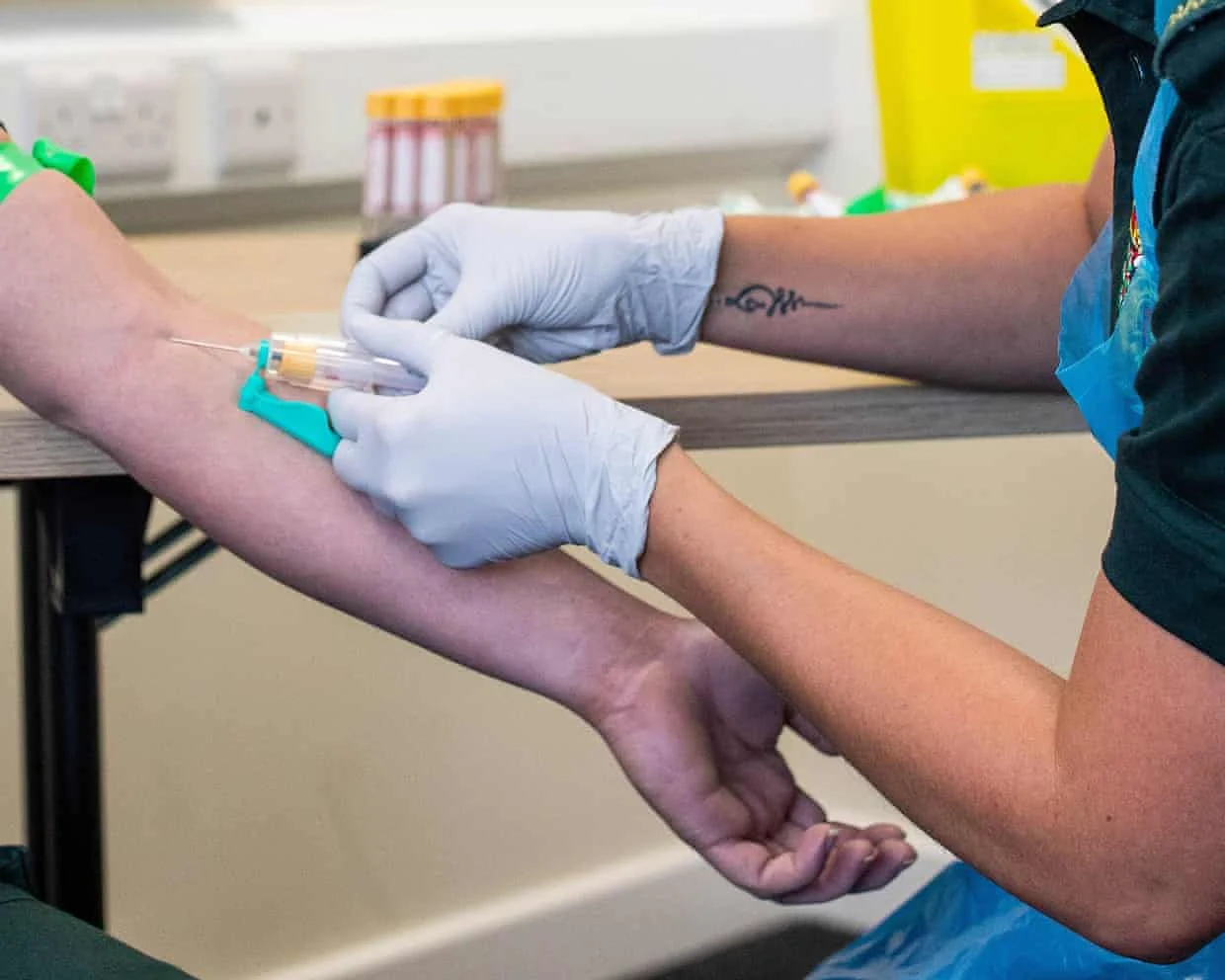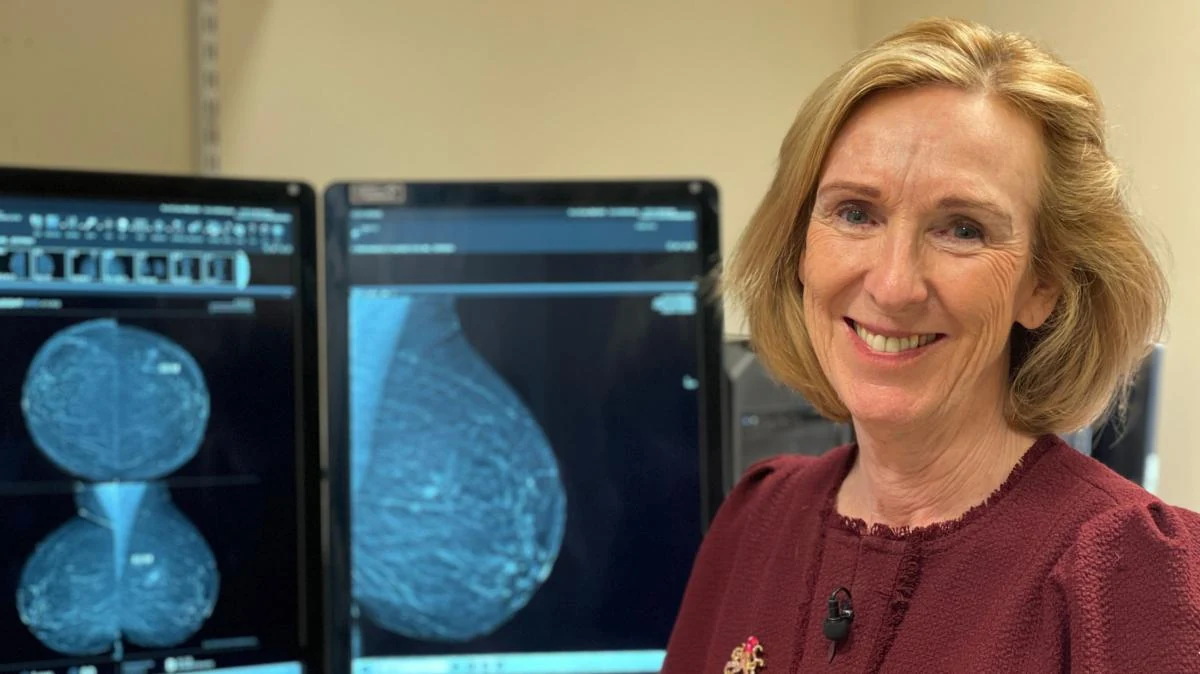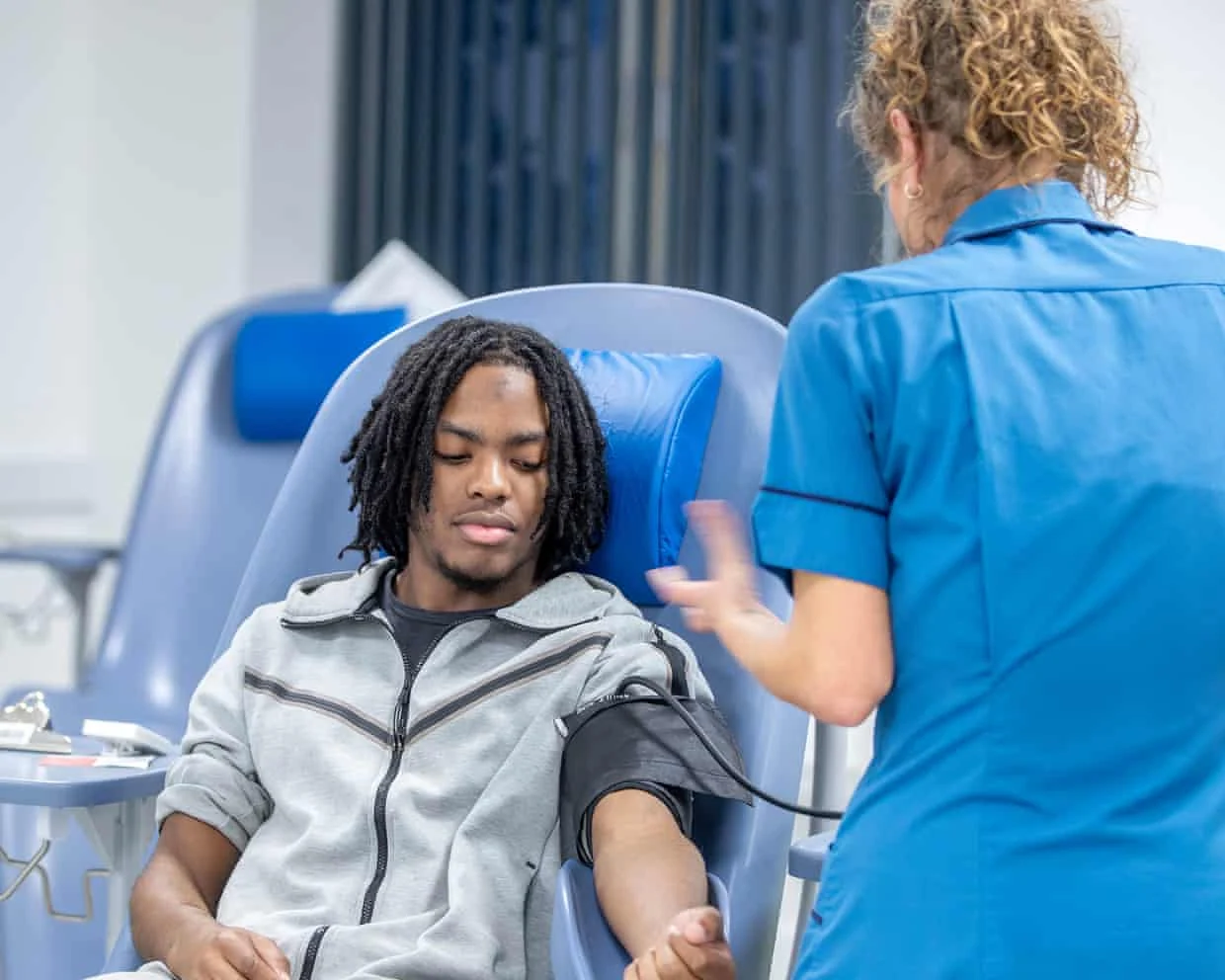
The daraxonrasib results described by the BBC come from an early study of 61 people receiving the drug with chemotherapy. Tumour response and scans showing no detectable cancer are encouraging findings, but they do not establish a cure. Longer follow-up is needed to understand whether responses last and what the treatment means for survival. BBC News
What the early pancreatic-cancer trial reported
Experts are calling it the biggest breakthrough in pancreatic cancer treatment for decades - a daily pill that appears to shrink and possibly even eliminate tumours in some patients with one of the deadliest and hardest-to-treat cancers.
Cancer became undetectable on scans in one in 12 of the patients given daraxonrasib along with chemotherapy in early medical trials.
Tumours stopped growing in almost all of the 61 participants who had recently been diagnosed with advanced pancreatic cancer that had spread to other parts of the body.
But doctors stress it is a long way from knowing how long it might keep the disease at bay and should not be seen as a cure.
Why clinicians consider the findings promising
Cancer Research UK called it "the biggest leap forward in decades" for pancreatic cancer patients.
The charity's Dr Sam Godfrey told BBC News that the results were incredibly exciting. "What this new drug has done is it's found a way of drugging the undruggable.
"We are finally seeing progress in pancreatic cancer which is so long overdue."
Pancreatic cancer is notoriously hard to treat and has the lowest survival rate of all common cancers in the UK.
Although chemotherapy can shrink tumours a bit, the cancer often grows again.
Most patients with advanced disease survive months, not years.
Doctors hope the new treatment might offer patients more time, even if it cannot stop cancers for good.
The trial followed patients for a year and a half, on average, and some did not see their cancer return during this time.
Longer studies are needed to understand if any of these cancers can be put into remission and for how long.
Response rates and the limits of follow-up
tumours stopped growing in 90% of patients
just over 60% of patients saw their tumours shrink or disappear
for around 8% of patients, or one in 12, tumours became undetectable on CT scans
Dr Wungki Park, from Memorial Sloan Kettering Cancer Center in the US and who is involved in the trial, said the results were extremely encouraging so far.
"We are beginning to see not only a higher percentage of tumour response rates, but also deeper responses and a near doubling in the duration of disease control, which may eventually translate into longer survival," he said.
How the drug works and what remains uncertain
Daraxonrasib is a KRAS inhibitor treatment that has already been approved in the US. It works by locking on to and shutting off certain mutations, called RAS, found in most pancreatic cancers that drive tumour growth.
Dozens of other cancers, including lung and ovarian, can have similar mutations, meaning the drug might help lots of other patients too.
Dr Godfrey said: "I would hope that the early success that we are beginning to see in pancreatic cancer can also be rolled out to other cancers."
He said longer trials and results were vital. "Cancer can come back and even if scans show there is no sign of it, you don't necessarily know you are cancer-free until more time has passed."
Prof Elena Garralda, chair of a European cancer conference called EORTC where the work is being presented to other doctors, said: "These results are exciting because they show the combined treatment could potentially significantly improve patients' overall survival, as well as the time before tumours start to grow again."
Disease context and symptoms
There are 11,500 diagnoses of the disease in Britain each year and around 10,200 deaths, according to Cancer Research UK.
Actor Alan Rickman died of the disease in 2016, five months after diagnosis.
Symptoms can include jaundice, itchy skin, darker pee, paler poo, unexplained weight loss, tiredness and high temperature.
Frequently asked questions
Is daraxonrasib a cure for pancreatic cancer?
No. The reported early trial found tumour shrinkage and control in some patients, but researchers say longer follow-up is needed to know how long the benefit lasts or whether it improves overall survival.
Was daraxonrasib tested alone in the pancreatic-cancer study?
No. The early study described involved 61 people receiving the drug alongside chemotherapy. Its results therefore should not be presented as evidence for the pill alone or as proof that the benefits will last. BBC News
Sources and editorial notes
This article compiles the linked reporting. Allegations, projections and research findings retain their original qualifications; this page does not represent independent field reporting or expert medical review.
- BBC News (reporting)
November 23, 2026: Corrected section boundaries, removed extraction debris and repeated summary text where present, and clarified source attribution or image descriptions. This is an editorial repair of the cited reporting, not independent reporting, product testing or specialist fact-check certification. November 23, 2026: Added source-linked reader questions and answers based on the reporting already compiled in this article. These questions are editorial selections, not measured search queries.