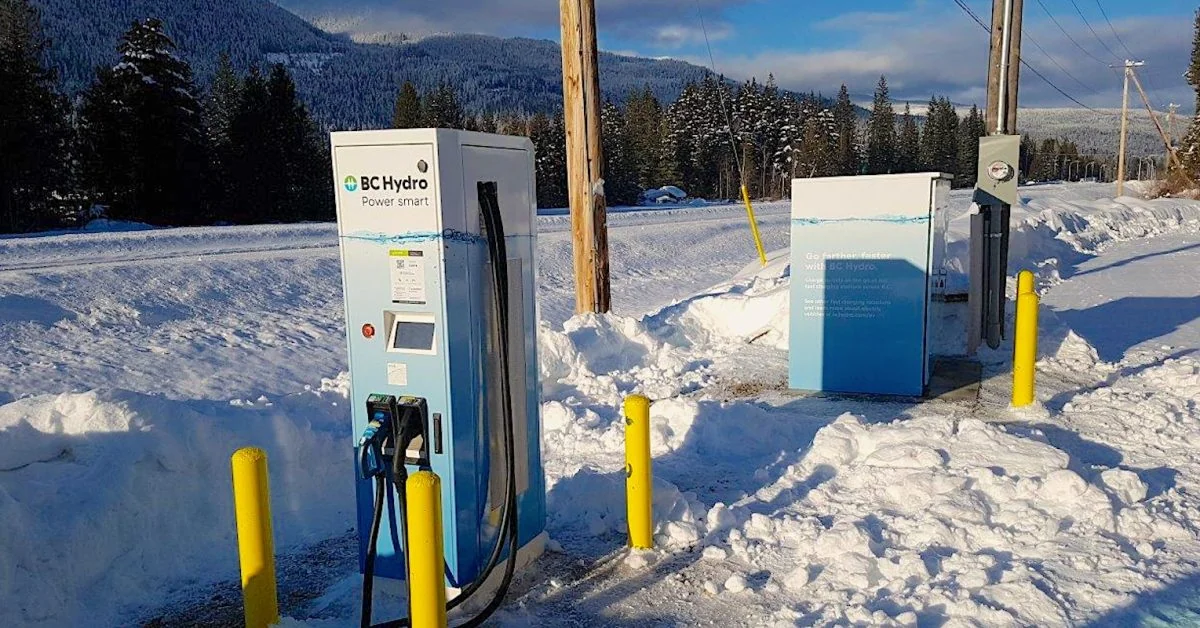
Canada's proposed federal budget includes substantial investment in electricity networks and EV charging. Electrek reports that the package is intended to support more than 55,000 additional chargers. Electrek
Key facts
The Canadian proposal sets charging investment within a larger electricity-infrastructure programme. Electrek
Industry representatives identify several different needs: charging at apartments and condominiums, dependable highway corridors, metropolitan fast charging and facilities for commercial fleets. Electrek
The programme can cover a share of qualifying project costs, with more favourable support for Indigenous-led developments. Electrek
Canada proposes a major charging expansion
Canada's proposed federal budget includes support for more than 55,000 additional EV chargers within an electricity-investment package exceeding C$4 billion. Electrek reports that the money is intended to address charging access while strengthening the grid that must supply new demand.
The proposal is a funding commitment for development, not a statement that those chargers are already operating. The programme's design and eventual project selection will determine where the expansion reaches drivers.
Charging is part of a wider grid package
The Canadian proposal sets charging investment within a larger electricity-infrastructure programme. Electrek reports approximately C$635 million for EV charging, including C$587 million to renew the Zero-Emission Vehicle Infrastructure Program. The broader grid commitment runs over a decade beginning in 2027. It combines the visible roadside charger with the less visible electricity infrastructure needed to support additional demand. Reporting context: Electrek
Where the coverage gaps remain
Industry representatives identify several different needs: charging at apartments and condominiums, dependable highway corridors, metropolitan fast charging and facilities for commercial fleets. Those are not interchangeable projects. A person without an assigned parking space faces a different barrier from a freight operator planning predictable depot use, so a national charger total alone does not show whether each gap will be addressed.
Contributions support eligible projects
The programme can cover a share of qualifying project costs, with more favourable support for Indigenous-led developments. Funding contributions do not remove the need for site selection, equipment procurement, power connections and operation. The practical result will depend on which projects qualify and are delivered. Announcing money for infrastructure is an important stage, but it is distinct from confirming that stations are installed and usable.
Remote communities also feature
The wider electricity package includes C$1.6 billion for northern and remote power systems, as well as planning and renewable-energy initiatives. These commitments show that charging expansion is being considered alongside regional electricity needs. They should not all be counted as direct spending on passenger-car chargers, because the purposes and beneficiaries of the individual programmes differ. Reporting context: Electrek
Measuring the eventual result
The proposed 55,000 additional chargers would be a substantial expansion, but location and reliability will determine how useful the network becomes. A corridor can remain difficult if several chargers are concentrated in one town while long stretches have no alternative. The budget provides a framework for investment; later programme decisions and completed installations will supply evidence about access in the places drivers and fleet operators actually need it. Reporting context: Electrek
Cost sharing and the timetable define delivery
The proposed ZEVIP support covers up to 50% of eligible expenses for most projects and up to 75% for Indigenous-led projects, with caps of up to C$2 million. Operators still need to assemble the remaining financing and move a site through planning, power connection and construction. Reporting context: Electrek
The broader investment period runs from 2027 through 2036. It includes the Smart Renewables and Electrification Pathways Program and new data and modelling to support grid planning, alongside the charging contribution. Travis Allan of the Canadian Charging Infrastructure Council welcomed the multi-year approach but highlighted apartments, major corridors and fleets as areas needing effective programmes. That response points to a useful later test: whether funding rules produce a balanced network rather than only the easiest installations. Reporting context: Electrek
Sources and editorial notes
This article compiles the linked reporting. Allegations, projections and research findings retain their original qualifications; this page does not represent independent field reporting or expert medical review.
- Electrek (reporting)
November 17, 2026: Replaced repeated summary and FAQ templates, added source attribution and image description, and clarified the distinction between source publication and site edits. This editorial update is not an independent fact-check certification.