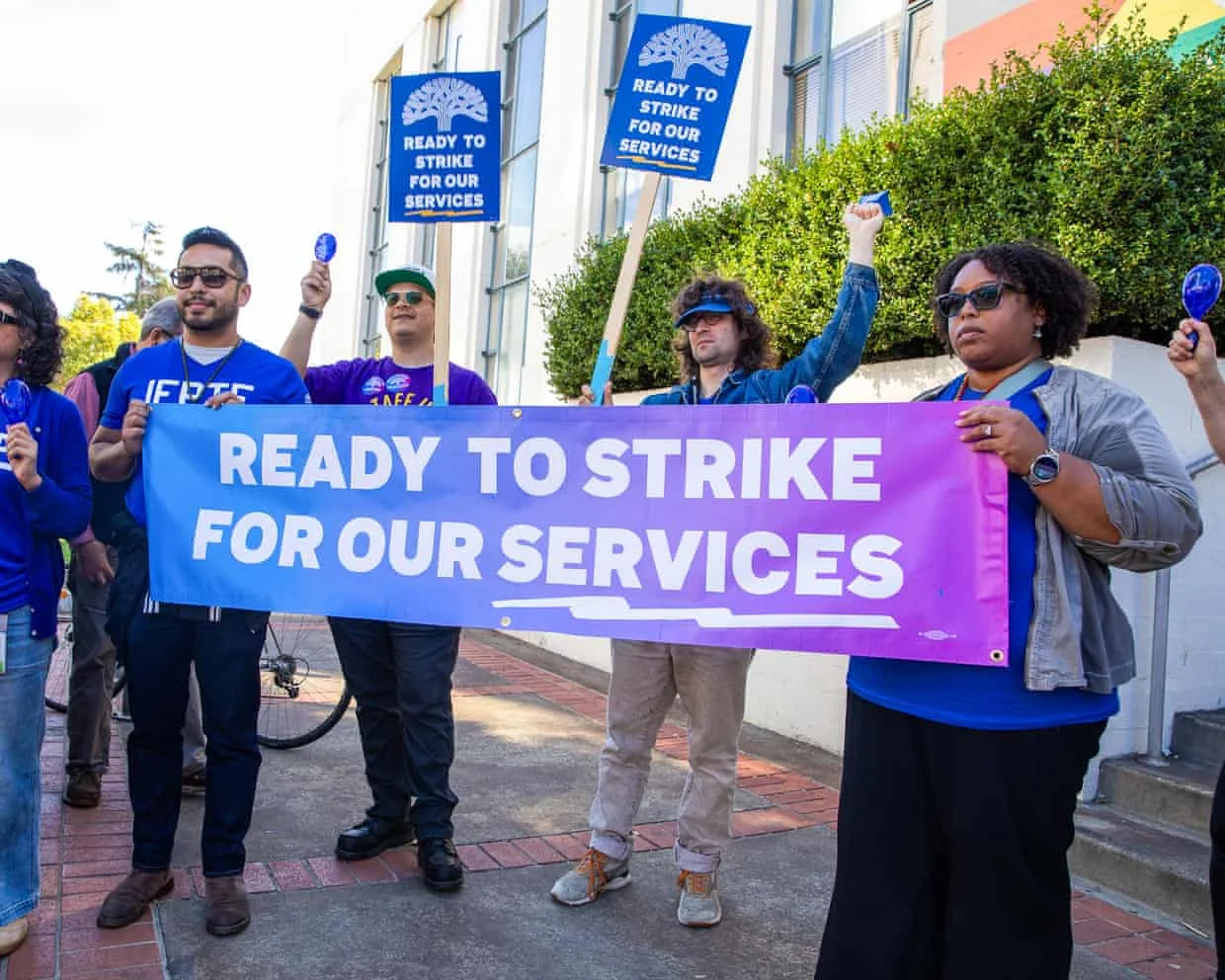
Workplace Relations Minister Amanda Rishworth has launched guidance asking employers to plan openly for AI-related changes. The announcement follows restructuring and job cuts at major Australian companies, including Qantas and Canva. The Guardian
Key facts
Australia's workplace-relations minister Amanda Rishworth has set out a best-practice approach to AI adoption that recognises both potential gains and workplace hazards. The Guardian
Automating basic tasks may leave employees handling a larger share of complicated, emotionally demanding or exceptional cases. The Guardian
The guide raises concern that simpler tasks may be the first to disappear, affecting the roles through which people enter an occupation. The Guardian
Australia asks employers to explain their AI plans
Australia has issued a workplace guide asking employers to plan artificial-intelligence adoption with staff rather than assume that new software will automatically improve jobs. The Guardian reports that the document recognises possible benefits in pay, flexibility and service quality while setting out hazards ranging from surveillance to more intense work.
The guide arrives amid high-profile restructures, making the distribution of any productivity gains a practical political question.
A guide describes two possible outcomes
Australia's workplace-relations minister Amanda Rishworth has set out a best-practice approach to AI adoption that recognises both potential gains and workplace hazards. The benefits could include less repetitive work, higher productivity and more flexible hours. The risks include intrusive monitoring, unrealistic performance expectations and discrimination. The document's central premise is that technology does not distribute its benefits automatically.
Removing routine work can intensify the rest
Automating basic tasks may leave employees handling a larger share of complicated, emotionally demanding or exceptional cases. A system can therefore save minutes on one activity without making the entire working day easier. Rishworth warned that introducing another tool without consulting staff can add steps and increase workload. Assessment needs to include the whole process, rather than counting only the tasks completed by software.
Entry-level roles face a particular challenge
The guide raises concern that simpler tasks may be the first to disappear, affecting the roles through which people enter an occupation. It also identifies potentially disproportionate effects on younger and older workers, women, First Nations employees and people with disabilities. That makes training and transition planning relevant before implementation, rather than something to offer only after positions have been removed.
Job-cut announcements sharpen the debate
The Guardian links the discussion to restructures at companies including Qantas, Canva and NAB, where AI has been cited alongside other factors. The Reserve Bank reported limited evidence of economy-wide disruption so far while acknowledging uncertainty and early effects in selected occupations. Individual announcements therefore provide important examples, but they should not be treated as a complete measure of national job losses caused solely by AI.
Guidance versus enforceable protection
Greens senator David Shoebridge argues that voluntary consultation is insufficient and that sharing productivity gains needs legal support. Rishworth's approach asks employers to explain their plans and involve employees. The difference is practical: a recommendation depends on an employer following it, while a binding obligation can be enforced. Workers' ability to influence implementation remains a central point of disagreement.
What sharing productivity gains would mean
Former industry minister Ed Husic raised the issue during a parliamentary hearing involving the major banks: whether higher productivity becomes lower prices and better services, stronger pay and security, or simply reduced labour costs. His questions underline why an employer's implementation plan needs to explain more than a target number of automated tasks.
The specific restructures cited in the report involve 850 positions at Qantas, 2,500 at NAB and 1,200 at Canva. AI was described as one factor, alongside broader changes, so adding those totals would not produce a defensible national count of jobs eliminated by the technology. The Reserve Bank's early signs were concentrated in selected occupations, including clerical work, programming and call centres. That uneven picture makes advance consultation relevant even before a clear economy-wide pattern emerges. Reporting context: The Guardian
Sources and editorial notes
This article compiles the linked reporting. Allegations, projections and research findings retain their original qualifications; this page does not represent independent field reporting or expert medical review.
- The Guardian (reporting)
November 17, 2026: Replaced repeated summary and FAQ templates, added source attribution and image description, and clarified the distinction between source publication and site edits. This editorial update is not an independent fact-check certification.