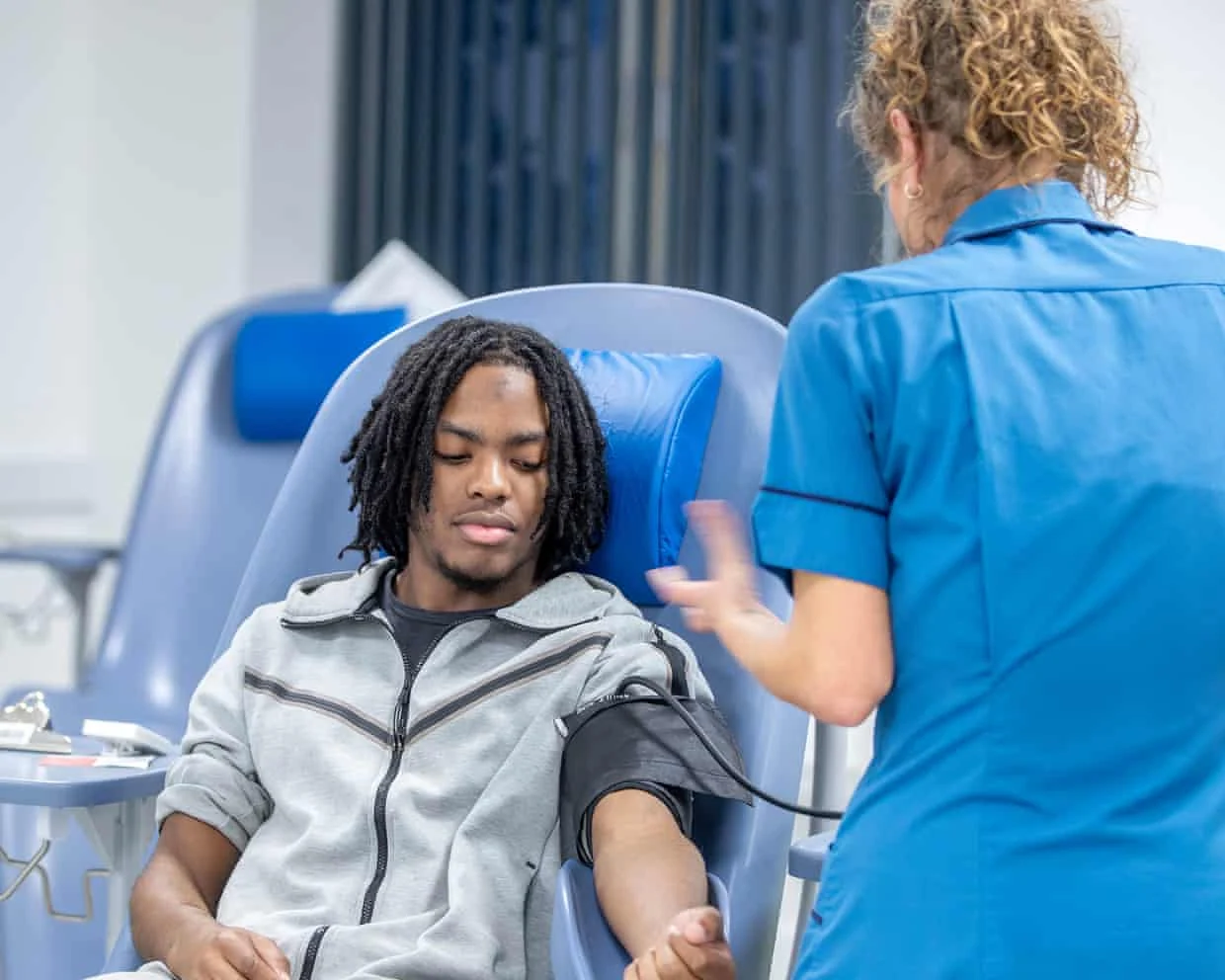
The General Medical Council warns that overwork among doctors training in obstetrics and gynaecology could put patients at risk. These doctors reported more sleep deprivation and feelings of excessive workload than comparable trainees in other specialties. BBC News
Key facts
In obstetrics and gynaecology, 70% were at moderate or high risk of burnout, compared with 61% across specialties. BBC News
Roughly a third of obstetrics and gynaecology trainees were hesitant to approach a senior colleague with a patient concern. BBC News
Dr Miriam Broughton, a 27-year-old in her second year of training, described the pressure of simultaneous demands: deliveries, patients attending with reduced fetal movement and someone experiencing a miscarriage in an emergency department. BBC News
Maternity trainees describe pressure across the working day
Doctors training in obstetrics and gynaecology reported greater burnout risk and more difficulty raising patient concerns than trainees overall in the General Medical Council's 2026 national training survey. The findings connect workforce wellbeing with the conditions in which maternity care is delivered, including access to senior help and opportunities to recover between demanding shifts. Reporting context: BBC News
The BBC's reporting includes accounts from doctors who value the specialty but describe being stretched across several urgent situations at once. Their experiences help explain why recruitment alone cannot answer every question about safety and retention.
A large survey with a clear specialty gap
Nearly 52,000 doctors responded, representing 68% of trainees invited to participate. In obstetrics and gynaecology, 70% were at moderate or high risk of burnout, compared with 61% across specialties. These figures measure reported risk through a survey; they are not diagnoses for every individual counted. Reporting context: BBC News
About a third of maternity trainees reported sleep deprivation, compared with roughly a fifth overall. The size of that gap makes rest and rota design part of the discussion alongside the total number of staff.
Speaking up can feel difficult
Roughly a third of obstetrics and gynaecology trainees were hesitant to approach a senior colleague with a patient concern. The corresponding figure across training was about one in five. GMC chief executive Charlie Massey emphasised leadership and a culture in which questions can be raised.
Knowing the reporting procedure and feeling able to use it are different experiences. The survey contained some more positive findings about knowledge of incident reporting, so the results should not be flattened into a claim that every aspect of training had deteriorated.
One clinician, several competing needs
Dr Miriam Broughton, a 27-year-old in her second year of training, described the pressure of simultaneous demands: deliveries, patients attending with reduced fetal movement and someone experiencing a miscarriage in an emergency department. Her account illustrates the practical difficulty of assigning attention when several patients need care immediately. Reporting context: BBC News
Such situations also affect training. Supervision and learning can become harder to protect when the same team is trying to manage an overloaded service.
Support after traumatic events
Former doctor and author Adam Kay described leaving medicine in 2010 after a traumatic stillbirth case and receiving no meaningful debrief or counselling. His experience is historical, rather than a measure of current provision, but it highlights a particular need in a specialty where severe outcomes can affect families and staff profoundly. Reporting context: BBC News
Dr Kat Barton, who chairs the Royal College of Obstetricians and Gynaecologists' trainee committee, called for action on staffing, training and wellbeing together.
The response now being tested
The Department of Health and Social Care pointed to internal routes for raising concerns and dedicated Freedom to Speak Up Guardians. It also cited record midwife numbers and 600 additional midwives over the past year. The government has established a maternity taskforce, with the health secretary identifying the service as a priority. Reporting context: BBC News
Those measures address different parts of the problem. The survey provides a way to judge their effect: whether trainees can obtain help, rest sufficiently and raise concerns confidently while continuing to develop the skills maternity services need.
Sources and editorial notes
This article compiles the linked reporting. Allegations, projections and research findings retain their original qualifications; this page does not represent independent field reporting or expert medical review.
- BBC News (reporting)
November 17, 2026: Replaced repeated summary and FAQ templates, added source attribution and image description, and clarified the distinction between source publication and site edits. This editorial update is not an independent fact-check certification.