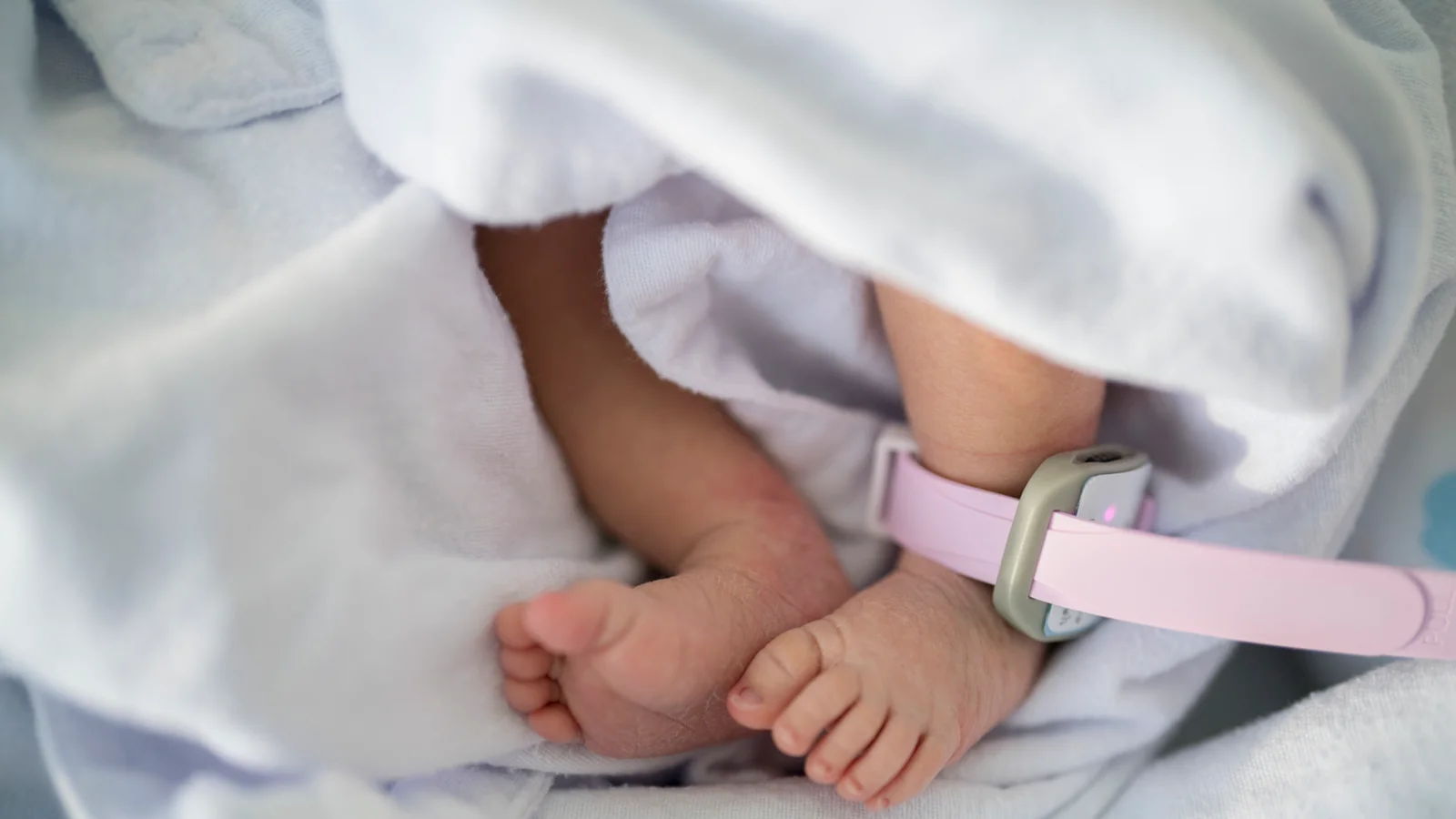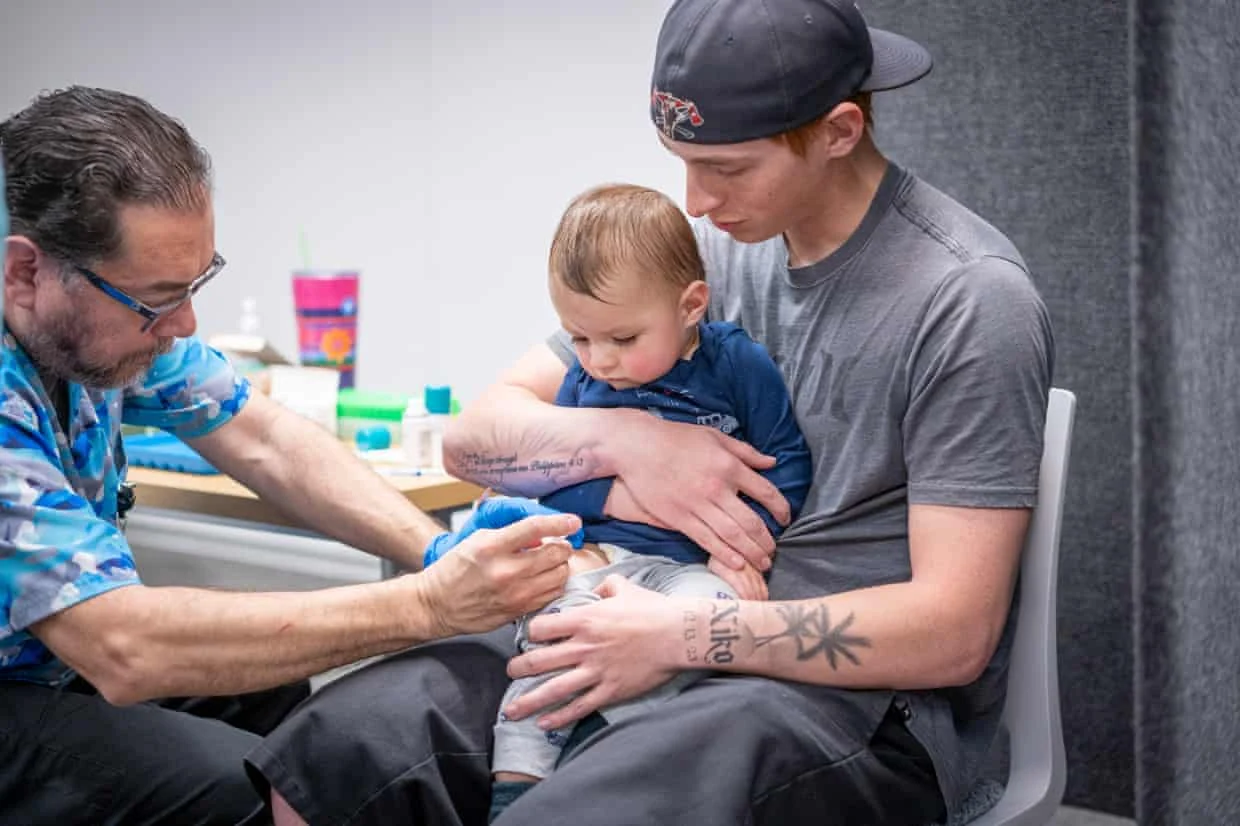
The United States could lose its measles-elimination status amid an outbreak that has produced more than 5,400 reported cases nationally. The Guardian describes it as the country's worst outbreak since 1991. The Guardian
Key facts
A country can experience an outbreak while public health teams work to stop it from becoming established transmission. The Guardian
The World Health Organization describes measles as a highly contagious viral disease with potentially serious complications. The Guardian
Dr David Margolius of Cleveland's public health department described the work created by a potential exposure: staff must identify people who shared spaces such as waiting rooms and elevators and establish whether they have evidence of immunity. The Guardian
A decision on America's measles status approaches
An independent panel of eight experts has been reviewing whether the United States should retain its measles elimination status, according to the Guardian. The assessment goes to the Pan American Health Organization's director for a final decision; the review itself does not mean that the status has already been removed.
The country has recorded more than 5,400 cases this year in the Johns Hopkins International Vaccine Access Center tracker cited by the report. It is the worst annual total since 1991 and has produced consequences beyond the communities where outbreaks began. Reporting context: The Guardian
Elimination is different from eradication
Elimination describes the interruption of sustained transmission within a country. It does not mean that the virus has disappeared worldwide or that an imported case can never occur. A country can experience an outbreak while public health teams work to stop it from becoming established transmission.
That distinction explains why the status review examines the pattern of spread rather than treating a single case as decisive. The assessment also has symbolic importance: it reflects whether a preventable infection is again gaining a lasting foothold.
A virus that exploits gaps in protection
The World Health Organization describes measles as a highly contagious viral disease with potentially serious complications. The two-dose measles, mumps and rubella vaccine is about 97% effective against measles, as noted in the Guardian report.
Protection must be widespread because the virus can spread quickly where immunity is low. Even a community inside a country with substantial overall coverage can experience sustained transmission when too many people are unprotected in the same schools, households or social networks.
The burden extends into ordinary healthcare
Dr David Margolius of Cleveland's public health department described the work created by a potential exposure: staff must identify people who shared spaces such as waiting rooms and elevators and establish whether they have evidence of immunity.
Someone without records may need a blood test or face a 21-day quarantine. The response can therefore disrupt work, family routines and health services well beyond the person initially diagnosed. Adults are also affected; the report cites a Pennsylvania clinician seeing substantial adult transmission. Reporting context: The Guardian
Deaths sharpen the debate
The Guardian reported deaths including a six-year-old in Pennsylvania and infants in New York and Wisconsin. Such cases have intensified criticism from vaccine specialists, including Dr Paul Offit of the Children's Hospital of Philadelphia, of declining confidence in vaccination.
Offit's criticism of the federal response is his assessment, rather than a separate scientific measurement of responsibility. Local outbreaks reflect vaccination decisions and gaps that developed over time, including disruption during the pandemic.
What the review can and cannot change
Margolius acknowledged that vaccine hesitancy predates the current administration. The Guardian also examined federal policy changes and staffing reductions, placing the emergency within a contested political environment.
A change of status would document the scale and persistence of transmission; it would not replace the daily work of checking vaccination records, tracing contacts and rebuilding access to immunisation. Those tasks remain necessary whatever wording the regional health authority ultimately adopts.
Sources and editorial notes
This article compiles the linked reporting. Allegations, projections and research findings retain their original qualifications; this page does not represent independent field reporting or expert medical review.
- The Guardian (reporting)
- WHO: Measles fact sheet (guidance)
November 17, 2026: Replaced repeated summary and FAQ templates, added source attribution and image description, and clarified the distinction between source publication and site edits. This editorial update is not an independent fact-check certification.