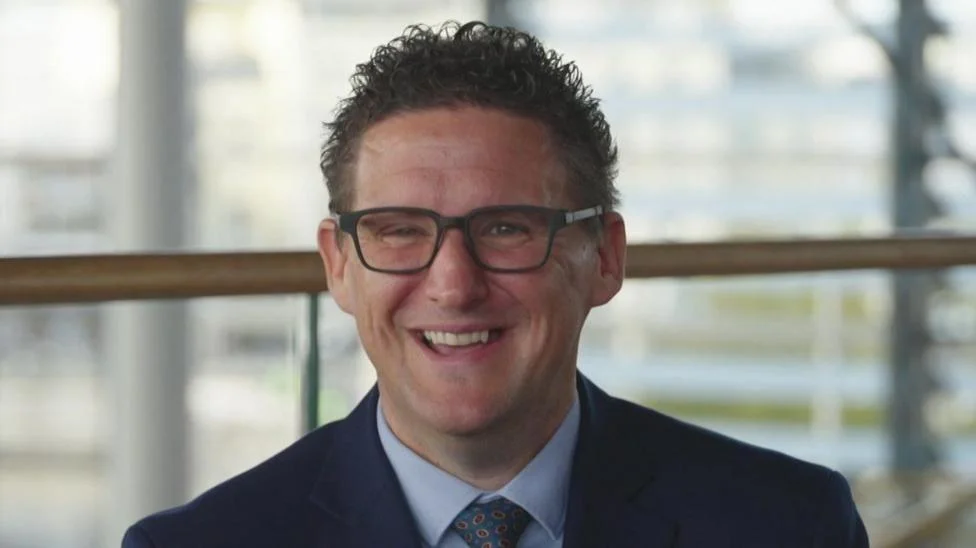
Image caption, Jason O'Connell has used smart glasses to deliver speeches in the Senedd
Members of the Welsh Parliament have been told that further requests to use smart glasses will not be considered while a review takes place. The move follows an earlier ruling allowing the devices as teleprompters with advance notice. BBC News
Key facts
O'Connell says his glasses helped him deliver a speech while keeping eye contact rather than repeatedly looking down. BBC News
In a letter dated 20 October, presiding officer Huw Irranca-Davies said members could use smart glasses as teleprompters if they notified him in advance. BBC News
The Senedd Commission's review is due to include consultation with elected members and staff, finish by the end of 2026 and produce recommendations in the new year. BBC News
Smart-glasses use pauses in the Senedd
Members of the Welsh Parliament have been told that further requests to use smart glasses will not be considered until a review is completed. The position follows an earlier ruling allowing their use as teleprompters with advance notice. BBC News reports that Reform member Jason O'Connell has voluntarily stopped using his device during the review. The immediate outcome is a pause while rules are reconsidered, rather than a published permanent policy covering every possible function of wearable technology.
O'Connell's device displays notes without recording
O'Connell says his glasses helped him deliver a speech while keeping eye contact rather than repeatedly looking down. His model does not contain a camera, unlike some other smart glasses that have generated privacy concerns. That technical distinction matters: a display used to read prepared material is not automatically a recording device. It also does not resolve every parliamentary question, because information can still be delivered in front of a speaker. The review must consider actual functions rather than assume that all products share the same capabilities.
The earlier permission was conditional
In a letter dated 20 October, presiding officer Huw Irranca-Davies said members could use smart glasses as teleprompters if they notified him in advance. Committee papers later made that ruling public. A subsequent message said no new requests would be considered and that no members would use the technology while the review continued. The chronology shows a change from conditional permission to temporary non-use. It does not establish that O'Connell breached the earlier conditions or that a particular incident of improper assistance triggered the change. Reporting context: BBC News
Members and staff will be consulted
The Senedd Commission's review is due to include consultation with elected members and staff, finish by the end of 2026 and produce recommendations in the new year. That process can consider parliamentary practice alongside differences between products and the needs of people using them. The Senedd did not give the BBC an additional explanation for the altered stance. Without one, claims about a specific security failure or undisclosed recording would go beyond the evidence in the report. Reporting context: BBC News
A separate dispute has a different timeline
Reform is also boycotting proceedings after member Joe Martin was barred from speaking following remarks about white people being replaced in the UK. The BBC identifies that confrontation as unrelated and says the smart-glasses message went out before the ruling involving Martin. The technology decision should therefore not be treated as retaliation for that later event. Both disputes involve the presiding officer and Reform members, but sharing participants is not evidence that they have the same cause.
A lasting rule will need clearer boundaries
O'Connell says he found the glasses useful occasionally but did not depend on them, and hopes to use them again if approved. The review's eventual recommendations will be the meaningful next development. They should establish which functions are permitted, what notice is required and how use fits the chamber's expectations for debate. For now, the known position is limited: members have paused use while the institution develops a considered response to devices that combine familiar note-reading with a new delivery method.
Sources and editorial notes
This article compiles the linked reporting. Allegations, projections and research findings retain their original qualifications; this page does not represent independent field reporting or expert medical review.
- BBC News (reporting)
November 17, 2026: Replaced repeated summary and FAQ templates, added source attribution and image description, and clarified the distinction between source publication and site edits. This editorial update is not an independent fact-check certification.