NASA is seeking industry proposals for Lunar Reactor-1, a small fission system designed to supply 20 kilowatts of electricity on the Moon. The agency targets a launch-ready system by 2030 and at least five years of lunar operation. Proposals are due on 21 December. These are programme requirements and goals, not evidence of a deployed reactor, a completed flight design or a guaranteed launch date.
Key facts
Lunar Reactor-1 is designed to generate 20 kilowatts of electricity.
NASA targets launch readiness by 2030, with at least five years of operation.
The solicitation says proposals are due on 21 December.
NASA says the reactor must meet Department of Energy safety standards.
What the new NASA solicitation covers
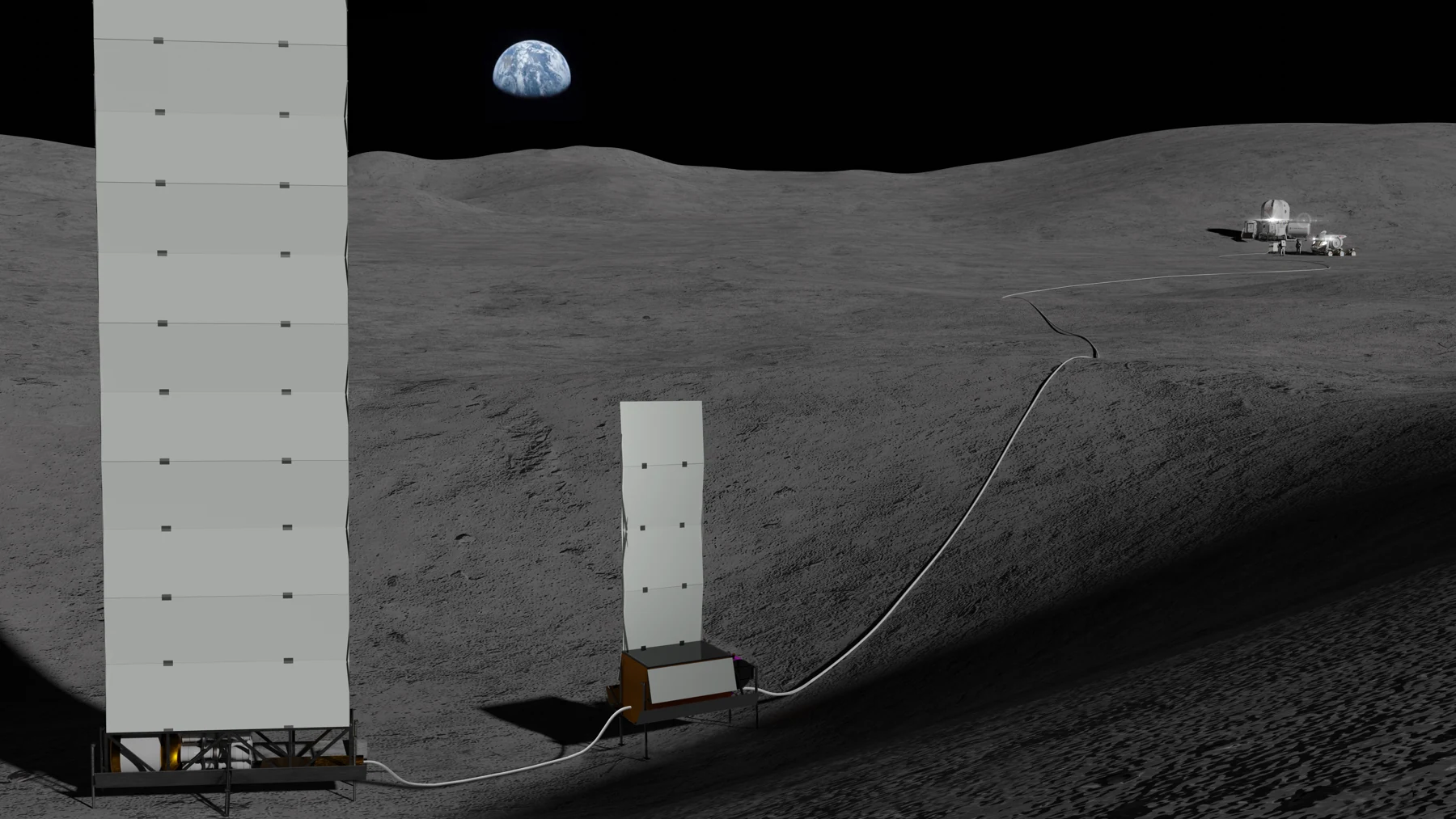
NASA's 23 November announcement seeks industry partners to develop and test Lunar Reactor-1, or LR-1. The agency wants a small nuclear fission power system that could support future lunar infrastructure, including habitats, communications, rovers and scientific instruments. The specified electrical output is 20 kilowatts.
A request for proposals is an early procurement milestone. It defines the work NASA wants industry to offer and the requirements against which proposals will be considered. It is not the same as announcing that a contractor has completed a working lunar unit, passed all flight qualifications or delivered a system to a launch provider.
Why continuous power matters on the Moon
NASA explains the main operational advantage in terms of sunlight. A reactor can produce electricity through the approximately two-week lunar night and in locations with limited illumination. That capability could be valuable where a mission needs equipment to keep operating while solar generation is unavailable.
This does not establish that every lunar mission needs nuclear power or that solar systems have become obsolete. Different sites, loads and operating schedules lead to different designs. The specific argument for LR-1 is reliable power across conditions that constrain a sunlight-dependent supply, not a promise of unlimited energy for any future settlement.
How to read the 20-kilowatt specification
Twenty kilowatts is a power rating: it describes the rate at which electricity can be supplied. It should not be confused with a total energy quantity, a reactor's mass or the number of people it can support without knowing their equipment and operating needs. NASA identifies several possible uses, but the announcement does not publish a complete lunar base power budget.
The useful planning question is which loads need continuous supply and how much margin the system would require. Habitats, communications and scientific instruments can have very different demands. Converting the single rating into a claim that an entire permanent base is already powered would go beyond the announcement.
What the 2030 and five-year targets mean
NASA aims to have a launch-ready system by 2030 and to operate it on the Moon for at least five years after deployment. Those are distinct targets. Launch readiness is not the same as an announced launch manifest, and the intended operating lifetime begins after deployment rather than automatically in the year named by the readiness goal.
The solicitation incorporates feedback following a draft released in August and an industry day in September, according to the agency. Proposals are due on 21 December. That sequence is evidence of a procurement process moving forward; it is not evidence that every design, integration and mission-planning challenge has already been settled.
Where safety and the Department of Energy fit
The agency says the solicitation requires compliance with Department of Energy safety standards for nuclear operations. LR-1 is managed by NASA's Space Reactors Division in partnership with the Department of Energy. These responsibilities identify the programme's institutional setting rather than provide the public with a finished safety assessment.
A useful distinction is between a requirement that a design must meet and a demonstration that the final design has met it. The announcement supports reporting the former. It does not publish the results of a completed qualification campaign, and this article does not infer a specific fuel design, shielding mass or launch approval from the existence of the requirement.
Why LR-1 should not be confused with SR-1 Freedom
NASA's announcement also discusses Space Reactor-1 Freedom, a separate project intended to demonstrate nuclear electric propulsion and deliver SkyFall helicopters to Mars. It gives that mission a planned 2028 launch. LR-1 instead concerns a lunar surface electricity supply. Sharing a space-nuclear programme context does not make their destinations, purposes or schedules interchangeable.
The next meaningful LR-1 updates will be proposal and award milestones, design and testing progress, and clearer deployment arrangements. Keeping the two programmes separate helps readers assess each on its own evidence instead of assigning a Mars propulsion demonstration's timeline to a Moon surface reactor.
Frequently asked questions
How much power could NASA’s lunar reactor supply?
NASA specifies 20 kilowatts of electrical power. The loads it could support depend on their requirements and operating schedules. The announcement mentions habitats, communications, rovers and instruments, but it does not publish a complete power budget for a permanent Moon base. NASA
Does the 2030 target mean the reactor will launch that year?
No. The agency announcement targets a launch-ready system by 2030. Readiness, an assigned launch date, successful deployment and the intended five-year operating life are separate milestones.
Is the lunar reactor already built and operating?
No deployment is announced in this source. NASA’s release asks industry for proposals to develop and test LR-1. It describes programme goals and requirements, not a reactor that is already supplying power on the lunar surface.
Is LR-1 the same nuclear project as the Mars propulsion mission?
No. LR-1 is a lunar surface power system. NASA describes SR-1 Freedom separately as a space nuclear-electric propulsion mission associated with Mars and a planned 2028 launch. Their purposes and stated timelines should not be merged. NASA
At a glance
| Issue | Verified position | Limit or next step |
|---|---|---|
| Power | 20 kW electrical output specified | Actual supported loads require a power budget |
| Readiness | 2030 target | Not a guaranteed launch date |
| Duration | At least five years of lunar operation sought | Measured after deployment |
| Procurement | Proposals due 21 December | Award and flight design still ahead |
Sources and editorial notes
This article compiles the linked reporting. Allegations, projections and research findings retain their original qualifications; this page does not represent independent field reporting or expert medical review.
- NASA (reporting)
Published on 24 November 2026 after reviewing the linked sources. This is an independently worded editorial synthesis, not an original interview or field report. Earlier articles remain dated historical coverage. November 24, 2026: Revised the FAQs to prioritise reader impact and practical questions using the cited material. The original reporting date is unchanged.