Mushroom products contain compounds of scientific interest, but evidence for one extract, dose or patient group does not prove that every mushroom supplement improves health. NPR reviews the mixed and still-developing research. The US National Cancer Institute separately describes studies of specific medicinal extracts such as PSK and says turkey tail and PSK are not FDA-approved cancer treatments in the United States. Supplements should not be presented as a substitute for prescribed treatment.
Key facts
The research concerns different species, preparations, doses and patient groups.
Some PSK studies examine its addition to standard cancer treatment, not its replacement.
The National Cancer Institute says turkey tail and PSK are not FDA-approved US cancer treatments.
Food mushrooms, purified extracts and retail supplement mixtures are not equivalent interventions.
Why mushroom supplements are attracting attention
NPR's new report examines claims around products such as lion's mane, reishi and turkey tail. Researchers are interested in compounds produced by fungi, while supplement marketing frequently promises better focus, energy or immune function. Those are broad claims covering different outcomes, and they require different kinds of evidence.
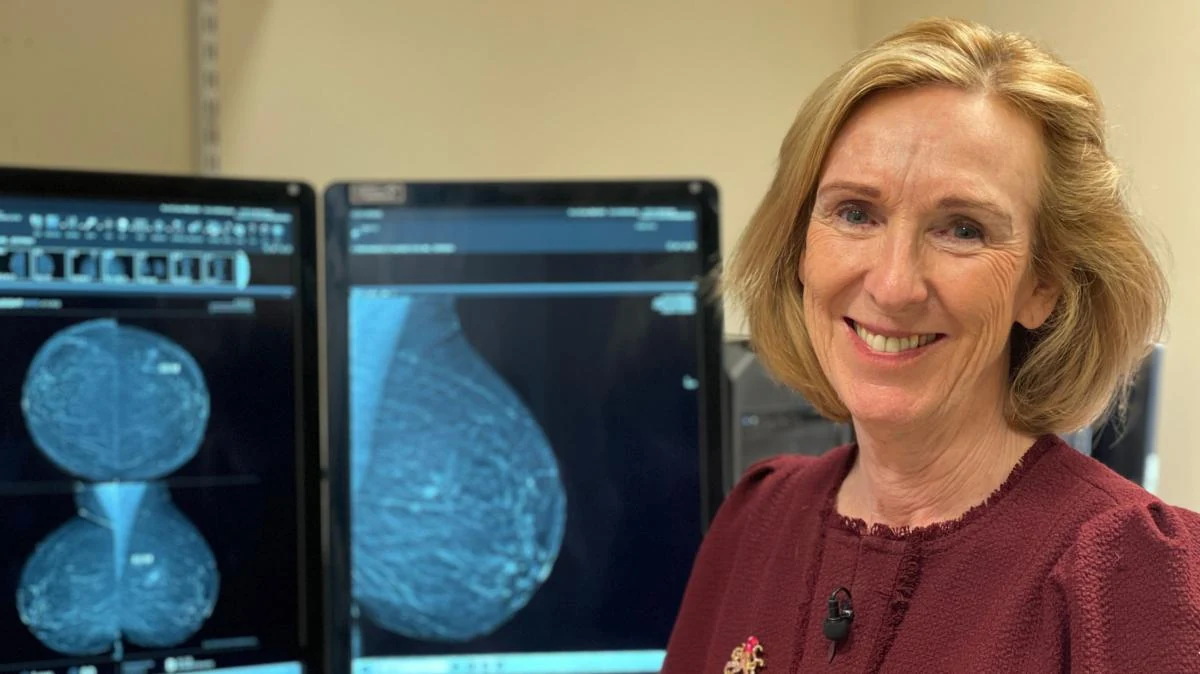
The report includes a scientist working for a mushroom-products company as well as a dietitian and an integrative oncologist. Keeping their roles visible matters. Commercial interest does not automatically invalidate a statement, but neither is a manufacturer's explanation the same as independent proof that a specific product improves a meaningful health outcome.
What “there is research” actually needs to mean
A laboratory experiment can identify a biological effect without proving that a product helps people when taken by mouth. A clinical study can test a specific extract without establishing the performance of a different brand, mixture or dose. NPR describes research into cognition as mixed and highlights substantial gaps in safety and effectiveness evidence.
A useful reading checklist is therefore specific: which species and preparation were tested, in what amount, in which participants, against which comparison, and for what outcome? A general claim that “mushrooms boost immunity” hides those distinctions. Changes in an immune marker are also not automatically the same as fewer illnesses or longer survival.
What the cancer research does and does not show
The National Cancer Institute patient summary discusses PSK, a purified compound associated with turkey tail. It describes studies in which PSK was added to standard cancer treatment, including research conducted in Japan. Some results suggest benefit in particular settings. That is a reason to investigate the compound and treatment context carefully, rather than dismiss all research.
It is not evidence that mushrooms alone cure cancer. Adding a specified extract to a treatment regimen is a different intervention from replacing that regimen with a supplement bought online. Patient group, cancer type, preparation and accompanying treatment all affect whether a result can be applied elsewhere.
Why the regulator and product category matter
The NCI summary states that the FDA has not approved turkey tail or PSK as a treatment for cancer or another medical condition in the United States. It also explains that dietary supplements are regulated differently from drugs. Readers should not interpret a supplement's availability for sale as proof that it has passed the same evidence pathway as an approved treatment.
The distinction is especially important when packaging makes a broad health promise while citing a study of a different preparation. A product name, mushroom image or traditional history of use is not enough to establish matching composition, dose or clinical results. The supporting research needs to be tied to the actual claim.
What this means for food and everyday nutrition
Eating mushrooms as food is not the same decision as taking a concentrated extract for a medical purpose. NPR discusses nutrients and fungal compounds, but the stronger commercial promises extend well beyond an ordinary food's place in a diet. A food's nutritional value does not establish that concentrated products deliver a separate therapeutic effect.
The dietitian interviewed by NPR points readers toward the basics of eating patterns before adding another promised solution. That is an argument about priorities, not a personalised diet prescription. Individual needs, allergies, medicines and treatment plans can change what is appropriate, particularly for someone already receiving medical care.
Questions worth taking to a clinician
If a supplement is being considered alongside cancer treatment or another prescribed medicine, the relevant question is about that exact product and care plan. Its ingredients, preparation and dose should be available to the treating professional. An attractive result in a selected research population does not answer every question about interactions, tolerability or effectiveness for another patient.
The most defensible takeaway from NPR and NCI is neither that all mushroom research is worthless nor that the category is a proven cure. Some compounds merit serious study; general consumer promises often run ahead of what a specific clinical result can support. This article reports evidence boundaries rather than offering a treatment recommendation.
Frequently asked questions
Is lion’s mane proven to improve memory?
No. NPR’s review describes mixed cognition research and gaps in robust clinical evidence. A biological mechanism or a small study is not proof that every product improves memory for every person.
Can a mushroom supplement replace prescribed cancer treatment?
The evidence reviewed here does not support doing that. Studies of an extract added to a treatment are not evidence for abandoning the treatment. Discuss a specific product with the clinician responsible for your care, using the NCI patient summary as a starting point for evidence questions.
Is a shop-bought turkey-tail supplement equivalent to PSK used in research?
You cannot assume that from the mushroom name. A research preparation, its dose and its treatment context may differ from a retail product. US National Cancer Institute and NPR describe specific compounds and studies; those findings cannot simply be transferred to every mixture bearing the same species name.
Do the cited studies show that mushrooms cure cancer?
No such conclusion is supported here. The NCI summary discusses particular extracts studied alongside standard treatments. It does not establish that mushrooms alone cure cancer, and it says turkey tail and PSK are not FDA-approved cancer treatments in the United States.
At a glance
| Issue | Verified position | Limit or next step |
|---|---|---|
| Cognition claims | Research described as mixed | Not proof for every product or person |
| Cancer studies | Some specific extracts studied with standard care | Not evidence for replacing treatment |
| US treatment status | Turkey tail and PSK not FDA-approved for cancer | Retail availability is not treatment approval |
| Product comparison | Species and formulations vary | Match actual dose, extract and study population |
Sources and editorial notes
This article compiles the linked reporting. Allegations, projections and research findings retain their original qualifications; this page does not represent independent field reporting or expert medical review.
- NPR (reporting)
- US National Cancer Institute (primary)
Published on 24 November 2026 after reviewing the linked sources. This is an independently worded editorial synthesis, not an original interview or field report. Earlier articles remain dated historical coverage. November 24, 2026: Revised the FAQs to prioritise reader impact and practical questions using the cited material. The original reporting date is unchanged.