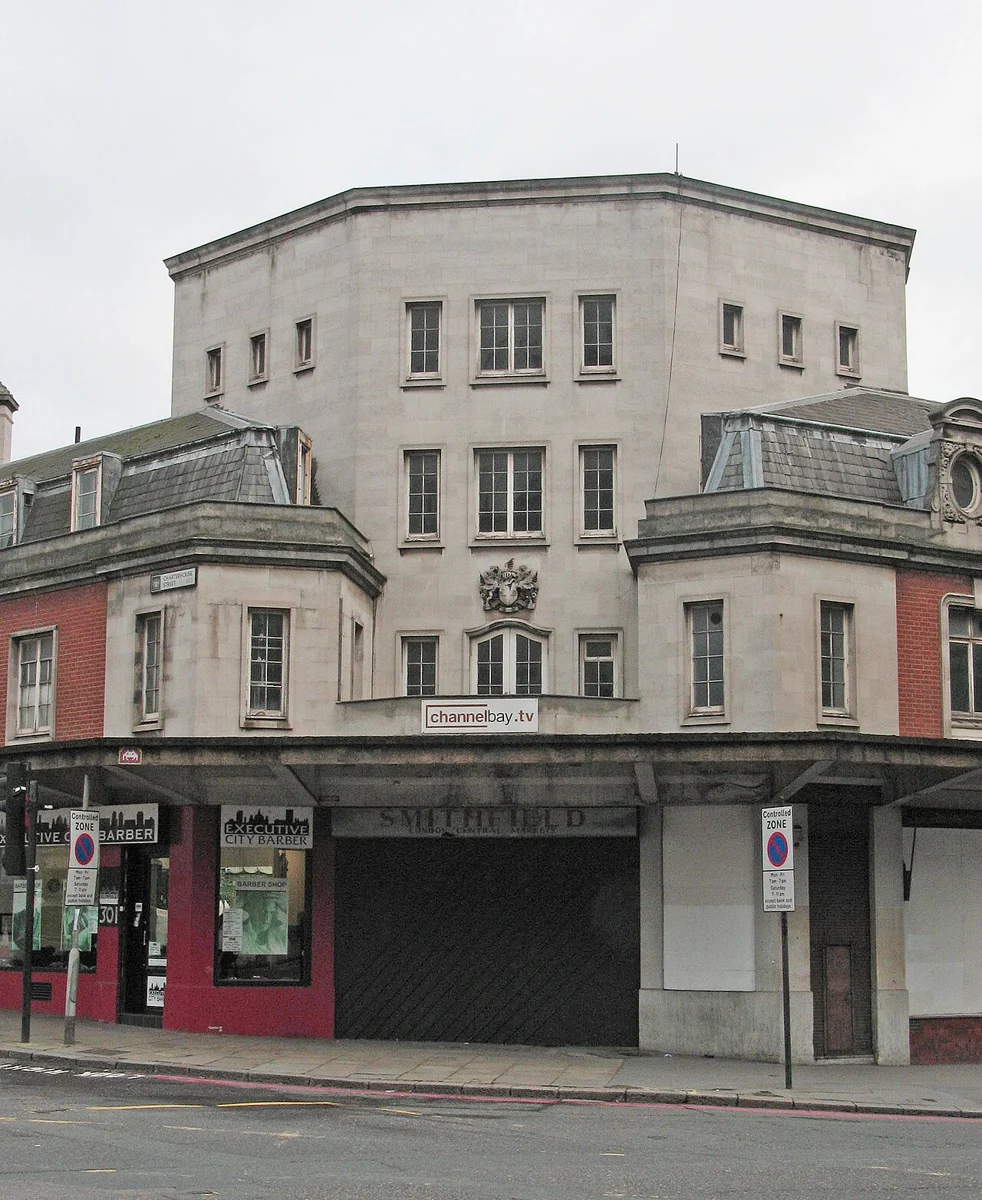
London Museum’s new Smithfield home opens to the public on November 28, 2026. General admission is free; advance reservation is strongly encouraged, especially during the initial weeks. Published hours extend to 23:00 on Fridays and Saturdays, but ticketed entry ends earlier. Galleries connect contemporary London with archaeology, everyday objects and infrastructure. The museum lists step-free entrances, while its Changing Places facility is still described as coming soon.
Key facts
The new location is General Market, West Smithfield, London EC1A 9AG.
Sunday–Thursday opening hours are 10:00–18:00, with last admission at 16:45.
Friday and Saturday ticketed late admission ends at 19:15; walk-ins may be available until 21:30.
The published festive closure runs December 24–26.
Free admission still benefits from a reservation
London Museum’s public opening at Smithfield is November 28, with general admission priced at zero. The official booking page welcomes walk-up visitors but recommends reserving in advance to secure entry, particularly during the first weeks. Free admission refers to the general museum visit. It should not be expanded into a claim that every future event, purchase or service inside the building is included.
South West Londoner’s November 27 report independently confirms the opening the following day and describes the relocation as a major cultural project. That report is a preview, not evidence that all opening-day operations have already run smoothly. For someone planning a trip, the useful sequence is to choose a date, check the live admission page and then check the arrival time attached to the booking. The institution’s published date range for its current admission listing is not a promise that reservations will always remain available. An optional donation during a free booking is also different from a compulsory ticket charge. The practical change is access to the new site, subject to its capacity rules.
Three time zones organise the visitor journey
The galleries use three named time frameworks rather than one uninterrupted chronological corridor. Real Time introduces present-day London through data and a covered entrance space. Our Time focuses on the city within living memory, while Past Time takes visitors below ground into much longer histories. These are the museum’s own interpretive labels, not separate admission categories. A visitor can use them to select a manageable route instead of assuming the entire collection must be covered in one attempt.
The gallery guide describes a chiming bell from the Whitechapel foundry, the Lord Mayor’s State Coach and familiar commercial signs among the opening encounters. Below ground, the former railway goods-depot setting becomes part of the experience rather than a neutral container. Compared with reading London’s history only through royal or monumental objects, this arrangement also gives space to work, transport and daily routines. It is an institutional account of what is displayed, not our first-hand judgment of how clearly every story is told. The distinction matters because the opening has already generated differing critical reactions.
Archaeology sits beside the machinery of everyday life
The collection connects precious objects with ordinary systems that keep a city working, rather than treating them as unrelated attractions. The Cheapside Hoard appears within a gallery about goldsmiths, craftsmanship and the human circumstances of gemstones. A reconstructed Roman shop draws on local archaeological evidence, with domestic space beside commerce. That reconstruction represents an evidence-based interpretation; it is not an intact ancient shop transported unchanged into the museum.
City Machine examines railways, river infrastructure and sewers, including a preserved piece of the Whitechapel Fatberg. A fatberg is a solid sewer blockage formed from accumulated waste, not an archaeological treasure in the conventional sense. Its inclusion links household behaviour to infrastructure, while a viewing window allows visitors to see trains passing outside. Other displays cover the Great Fire and the campaigns for women’s voting rights using objects and personal records. The range offers useful choices for families and returning visitors. It does not mean every historical topic receives equal treatment or that one museum can provide an exhaustive account of London’s population and past.
Late opening does not mean late ticketed admission
Friday and Saturday closing time is 23:00, but the last bookable late entry is 19:15. The museum says walk-ins may be admitted until 21:30, subject to capacity. On Sunday through Thursday, its published opening period is 10:00–18:00, with last entry at 16:45. Those distinctions matter for visitors arriving after work: the hour on a closing-time banner does not tell you when you can still enter.
The admission listing also records a December 24–26 festive closure. Evening food, drink and cultural programming help explain the extended timetable, but individual activities can have their own dates. A related programme advertised for December should not be presented as something guaranteed on opening night. Check the specific event before relying on it as the reason for a late journey. Our wider culture coverage follows how institutions combine collections with public gathering spaces; here the immediate reader benefit is a longer potential visit window, with an earlier admission cutoff that deserves equal prominence.
Access and luggage checks should come before travel
Smithfield’s main entrances are step-free, while one specialist accessible facility remains pending. The museum identifies entrances on West Smithfield and Charterhouse Street, automatic doors and lifts. It lists accessible toilets and baby-changing provision on both floors. Its Changing Places facility, designed to offer equipment beyond a standard accessible toilet, is described as available soon. Visitors who depend on that facility should seek a current confirmation instead of treating an intended provision as operational.
The planning page lists Farringdon and Barbican within approximately six minutes on foot, with St Paul’s farther away. These are published walking estimates rather than individual accessibility assessments. Large suitcases are not allowed; lockers have stated dimensions and charges, so cabin-sized luggage still needs a size check. The museum is cashless, which affects paid storage and purchases even though entry is free. These details make the difference between a nominally open building and a workable visit. A traveller should check the current access page, luggage rule and chosen entrance together, particularly if changing transport lines or arriving with assistance requirements.
A new building is not a settled critical verdict
The opening establishes a new public venue, not agreement about its curatorial success. South West Londoner reports sharply different responses from critics, alongside the £437 million project cost and its long development. Its account also describes the ambition to create a social meeting place with dining and evening activity. Those are reasons the museum is newsworthy, but a project price and promotional description cannot substitute for evaluating the actual galleries.
For readers, it helps to separate three questions. The first is operational: can you enter, at what time and under what conditions? The official pages answer that most directly. The second concerns the displayed material: which periods, objects and voices are included? The gallery guide provides a useful starting map. The third is interpretive: how convincing, inclusive or engaging is the result? That requires critical assessment and visitor experience rather than a booking listing. This desk compilation answers the practical questions without inventing a personal visit. The November 28 opening creates the opportunity to form that judgment, while the evidence about access and the evidence about quality remain different.
Frequently asked questions
Can I pay for a locker with cash?
No. London Museum says it accepts card and contactless payments rather than cash. The visit page lists paid locker sizes, and large suitcases are not admitted. Check your bag against the published dimensions before travelling. Visit information.
Sources and editorial notes
This briefing synthesises the linked primary and reporting sources below. Allegations, forecasts and early research retain their stated scope and qualifications.
- South West Londoner (reporting)
- London Museum: general admission (primary)
- London Museum: planning a visit (primary)
- London Museum: free galleries (primary)
November 28, 2026: Original English desk synthesis of opened sources, guided by reader questions recorded before drafting. Source publication dates are preserved separately. This compilation does not claim original interviews, field reporting or credentialed specialist review.