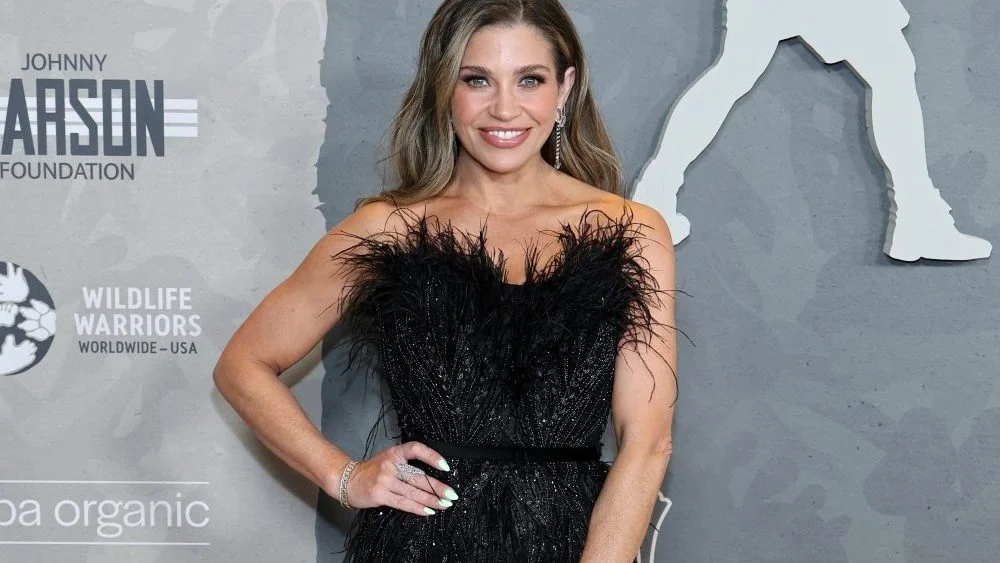
Danielle Fishel describes her experience on Girl Meets World in a new book excerpt published by Variety. Returning 14 years after Boy Meets World ended, she says she wanted to bring adult professionalism and clearer personal boundaries to the Disney Channel production. Variety
Key facts
The contract placed them on equal financial terms, and she says she hoped the two adult performers could provide a professional example on a programme centred on young actors. Variety
Fishel recalls playful physical behaviour among the teenage cast of the earlier series, including tackling one another. Variety
The excerpt says Fishel felt colleagues were dismissive when she raised notes and that she was told during the second season that creator Michael Jacobs had called her crazy. Variety
Fishel describes a different return
Danielle Fishel says returning to television on Girl Meets World meant revisiting a familiar fictional family while bringing a different set of adult expectations to work. In an excerpt published by Variety, she describes the fourteen-year interval after Boy Meets World ended as a period in which her own boundaries and sense of professionalism changed. Her account appears in Book Meets World, written with Rider Strong, Will Friedle and Variety's Emily Longeretta.
Equal pay at the outset
Fishel and Ben Savage entered the spin-off with an arrangement guaranteeing the same salary. The contract placed them on equal financial terms, and she says she hoped the two adult performers could provide a professional example on a programme centred on young actors. Fishel appeared in all seventy-two episodes. The excerpt does not disclose a salary amount, and the existence of equal pay should not be mistaken for evidence that every aspect of their experience on the production was identical.
Physical familiarity no longer felt the same
Fishel recalls playful physical behaviour among the teenage cast of the earlier series, including tackling one another. By the time she returned, she was thirty-two and married, and says she no longer wanted the workplace to operate on that basis. She asked colleagues not to hug her. The request, as she describes it, concerned her own comfort and professional limits, rather than an instruction from a jealous spouse.
Her account of being labelled difficult
The excerpt says Fishel felt colleagues were dismissive when she raised notes and that she was told during the second season that creator Michael Jacobs had called her crazy. Those statements are her recollections, including information she says other people passed on to her. They should be attributed that way. The report does not turn a memoir account into an independently established finding about every person or conversation on the set.
Boundaries and story discussions overlapped
Fishel also describes challenging storylines she did not consider suitable for the Disney Channel audience. She says some of those conversations led to changes. That part of her account places her concerns within the making of the programme as well as its social atmosphere: she wanted a voice in the stories being told and a clearer limit on physical familiarity around the work. The excerpt does not suggest that every disagreement had the same subject or outcome.
The book adds another perspective
A recollection published years after a production can illuminate how an actor understood the experience without supplying a complete record of the workplace. Fishel's contribution is specific about the contrast between the teenager she had been and the adult colleague she wanted to become. The equal-pay arrangement, her request about contact and her discussions of scripts are separate pieces of that story. Together they explain why revisiting an old role did not simply mean returning to an unchanged relationship with the job.
Sources and editorial notes
This article compiles the linked reporting. Allegations, projections and research findings retain their original qualifications; this page does not represent independent field reporting or expert medical review.
- Variety (reporting)
November 17, 2026: Replaced repeated summary and FAQ templates, added source attribution and image description, and clarified the distinction between source publication and site edits. This editorial update is not an independent fact-check certification.