Key facts
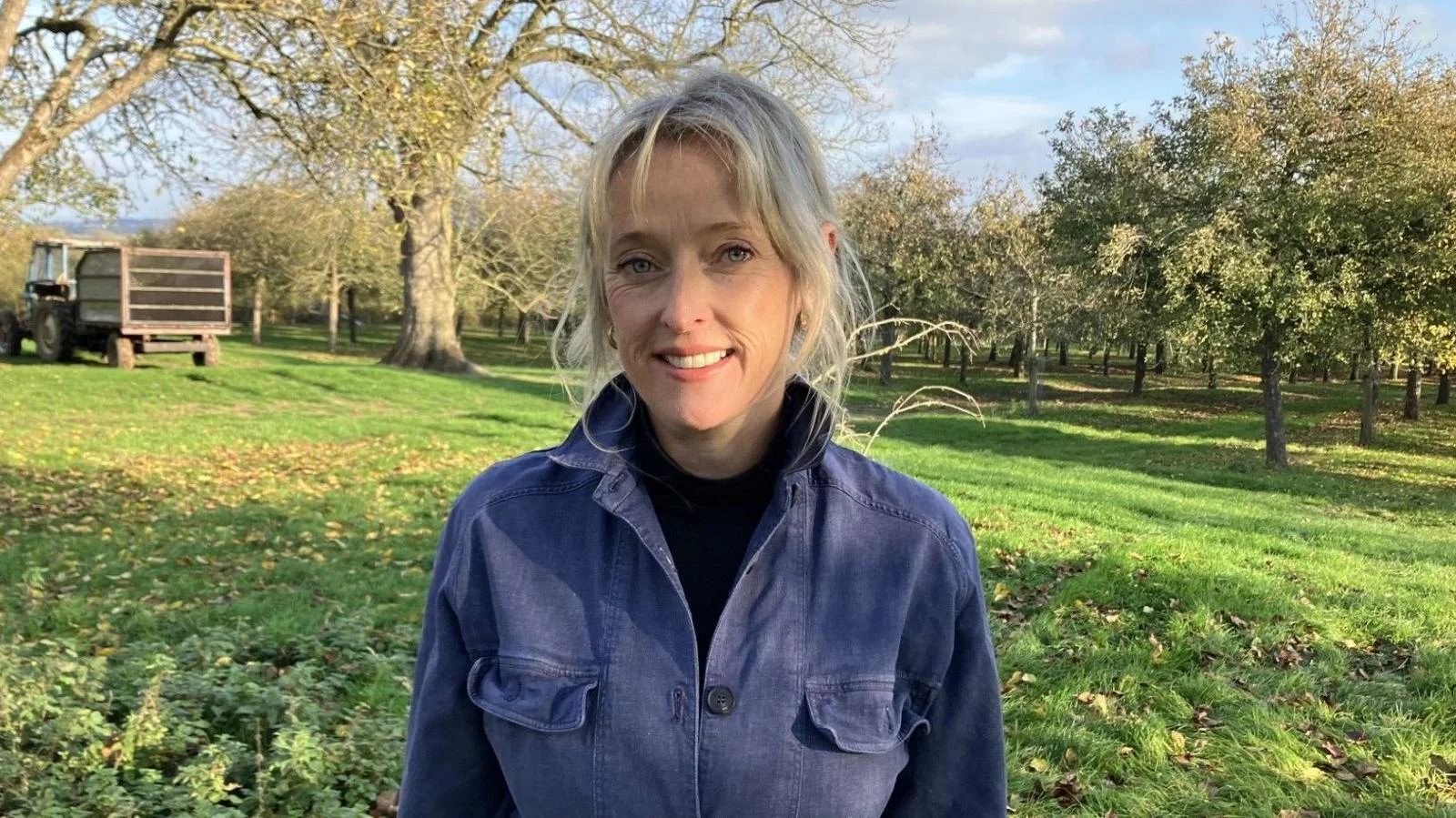
Matilda Temperley, a director of Burrow Hill farm near Martock, said abandoning the farm's own apples would be a profound loss. BBC News
The government has increased the value of Small Producer Relief, which lowers alcohol duty for eligible smaller and medium-sized producers. BBC News
Wealth Club analyst Isaac Stell highlighted higher employer National Insurance contributions and increases in the minimum wage alongside other pressures. BBC News
Somerset producers question the future of local apples
Cider makers in Somerset say rising tax and operating costs are putting pressure on businesses built around British orchards. BBC News reports concerns about alcohol duty, energy, packaging and employment costs, alongside differing views about the sector's prospects. Producers agree that costs have risen, but their responses range from warnings about imported ingredients to continued investment and confidence. The story is therefore about uneven pressures across an industry, rather than evidence that every cider business is contracting.
A traditional orchard faces a changing cost calculation
Matilda Temperley, a director of Burrow Hill farm near Martock, said abandoning the farm's own apples would be a profound loss. The site has grown apples for approximately 300 years. She argued that its traditional 6% cider attracts a higher duty rate than lower-strength mass-produced alternatives. Temperley forecast a 61% tax increase on the farm's standard 50cl bottles by the following February. That is her account of this product's tax burden, rather than a uniform increase applying to all cider sold in Britain. Reporting context: BBC News
Relief helps without removing every pressure
The government has increased the value of Small Producer Relief, which lowers alcohol duty for eligible smaller and medium-sized producers. Temperley welcomed the change but said it was outweighed by other increases. Matt Gillett of Tricky's Cider in Low Ham also expects to qualify, while describing duty as a substantial monthly expense. A targeted relief can therefore be meaningful without offsetting every cost that a producer faces. Eligibility, product strength and the mix of other expenses all affect the eventual benefit.
The route from producer costs to pub prices
Wealth Club analyst Isaac Stell highlighted higher employer National Insurance contributions and increases in the minimum wage alongside other pressures. He expects some additional costs to pass through to pubs, restaurants and clubs, and ultimately to customers. That process creates a difficult choice for producers: retaining costs reduces margins, while increasing prices can test already constrained household budgets. The report does not quantify the final retail increase, and different businesses will negotiate different supply arrangements rather than all applying the same price adjustment.
Growth and local sourcing remain possible
Matthew Showering said the family drinks business in Shepton Mallet had expanded from around 80 employees to roughly 350 over a decade. He described recent trading as positive and preferred less government intervention. Gillett, meanwhile, said he would not use imported pulp or concentrate to reduce costs, emphasising local fruit and traditional Somerset orchards. These accounts complicate the prediction that rising costs inevitably mean replacing British apples: individual producers are making different strategic choices depending on their scale, products and commitments. Reporting context: BBC News
The government's argument and the remaining question
The Treasury says cider continues to receive lower duty rates than other alcoholic drinks. It also points to support for pubs and bars and the continued availability of draught relief. Producers' concern is whether those measures are enough to preserve a commercially viable relationship between orchards and cider making. The evidence establishes a live dispute over affordability and incentives. It does not demonstrate that a sector-wide move away from British apples has already happened, but it explains why producers see ingredient sourcing as part of the financial debate.
Frequently asked questions
Could rising cider costs put British apple orchards at risk?
Some producers fear that rising duty, energy, packaging and employment costs could make locally grown apples uneconomic compared with imported ingredients. Others in the report remain committed to local fruit; the article does not establish that every orchard will stop supplying cider makers. BBC News
Will Small Producer Relief cover cider makers’ rising costs?
No. Eligible producers receive reduced alcohol duty, and some welcome the increased relief. Those interviewed also face other rising costs, so the relief does not necessarily offset their overall increase in expenses. BBC News
Sources and editorial notes
This article compiles the linked reporting. Allegations, projections and research findings retain their original qualifications; this page does not represent independent field reporting or expert medical review.
- BBC News (reporting)
November 17, 2026: Replaced repeated summary and FAQ templates, added source attribution and image description, and clarified the distinction between source publication and site edits. This editorial update is not an independent fact-check certification. November 23, 2026: Added source-linked reader questions and answers based on the reporting already compiled in this article. These questions are editorial selections, not measured search queries. November 24, 2026: Revised the FAQs to prioritise reader impact and practical questions using the cited material. The original reporting date is unchanged.